THE ADVENTURE COLLECTIVE® · Independent discovery and booking for outdoor travel

Two intensive days carry you from Istanbul’s bustle to Cappadocia’s lunar valleys—domestic flights, a cave-hotel night, sunrise views and subterranean passageways. This itinerary is for travelers who want maximum exposure to the region’s geology, history and craft in a short window.
Two intensive days carry you from Istanbul’s bustle to Cappadocia’s lunar valleys—domestic flights, a cave-hotel night, sunrise views and subterranean passageways. This itinerary is for travelers who want maximum exposure to the region’s geology, history and craft in a short window.
The minivan eases out of Istanbul’s dawn traffic and the city’s hum is replaced by the soft rattle of airplane wheels. Two hours later you step into Cappadocia’s thin, high air—dry, sunlit and startlingly quiet. The landscape opens like a faded map: mushroomed rock pillars, valleys cut in pale tuff, and the low silhouette of Uchisar Castle engraved on the skyline. This is a compact itinerary designed to maximize those surreal hours: a domestic flight, a night in a cave hotel, morning light on the fairy chimneys and the subterranean ingenuity of an underground city.
Verified experiences and guided adventures in the surrounding area.
Operated by Guide of Ephesus · Göreme, Nevşehir
The minivan eases out of Istanbul’s dawn traffic and the city’s hum is replaced by the soft rattle of airplane wheels. Two hours later you step into Cappadocia’s thin, high air—dry, sunlit and startlingly quiet. The landscape opens like a faded map: mushroomed rock pillars, valleys cut in pale tuff, and the low silhouette of Uchisar Castle engraved on the skyline. This is a compact itinerary designed to maximize those surreal hours: a domestic flight, a night in a cave hotel, morning light on the fairy chimneys and the subterranean ingenuity of an underground city.
Cappadocia’s surface tells a long geological story. Volcanic ash compacted into tuff millions of years ago, then sculpted by wind and rain into the “fairy chimneys” that now attract travelers and photographers. Humans carved homes, chapels and entire hideaways from that soft stone—most famously in Göreme and Kaymakli—turning geology into architecture and refuge. By the 4th–11th centuries, Byzantine-era Christians painted frescoes in rock-cut churches; those pigments survive in damp, protected recesses.
Culturally, Cappadocia sits at a crossroads: Anatolian, Hellenic and Persian influences layered with Ottoman-era villages. Avanos, on the Kızılırmak (Red River), retains a working pottery tradition: spinning a lump of wet clay there still feels like entering a continuity of craft that predates modern tourism.
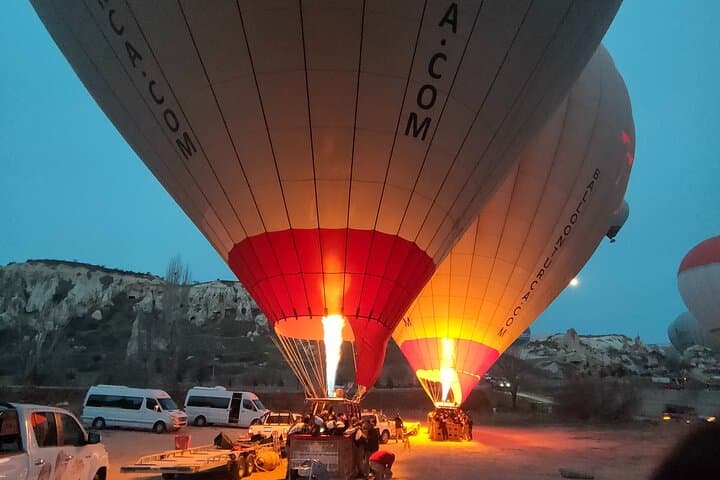
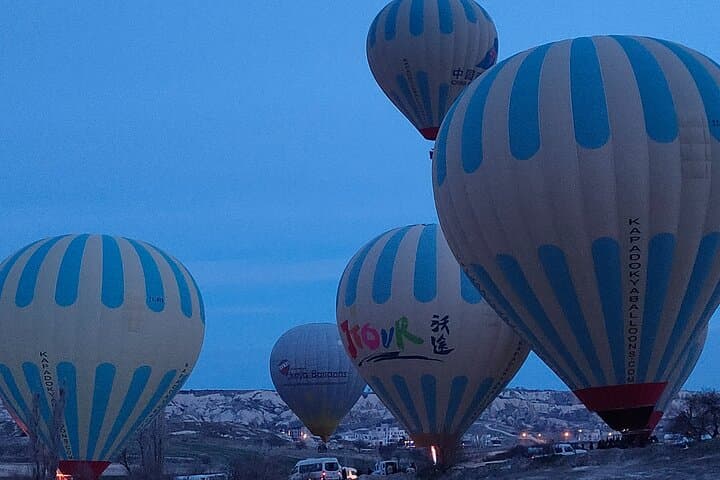
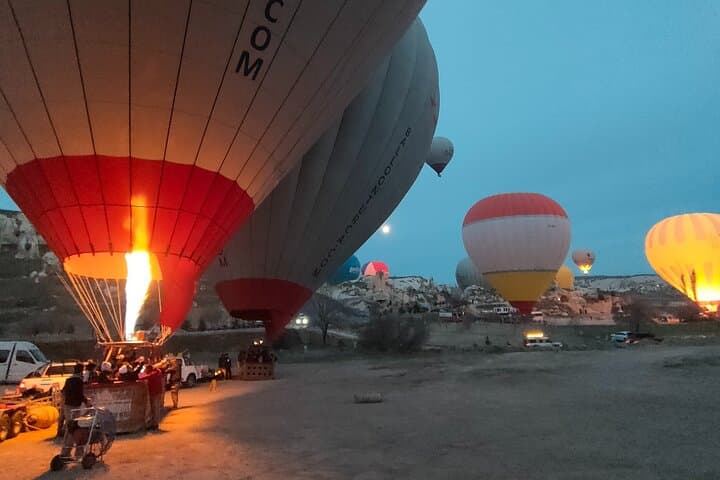
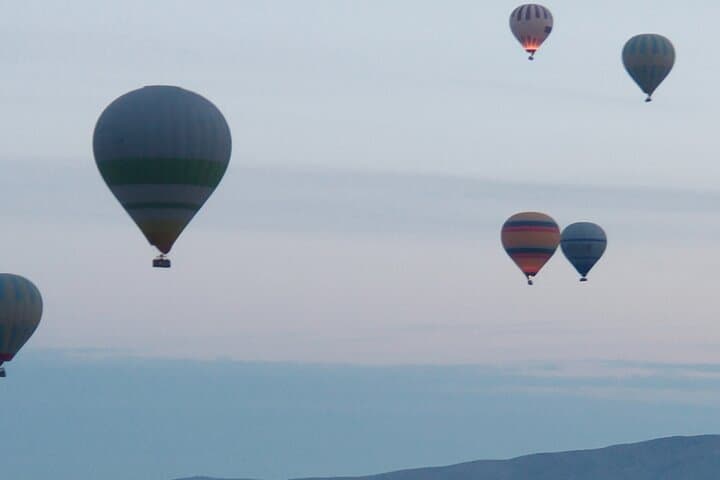
Practical rhythm matters: start early. Sunrise is the theatrical time—hot-air balloons speckle the sky and the low sun carves the chimneys into dramatic relief. The tour includes domestic flights (booked in advance) and hotel pickup; luggage logistics are handled, but travel light for short hikes. Terrain is uneven—packed soil, staircases inside the underground city and loose scree on valley ridgelines—so sturdy shoes and a daypack make the move from viewpoint to viewpoint easier.
Expect guided stops at Göreme Open-Air Museum, Pasabag (the mushroom chimneys), and a pottery demo and lunch in Avanos, then an overnight in a cave-style hotel where carved rooms retain natural coolness. Day two takes you beneath the ground into Kaymakli’s layered tunnels and up for a panoram a outside Uchisar Castle before the return flight to Istanbul.
Tips: aim for pre-dawn wakeups if you want the balloon silhouette photos; pack a compact tripod, sun protection and a warm layer for chilly mornings. Respect fragile frescoes—no flash inside the churches—and keep to marked trails; erosion and visitor pressure are real concerns. Two days here is brisk but revealing: geology, human craft and a landscape that still insists on surprising you.
moderate.
2 days.
Moderate fitness; comfortable walking for several hours daily and negotiating stairs or uneven ground.
Yes—domestic return flights between Istanbul and Cappadocia are included in the tour package.
Balloons are seen daily at sunrise but flights are weather-dependent; your guide will advise on conditions and viewing spots.
Expect several short walks of 30–90 minutes through valleys plus stairs and narrow passages at sites like Kaymakli—moderate fitness recommended.
Some entrance fees may be covered, but confirm specifics with your operator—UNESCO sites often charge separate admissions.
The tour handles transfers and hotel pickups; travel light for valley walks and keep valuables with you.
Turkey uses the Turkish lira; credit cards are widely accepted but small cash is useful for market purchases and tips—tipping your guide and driver is customary.
Cappadocia’s rock-cut churches and underground cities were expanded by early Christian communities as refuges from conflicts and preserve frescoes from the Byzantine era.
Soft tuff erodes easily—stay on marked trails, support local artisans and avoid touching frescoes; responsible tourism helps protect both sites and villages.
Guide of Ephesus operates guided outdoor trips and adventures with an emphasis on safety, stewardship, and memorable experiences.
The minivan eases out of Istanbul’s dawn traffic and the city’s hum is replaced by the soft rattle of airplane wheels. Two hours later you step into Cappadocia’s thin, high air—dry, sunlit and startlingly quiet. The landscape opens like a faded map: mushroomed rock pillars, valleys cut in pale tuff, and the low silhouette of Uchisar Castle engraved on the skyline. This is a compact itinerary designed to maximize those surreal hours: a domestic flight, a night in a cave hotel, morning light on the fairy chimneys and the subterranean ingenuity of an underground city.
The minivan eases out of Istanbul’s dawn traffic and the city’s hum is replaced by the soft rattle of airplane wheels. Two hours later you step into Cappadocia’s thin, high air—dry, sunlit and startlingly quiet. The landscape opens like a faded map: mushroomed rock pillars, valleys cut in pale tuff, and the low silhouette of Uchisar Castle engraved on the skyline. This is a compact itinerary designed to maximize those surreal hours: a domestic flight, a night in a cave hotel, morning light on the fairy chimneys and the subterranean ingenuity of an underground city.
Cappadocia’s surface tells a long geological story. Volcanic ash compacted into tuff millions of years ago, then sculpted by wind and rain into the “fairy chimneys” that now attract travelers and photographers. Humans carved homes, chapels and entire hideaways from that soft stone—most famously in Göreme and Kaymakli—turning geology into architecture and refuge. By the 4th–11th centuries, Byzantine-era Christians painted frescoes in rock-cut churches; those pigments survive in damp, protected recesses.
Culturally, Cappadocia sits at a crossroads: Anatolian, Hellenic and Persian influences layered with Ottoman-era villages. Avanos, on the Kızılırmak (Red River), retains a working pottery tradition: spinning a lump of wet clay there still feels like entering a continuity of craft that predates modern tourism.
Practical rhythm matters: start early. Sunrise is the theatrical time—hot-air balloons speckle the sky and the low sun carves the chimneys into dramatic relief. The tour includes domestic flights (booked in advance) and hotel pickup; luggage logistics are handled, but travel light for short hikes. Terrain is uneven—packed soil, staircases inside the underground city and loose scree on valley ridgelines—so sturdy shoes and a daypack make the move from viewpoint to viewpoint easier.
Expect guided stops at Göreme Open-Air Museum, Pasabag (the mushroom chimneys), and a pottery demo and lunch in Avanos, then an overnight in a cave-style hotel where carved rooms retain natural coolness. Day two takes you beneath the ground into Kaymakli’s layered tunnels and up for a panoram a outside Uchisar Castle before the return flight to Istanbul.
Tips: aim for pre-dawn wakeups if you want the balloon silhouette photos; pack a compact tripod, sun protection and a warm layer for chilly mornings. Respect fragile frescoes—no flash inside the churches—and keep to marked trails; erosion and visitor pressure are real concerns. Two days here is brisk but revealing: geology, human craft and a landscape that still insists on surprising you.