THE ADVENTURE COLLECTIVE® · Independent discovery and booking for outdoor travel

See Cape Town’s essentials—Table Mountain, Robben Island, Boulders Penguin Colony and the Stellenbosch wine route—over two full days with private transport and guided stops. This compact itinerary pairs powerful history with dramatic coastal scenery and vineyard tastings.
See Cape Town’s essentials—Table Mountain, Robben Island, Boulders Penguin Colony and the Stellenbosch wine route—over two full days with private transport and guided stops. This compact itinerary pairs powerful history with dramatic coastal scenery and vineyard tastings.
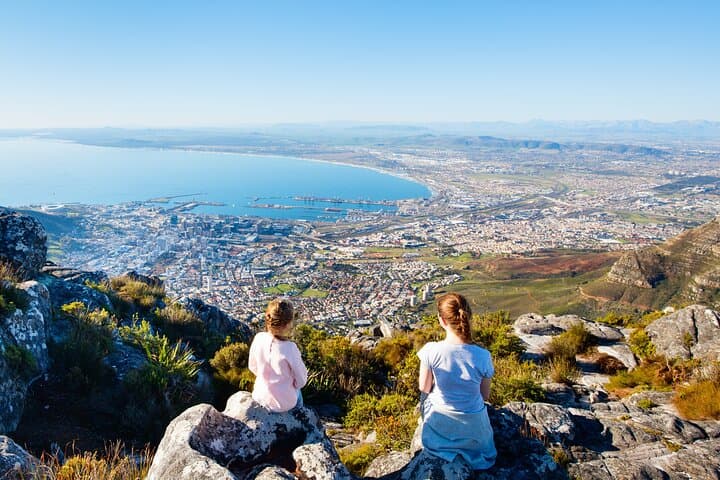
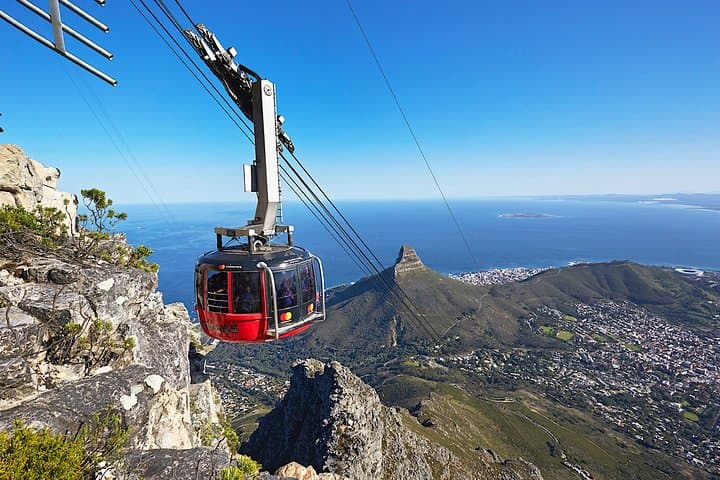
Dawn at the V&A Waterfront is an exercise in contrasts: cranes and yachts, gulls peeling above the quay, and Table Mountain’s flat crown still rimed with early light. By midmorning the cable car hums, the ferry horn to Robben Island calls, and a private minivan slides out of the city to chase coastlines that curl like an old map. Over two days this private itinerary stitches the essential edges of Cape Town—city, sea, mountain and vineyard—into a compact, travelable story.
Verified experiences and guided adventures in the surrounding area.
Operated by Beyond Africa Safaris (Pty)Ltd · Cape Town, Western Cape
Dawn at the V&A Waterfront is an exercise in contrasts: cranes and yachts, gulls peeling above the quay, and Table Mountain’s flat crown still rimed with early light. By midmorning the cable car hums, the ferry horn to Robben Island calls, and a private minivan slides out of the city to chase coastlines that curl like an old map. Over two days this private itinerary stitches the essential edges of Cape Town—city, sea, mountain and vineyard—into a compact, travelable story.
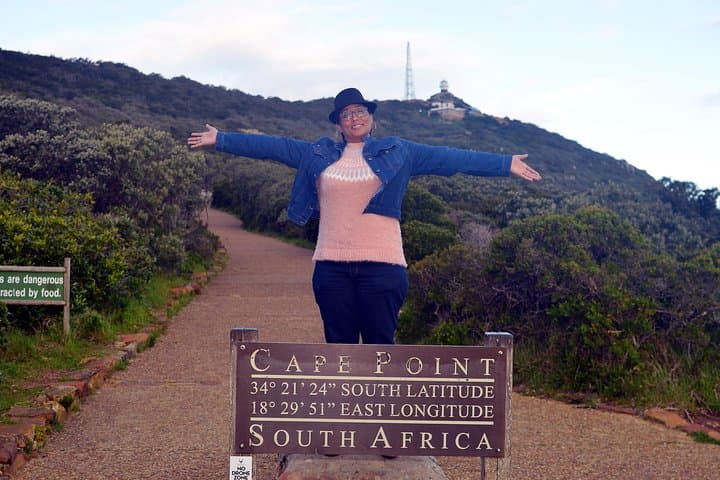
Geology and history sit cheek-by-jowl here. Table Mountain’s Table Mountain Sandstone is harder than most of the range below, which gives the landmark its steep, sheer faces and panoramic platform. Down the peninsula, the Cape of Good Hope marks where the cold Benguela and warm Agulhas currents tussle, a maritime crossroads that defined early exploration (Dias and others left carved crosses nearby). Robben Island, visible as a low silhouette from the V&A, carries the deeper human weight: a prison site where Nelson Mandela and other political prisoners were held, now a museum that reframes recent national history.
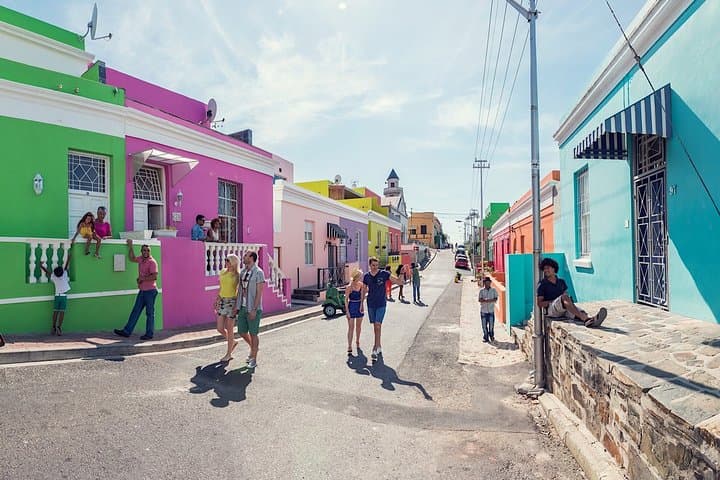
Culture surfaces between the stops. Bo-Kaap’s painted terraces and Malay kitchens speak to Cape Town’s mixed heritage; Simon’s Town offers naval lore — and the improbable monument to Just Nuisance, a Great Dane with a local legend. Back inland, Stellenbosch and Delaire Graff represent the Cape Winelands’ colonial-era vineyards transformed into modern tasting rooms, where centuries of soil and climate show up in pinotage and chenin blanc.
For practical travelers: the tour is long but low-tech. You’ll be picked up from your accommodation, driven in private transport, and guided at Table Mountain and through the winery; the Robben Island ferry includes an island guide and former inmate narrators. Robben Island requires passport details for boarding, and the ferry is weather-dependent—coastal winds can cancel sailings. Table Mountain’s cable car also runs according to wind conditions; a clear morning visit minimizes cancellations and maximizes views.
Comfortable walking shoes, sun protection, and layers are essential—the mountain and the sea present different microclimates within one day. Bring a small daypack with water and a refill bottle; the wine visits include tastings but expect to pay for optional funicular rides at Cape Point and some lunches.
If you want breadth with minimal planning, this private two-day loop is efficient: it hands you the city’s highlights with local context and room for moments—an unexpected seal colony in Hout Bay, a quiet lane in Stellenbosch—so you leave with more than photos: a sense of why this coastline keeps drawing people back.
moderate.
2 days (two full days, ~8–10 hours/day).
Moderate stamina for full days of walking, standing and short, easy hikes; minimal technical fitness required.
Yes — Robben Island ferry operators require full name and passport number for ticketing and boarding; provide these at booking.
Both are weather-dependent; operators will attempt to reschedule but policies vary—confirm cancellation and refund rules at booking.
The tour lists wheelchair-accessible transportation and some accessible surfaces, but accessibility on Robben Island and certain viewpoints can be limited; contact the operator with specifics.
Some lunches and select wine tastings are included (Delheim lunch and certain tastings), but many dining options and optional funicular rides are at your own expense.
Yes — the tour accommodates families and can provide infant seats; note Robben Island’s ferry and some walking components may be tiring for young children.
Tipping is customary in South Africa for good service; 10–15% for meals and R50–R150 per day for guides/drivers is a typical guideline.
Robben Island served as a political prison for apartheid-era fighters; guided tours often include a former inmate and Mandela’s cell, connecting the site’s human history to modern South Africa.
The Cape’s coastal habitats (fynbos and penguin nesting beaches) are fragile; stay on designated paths, avoid feeding wildlife and support local conservation fees that fund habitat protection.
Beyond Africa Safaris (Pty)Ltd operates guided outdoor trips and adventures with an emphasis on safety, stewardship, and memorable experiences.
Dawn at the V&A Waterfront is an exercise in contrasts: cranes and yachts, gulls peeling above the quay, and Table Mountain’s flat crown still rimed with early light. By midmorning the cable car hums, the ferry horn to Robben Island calls, and a private minivan slides out of the city to chase coastlines that curl like an old map. Over two days this private itinerary stitches the essential edges of Cape Town—city, sea, mountain and vineyard—into a compact, travelable story.
Dawn at the V&A Waterfront is an exercise in contrasts: cranes and yachts, gulls peeling above the quay, and Table Mountain’s flat crown still rimed with early light. By midmorning the cable car hums, the ferry horn to Robben Island calls, and a private minivan slides out of the city to chase coastlines that curl like an old map. Over two days this private itinerary stitches the essential edges of Cape Town—city, sea, mountain and vineyard—into a compact, travelable story.
Geology and history sit cheek-by-jowl here. Table Mountain’s Table Mountain Sandstone is harder than most of the range below, which gives the landmark its steep, sheer faces and panoramic platform. Down the peninsula, the Cape of Good Hope marks where the cold Benguela and warm Agulhas currents tussle, a maritime crossroads that defined early exploration (Dias and others left carved crosses nearby). Robben Island, visible as a low silhouette from the V&A, carries the deeper human weight: a prison site where Nelson Mandela and other political prisoners were held, now a museum that reframes recent national history.
Culture surfaces between the stops. Bo-Kaap’s painted terraces and Malay kitchens speak to Cape Town’s mixed heritage; Simon’s Town offers naval lore — and the improbable monument to Just Nuisance, a Great Dane with a local legend. Back inland, Stellenbosch and Delaire Graff represent the Cape Winelands’ colonial-era vineyards transformed into modern tasting rooms, where centuries of soil and climate show up in pinotage and chenin blanc.
For practical travelers: the tour is long but low-tech. You’ll be picked up from your accommodation, driven in private transport, and guided at Table Mountain and through the winery; the Robben Island ferry includes an island guide and former inmate narrators. Robben Island requires passport details for boarding, and the ferry is weather-dependent—coastal winds can cancel sailings. Table Mountain’s cable car also runs according to wind conditions; a clear morning visit minimizes cancellations and maximizes views.
Comfortable walking shoes, sun protection, and layers are essential—the mountain and the sea present different microclimates within one day. Bring a small daypack with water and a refill bottle; the wine visits include tastings but expect to pay for optional funicular rides at Cape Point and some lunches.
If you want breadth with minimal planning, this private two-day loop is efficient: it hands you the city’s highlights with local context and room for moments—an unexpected seal colony in Hout Bay, a quiet lane in Stellenbosch—so you leave with more than photos: a sense of why this coastline keeps drawing people back.