THE ADVENTURE COLLECTIVE® · Independent discovery and booking for outdoor travel

Two busy days that pack Table Mountain’s summit views, a ferry to Robben Island’s historic prison, the coastal sweep of Chapman’s Peak and Cape Point, plus a close encounter with African penguins at Boulders Beach. Ideal for first-time visitors who want nature, history, and easy logistics.
Two busy days that pack Table Mountain’s summit views, a ferry to Robben Island’s historic prison, the coastal sweep of Chapman’s Peak and Cape Point, plus a close encounter with African penguins at Boulders Beach. Ideal for first-time visitors who want nature, history, and easy logistics.
Morning light strips across the Atlantic as the cable car climbs Table Mountain’s sheer sandstone tabletop—sudden, clean views open onto the city, harbor, and the long blue spine of the peninsula.
Verified experiences and guided adventures in the surrounding area.
Operated by Kule Tours & Travel · Cape Town, Western Cape
Morning light strips across the Atlantic as the cable car climbs Table Mountain’s sheer sandstone tabletop—sudden, clean views open onto the city, harbor, and the long blue spine of the peninsula.
This two-day loop pairs geological drama with heavy history: Table Mountain (1,086 m) is a sandstone plateau carved by millennia of wind and rain and supports over 8,000 plant species; Robben Island’s wind-battered shores hold the cells and stories of South Africa’s political prisoners. The next day traces the coastal spine—Chapman’s Peak Drive, a sculpted 9-km sea cliff road—down to Boulders Beach where about 2,500 African penguin pairs cluster on sheltered inlets. Cape Point closes the route at towering cliffs where strong currents batter headlands and push seabirds and seals into view.
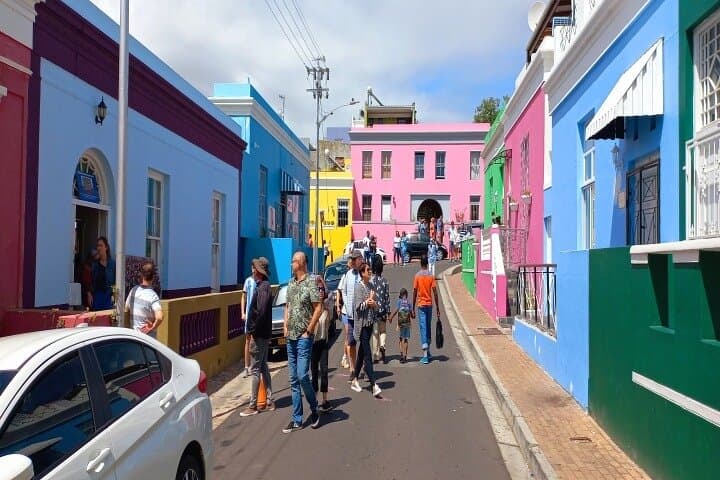
Expect a mix of short walks, ferry crossings (Robben Island ferries typically take 30–45 minutes from the V&A Waterfront), and scenic drives. Cultural stops include Bo-Kaap’s colorful quarter and museum insights about colonial and maritime history. Practicalities matter: wind and sun change fast on the plateau; coastal cliffs can be exposed; guided visits to Robben Island are scheduled and limited.
Bring layered windproof clothing, comfortable walking shoes, and time for queueing at key attractions despite skip-the-line cable car access. Morning departures minimize afternoon sea swell for the ferry. The itinerary is compact but designed for travelers who want an efficient, ground-level immersion in Cape Town’s natural architecture and layered history.
moderate.
2 days (approx. 48 hours).
Light-to-moderate fitness; mostly short walks, standing, and short stair/cliff access—no technical fitness required
Ferries from the V&A Waterfront typically take 30–45 minutes each way; crossings are weather-dependent and can be cancelled in rough seas.
No special fitness is required—most activity is short walking and standing; participants with severe mobility, cardiac, or spinal issues should consult the operator.
Boardwalks provide close views but keep distance; touching or feeding penguins is prohibited to protect the colony’s health.
Cable car tickets are pre-booked as part of the itinerary, allowing access to the summit and short walking routes at the top.
Robben Island functioned as a political prison during Apartheid and as a maritime landmark for centuries—its layered history is part museum, part living memory.
The penguin colony and Cape Peninsula reserves are active conservation areas; visitors should avoid plastic and stay on paths to reduce disturbance and erosion.
Kule Tours & Travel operates guided outdoor trips and adventures with an emphasis on safety, stewardship, and memorable experiences.
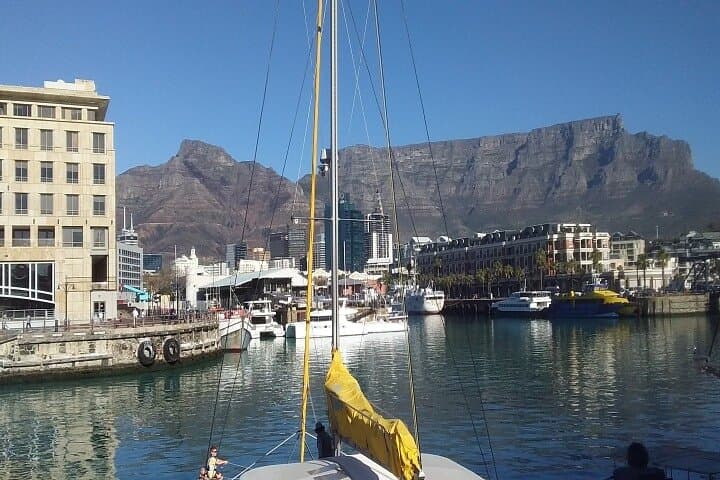
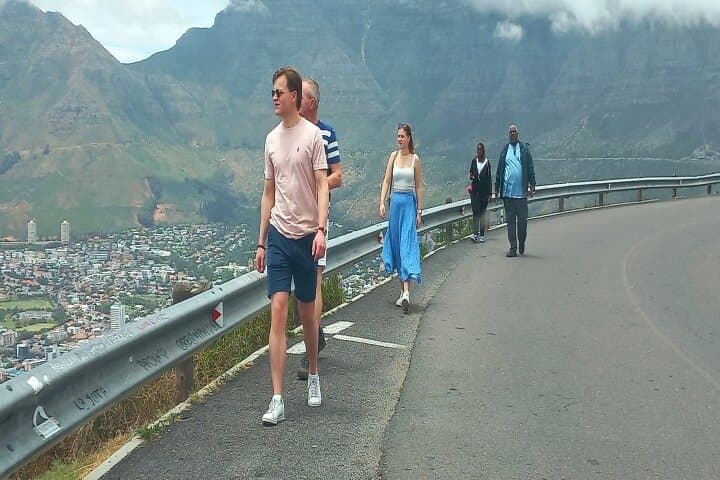
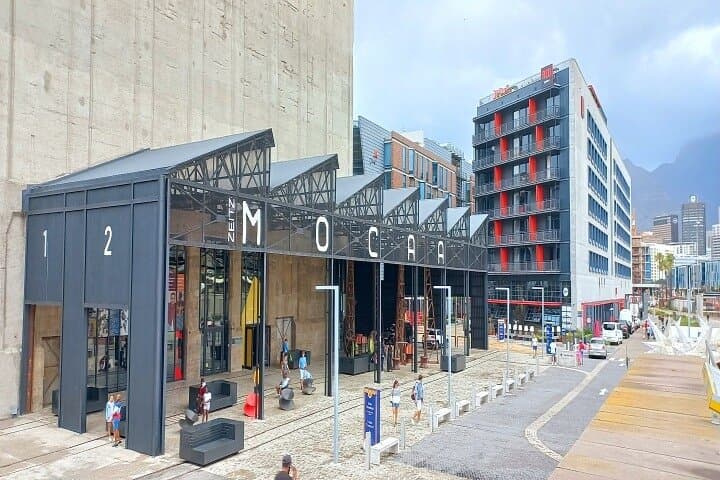
Morning light strips across the Atlantic as the cable car climbs Table Mountain’s sheer sandstone tabletop—sudden, clean views open onto the city, harbor, and the long blue spine of the peninsula.
Morning light strips across the Atlantic as the cable car climbs Table Mountain’s sheer sandstone tabletop—sudden, clean views open onto the city, harbor, and the long blue spine of the peninsula.
This two-day loop pairs geological drama with heavy history: Table Mountain (1,086 m) is a sandstone plateau carved by millennia of wind and rain and supports over 8,000 plant species; Robben Island’s wind-battered shores hold the cells and stories of South Africa’s political prisoners. The next day traces the coastal spine—Chapman’s Peak Drive, a sculpted 9-km sea cliff road—down to Boulders Beach where about 2,500 African penguin pairs cluster on sheltered inlets. Cape Point closes the route at towering cliffs where strong currents batter headlands and push seabirds and seals into view.
Expect a mix of short walks, ferry crossings (Robben Island ferries typically take 30–45 minutes from the V&A Waterfront), and scenic drives. Cultural stops include Bo-Kaap’s colorful quarter and museum insights about colonial and maritime history. Practicalities matter: wind and sun change fast on the plateau; coastal cliffs can be exposed; guided visits to Robben Island are scheduled and limited.
Bring layered windproof clothing, comfortable walking shoes, and time for queueing at key attractions despite skip-the-line cable car access. Morning departures minimize afternoon sea swell for the ferry. The itinerary is compact but designed for travelers who want an efficient, ground-level immersion in Cape Town’s natural architecture and layered history.