THE ADVENTURE COLLECTIVE® · Independent discovery and booking for outdoor travel

In 48 hours this private tour stitches together Cape Town’s dramatic extremes: wind-swept Cape Point and the panoramic heights of Table Mountain, then the cultivated calm of Stellenbosch’s wineries. It’s a flexible, small-group way to sample coastline, wildlife, history and South African wine.
In 48 hours this private tour stitches together Cape Town’s dramatic extremes: wind-swept Cape Point and the panoramic heights of Table Mountain, then the cultivated calm of Stellenbosch’s wineries. It’s a flexible, small-group way to sample coastline, wildlife, history and South African wine.
On the first morning the group slips out of Cape Town before the city fully wakes—coastal light already stitching silver across the Atlantic. The van hums south along the Sea Point promenade, past Clifton’s white-sanded coves where early surfers paddle into the swell. By midday you’re skirting the rock ribs of Chapman’s Peak Drive; the road leans into the ocean and the mountains seem to dare the sea to do better.
Verified experiences and guided adventures in the surrounding area.
Operated by Raw African Safaris · Cape Town, Western Cape
On the first morning the group slips out of Cape Town before the city fully wakes—coastal light already stitching silver across the Atlantic. The van hums south along the Sea Point promenade, past Clifton’s white-sanded coves where early surfers paddle into the swell. By midday you’re skirting the rock ribs of Chapman’s Peak Drive; the road leans into the ocean and the mountains seem to dare the sea to do better.
Day one is Cape Point: a funicular that lifts you toward the lighthouse, a short stair climb that rewards you with raw, wind-cut panoramas. The peninsula is old stone folded by millennia of geology—sandstone plateaus and iron-rich soils that feed the low, aromatic fynbos. History presses here too: shipwrecks and colonial forts mark a coastline that once terrified sailors. Walk from Cape Point to the Cape of Good Hope and feel the land push back at the ocean’s persistence.
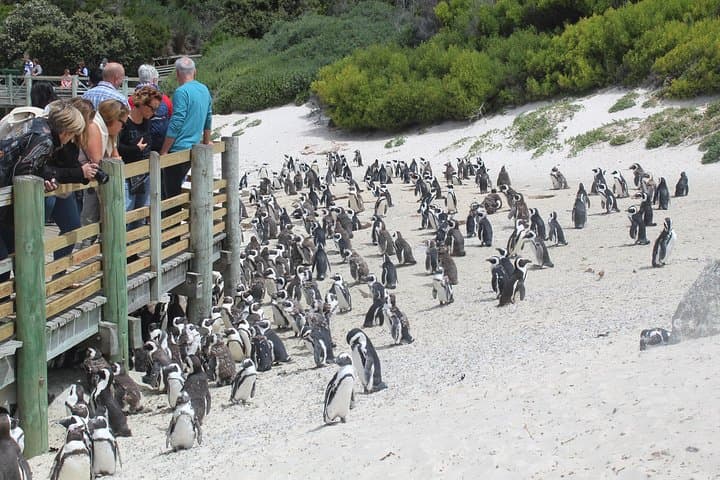
You’ll thread through fishing villages and handsome harbors—Simon's Town and Boulders Beach, where an intimate colony of African penguins shuffles on the boardwalk like obliging hosts. The guide folds in local anecdotes: naval history, the story of Robben Island across the water, and Cape Town’s inconsistent weather, which often dictates whether Table Mountain or Cape Point comes first.
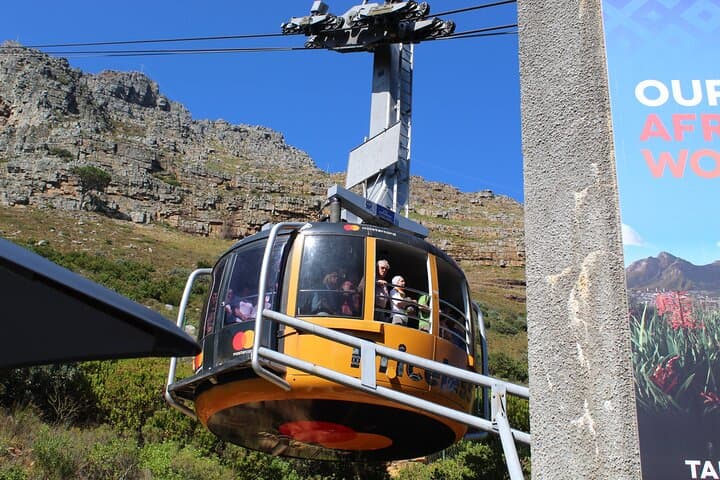
Day two ascends Table Mountain in a rotating cable car for near-360° views of the city, the stadium, and Robben Island. The afternoon moves inland to Stellenbosch, where oak-lined roads give way to vineyards splayed against the Helderberg and Stellenbosch mountains. Here the tour slows: tastings with a cellar master, conversations about varietals—and practical lessons on pairing and decanting. The contrast is part of the design: raw coastline one day, cultivated terroir the next.
Practical edge: this private two-day option is flexible—guides adjust timing for wind, whale season, or crowds. Expect light walking (a short hike at Cape Point and some steps on Table Mountain), comfortable transport, and wine-tasting etiquette. Bring layered clothing, a windproof shell, and closed shoes for rocky ground. If you prefer avoiding crowds, schedule the cable car earlier or choose off-peak tastings in Stellenbosch.
This itinerary lets you experience geology, wildlife, and wine without racing—two days that connect the natural drama of the Cape Peninsula to the cultivated calm of South Africa’s oldest wine region.
moderate.
2 days.
Suitable for travelers in average shape—short hikes, stairs and some uneven terrain; no technical fitness required.
Yes—hotel pickup within central Cape Town (typically a 5 km radius) is included; specific pickup locations are confirmed after booking.
Absolutely—guides adjust the itinerary for weather (wind on Table Mountain) and group preference to maximize views and tasting windows.
The tour lists some admissions as included (e.g., select sites) but check your booking page for cable car and Cape Point reserve fees—sometimes these are additional.
Yes—suitable for most ages; infants must sit on laps but infant seats are available; some walking and stairs are involved.
Yes—Stellenbosch visits typically include several tastings and the option to buy bottles directly from the cellar.
The operator may swap days (Table Mountain vs Cape Point) or refund per the cancellation policy if they cancel within 24 hours due to weather.
The Cape Peninsula has layered history—from indigenous Khoisan land to Dutch East India Company supply stations; Stellenbosch is among South Africa’s oldest wine regions, established in the late 17th century.
Fynbos is a globally rare vegetation type—stay on trails to protect fragile plants; local groups work to remove invasive species and protect the African penguin colonies.
Raw African Safaris operates guided outdoor trips and adventures with an emphasis on safety, stewardship, and memorable experiences.
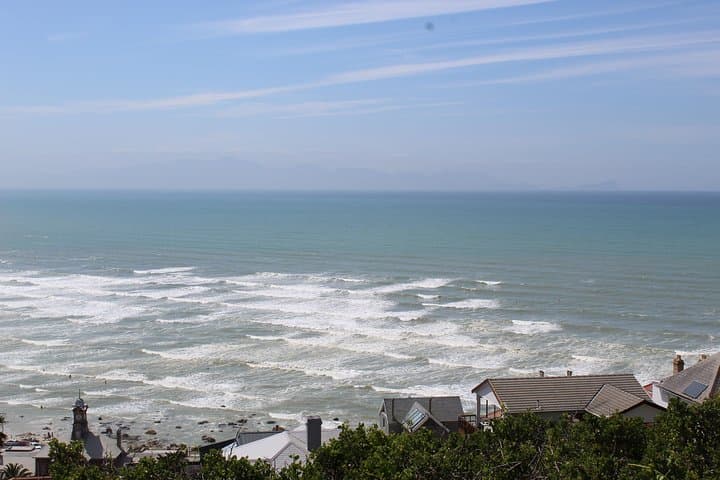
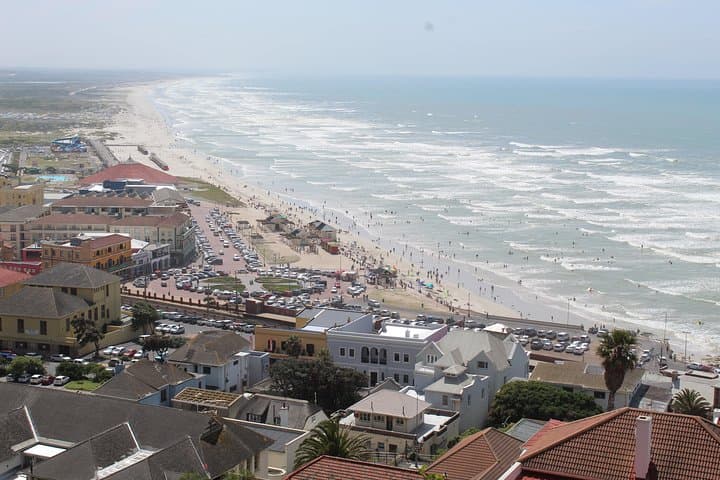
On the first morning the group slips out of Cape Town before the city fully wakes—coastal light already stitching silver across the Atlantic. The van hums south along the Sea Point promenade, past Clifton’s white-sanded coves where early surfers paddle into the swell. By midday you’re skirting the rock ribs of Chapman’s Peak Drive; the road leans into the ocean and the mountains seem to dare the sea to do better.
On the first morning the group slips out of Cape Town before the city fully wakes—coastal light already stitching silver across the Atlantic. The van hums south along the Sea Point promenade, past Clifton’s white-sanded coves where early surfers paddle into the swell. By midday you’re skirting the rock ribs of Chapman’s Peak Drive; the road leans into the ocean and the mountains seem to dare the sea to do better.
Day one is Cape Point: a funicular that lifts you toward the lighthouse, a short stair climb that rewards you with raw, wind-cut panoramas. The peninsula is old stone folded by millennia of geology—sandstone plateaus and iron-rich soils that feed the low, aromatic fynbos. History presses here too: shipwrecks and colonial forts mark a coastline that once terrified sailors. Walk from Cape Point to the Cape of Good Hope and feel the land push back at the ocean’s persistence.
You’ll thread through fishing villages and handsome harbors—Simon's Town and Boulders Beach, where an intimate colony of African penguins shuffles on the boardwalk like obliging hosts. The guide folds in local anecdotes: naval history, the story of Robben Island across the water, and Cape Town’s inconsistent weather, which often dictates whether Table Mountain or Cape Point comes first.
Day two ascends Table Mountain in a rotating cable car for near-360° views of the city, the stadium, and Robben Island. The afternoon moves inland to Stellenbosch, where oak-lined roads give way to vineyards splayed against the Helderberg and Stellenbosch mountains. Here the tour slows: tastings with a cellar master, conversations about varietals—and practical lessons on pairing and decanting. The contrast is part of the design: raw coastline one day, cultivated terroir the next.
Practical edge: this private two-day option is flexible—guides adjust timing for wind, whale season, or crowds. Expect light walking (a short hike at Cape Point and some steps on Table Mountain), comfortable transport, and wine-tasting etiquette. Bring layered clothing, a windproof shell, and closed shoes for rocky ground. If you prefer avoiding crowds, schedule the cable car earlier or choose off-peak tastings in Stellenbosch.
This itinerary lets you experience geology, wildlife, and wine without racing—two days that connect the natural drama of the Cape Peninsula to the cultivated calm of South Africa’s oldest wine region.