THE ADVENTURE COLLECTIVE® · Independent discovery and booking for outdoor travel

Paddle inflatable canoes through sheltered Tsowa channels, camp on riverbanks, and watch wildlife come to the water. This two-day, two-night trip from Victoria Falls mixes easy paddling with simple backcountry camping and local river culture.
Paddle inflatable canoes through sheltered Tsowa channels, camp on riverbanks, and watch wildlife come to the water. This two-day, two-night trip from Victoria Falls mixes easy paddling with simple backcountry camping and local river culture.
Dawn breaks over the broad, slow sweep of the Zambezi and the camp wakes to tea, biscuits and the smell of frying eggs. After a simple breakfast the group sets off—an hour’s drive to a quiet launch point, a short safety talk, and then the inflatable canoes push away from a reed-lined shore into narrow Tsowa channels that thread through riverine forest. The current teases and the water pushes you onward; birds vocalize from the mahogany and fig trees while hippos breathe against distant sandbanks.
Verified experiences and guided adventures in the surrounding area.
Operated by Victoria Falls Canoeing Company · Victoria Falls, Matabeleland North
Dawn breaks over the broad, slow sweep of the Zambezi and the camp wakes to tea, biscuits and the smell of frying eggs. After a simple breakfast the group sets off—an hour’s drive to a quiet launch point, a short safety talk, and then the inflatable canoes push away from a reed-lined shore into narrow Tsowa channels that thread through riverine forest. The current teases and the water pushes you onward; birds vocalize from the mahogany and fig trees while hippos breathe against distant sandbanks.
This stretch of river sits downstream of Victoria Falls and carries layers of history: river routes used by local communities for trade and by wildlife for seasonal movement. Geology here is defined by older basalt and sandstone outcrops that steer the Zambezi into braided channels; these channels create shallow lagoons and sandbars that change with the seasons. Culturally, the area is part of a landscape where rivers shape livelihoods—fishing, small-scale farming and safari camps.
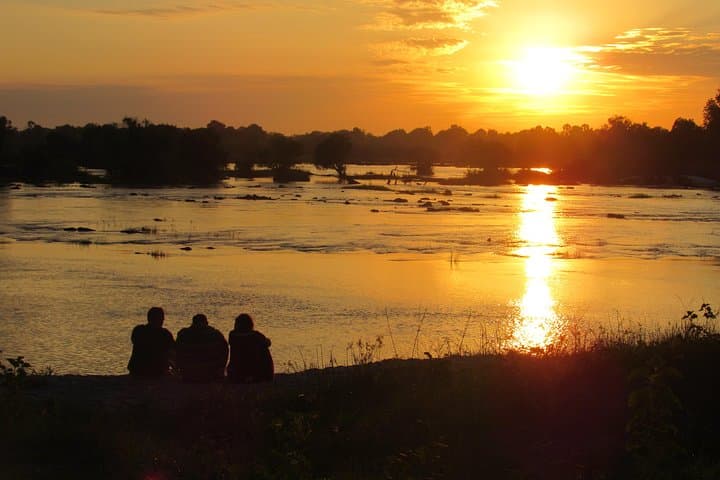
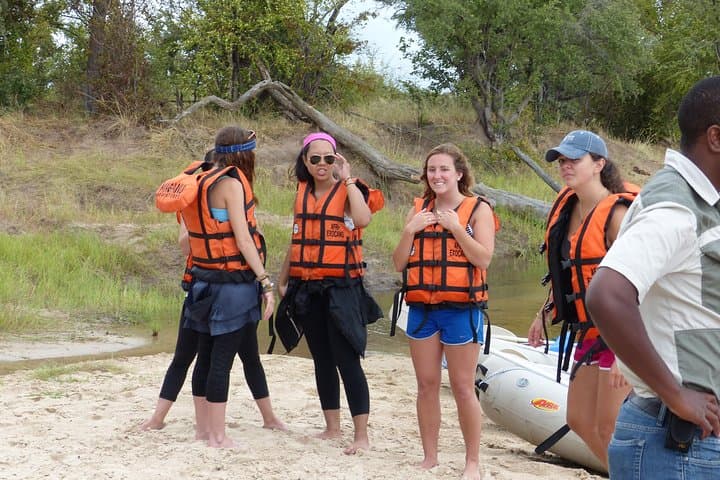
Practical guidance: pack a dry bag, sun protection and sturdy sandals for short wades. Expect light to moderate paddling—staff provide instruction—and plan a siesta during peak heat. Camps arrive around 16:00 for sundowner drinks, a warm bucket shower hoisted from a tree and a communal meal. Wildlife sightings can include waterbuck, buffalo, hippo, elephant and crocodile; keep a respectful distance and follow guide instructions.
This trip balances slow river travel with simple backcountry camping: steady paddling in the morning, relaxed picnics midday, and quiet evenings under open sky—ideal for travelers who want close wildlife encounters without technical skills.
easy.
2 days (approx. 48 hours).
Suitable for most fitness levels; requires short bursts of paddling and basic mobility for boarding and shore movements.
No prior experience is required—guides give a safety talk and paddling demonstration before launch.
No—wildlife is naturally occurring; commonly seen species include waterbuck, buffalo, hippo and elephant, while predators are rare.
Basic camping for a two-night trip is typically provided (tents, sleeping mats); confirm specific inclusions at booking.
Meals are included; inform the operator of dietary needs during booking so they can accommodate where possible.
The Zambezi’s channels have long supported riverine communities and seasonal wildlife movements; boats and canoes have been key transport for generations.
Respect for riverbanks and wildlife is essential—avoid littering, minimize campfire impact, and follow local guides’ rules to protect riparian habitats.
Victoria Falls Canoeing Company operates guided outdoor trips and adventures with an emphasis on safety, stewardship, and memorable experiences.
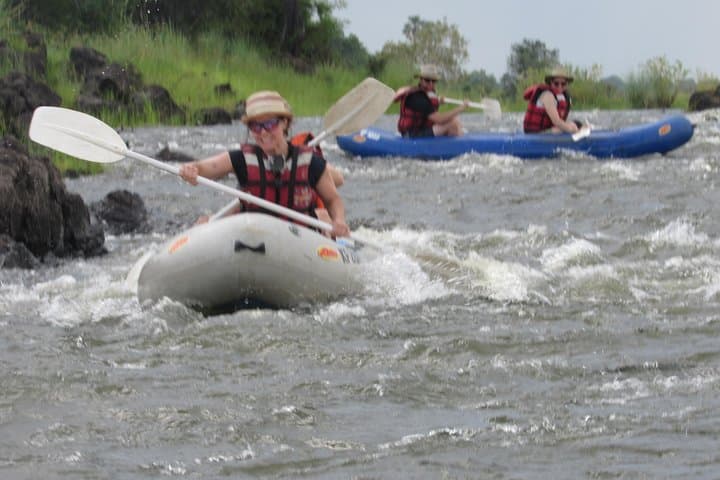
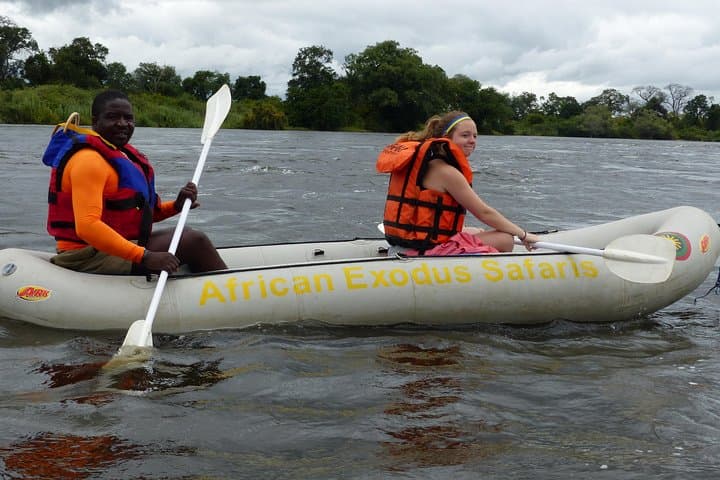
Dawn breaks over the broad, slow sweep of the Zambezi and the camp wakes to tea, biscuits and the smell of frying eggs. After a simple breakfast the group sets off—an hour’s drive to a quiet launch point, a short safety talk, and then the inflatable canoes push away from a reed-lined shore into narrow Tsowa channels that thread through riverine forest. The current teases and the water pushes you onward; birds vocalize from the mahogany and fig trees while hippos breathe against distant sandbanks.
Dawn breaks over the broad, slow sweep of the Zambezi and the camp wakes to tea, biscuits and the smell of frying eggs. After a simple breakfast the group sets off—an hour’s drive to a quiet launch point, a short safety talk, and then the inflatable canoes push away from a reed-lined shore into narrow Tsowa channels that thread through riverine forest. The current teases and the water pushes you onward; birds vocalize from the mahogany and fig trees while hippos breathe against distant sandbanks.
This stretch of river sits downstream of Victoria Falls and carries layers of history: river routes used by local communities for trade and by wildlife for seasonal movement. Geology here is defined by older basalt and sandstone outcrops that steer the Zambezi into braided channels; these channels create shallow lagoons and sandbars that change with the seasons. Culturally, the area is part of a landscape where rivers shape livelihoods—fishing, small-scale farming and safari camps.
Practical guidance: pack a dry bag, sun protection and sturdy sandals for short wades. Expect light to moderate paddling—staff provide instruction—and plan a siesta during peak heat. Camps arrive around 16:00 for sundowner drinks, a warm bucket shower hoisted from a tree and a communal meal. Wildlife sightings can include waterbuck, buffalo, hippo, elephant and crocodile; keep a respectful distance and follow guide instructions.
This trip balances slow river travel with simple backcountry camping: steady paddling in the morning, relaxed picnics midday, and quiet evenings under open sky—ideal for travelers who want close wildlife encounters without technical skills.