THE ADVENTURE COLLECTIVE® · Independent discovery and booking for outdoor travel

Combine Cairo’s monumental pyramids with the desert lakes and waterfalls of Wadi El Rayan on a compact two-day tour. Expect drives of 1–2 hours, guided archaeological visits, and desert time for sandboarding and fossil-rich valleys.
Combine Cairo’s monumental pyramids with the desert lakes and waterfalls of Wadi El Rayan on a compact two-day tour. Expect drives of 1–2 hours, guided archaeological visits, and desert time for sandboarding and fossil-rich valleys.
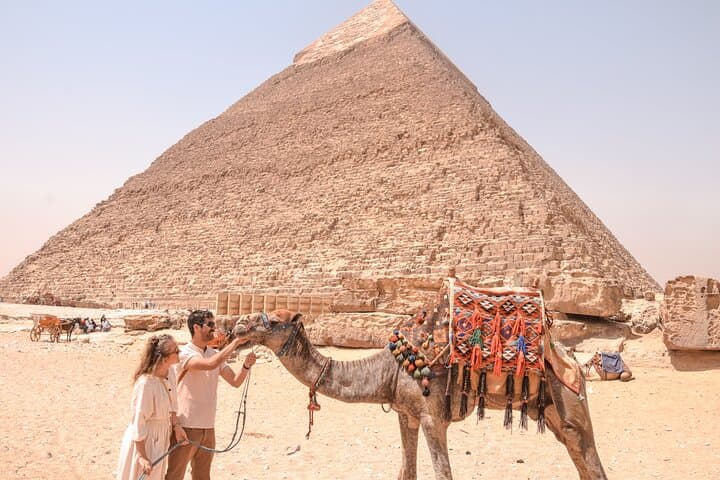
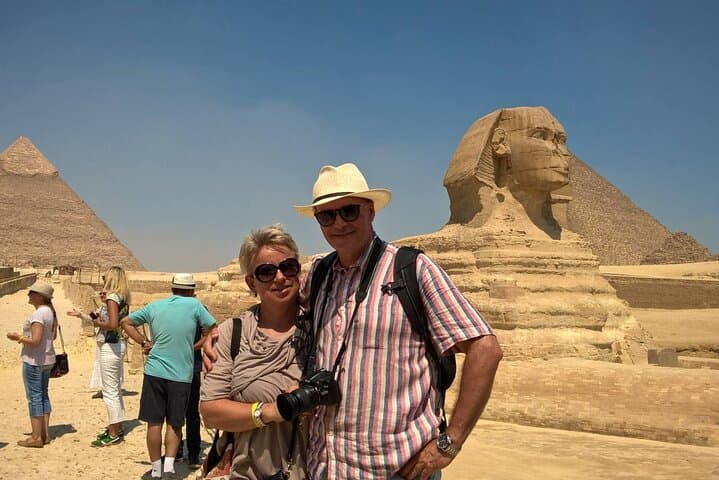
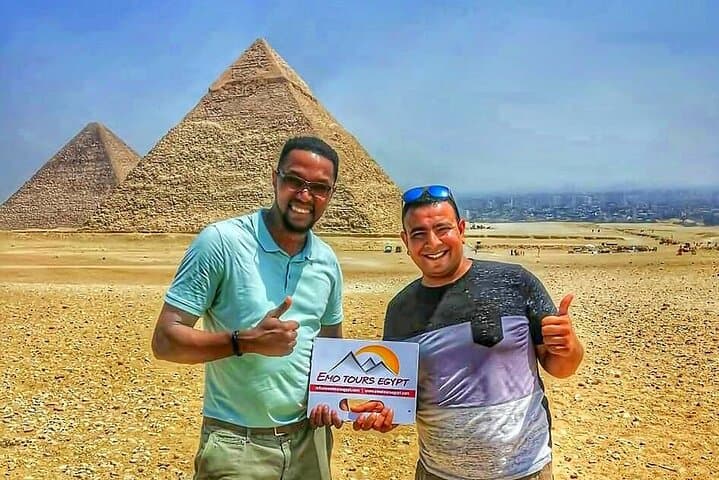
Morning light spills over the Giza Plateau and the limestone faces of the Great Pyramids stand like a measured challenge—ancient geometry against a modern city skyline. On this two-day circuit you move from the urban pulse of Cairo to the quiet, wind-carved features of the Fayoum depression: salt lakes, desert escarpments and the cascade known as Wadi El Rayan Waterfalls.
Verified experiences and guided adventures in the surrounding area.
Operated by Book My Egypt Tours · Cairo, Cairo Governorate
Morning light spills over the Giza Plateau and the limestone faces of the Great Pyramids stand like a measured challenge—ancient geometry against a modern city skyline. On this two-day circuit you move from the urban pulse of Cairo to the quiet, wind-carved features of the Fayoum depression: salt lakes, desert escarpments and the cascade known as Wadi El Rayan Waterfalls.
Day one visits the iconic triptych—Khufu, Khafre and Menkaure—plus the Valley Temple and the Step Pyramid at Saqqara, sites that chart Egypt’s funerary architecture and the move from mastaba to stepped stone. Geologically, Fayoum sits where the Nile’s old courses and the Western Desert converge; Qarun Lake is a saline remnant and Wadi El Rayan’s falls are a modern hydraulic phenomenon created by irrigation and natural drainage that now attract migratory birds. Culturally, Tunis Village offers mudbrick workshops and panoramic views of the oasis rim; Wadi Al-Hitan (Whales Valley) preserves Eocene whale fossils that tell the story of a sea long gone.
Practical guidance: expect long, comfortable vehicle transfers (Cairo–Fayoum ~1–2 hours depending on traffic), short to moderate walks at archaeological sites, and sandy, sun-exposed conditions at the waterfalls and dunes. Bring sun protection, sturdy walking shoes for uneven stone and dunes, refillable water, and a light layer for early mornings. If you choose sandboarding or a 4x4 detour, confirm that those options are arranged in advance. Entrance fees, a guided driver and many transfers are typically included—verify your booking for specifics and pickup times.
moderate.
2 days (approximately 8–10 hours of excursions across two days).
Suitable for travelers who can handle several hours of walking on uneven ground and short dune climbs; minimal sustained elevation gain.
The transfer typically takes about 1–2 hours depending on traffic and your Cairo pickup location (roughly 90–130 km).
Many itineraries include entrance fees to primary sites, but optional upgrades (like internal pyramid entry or certain jeep safaris) may cost extra—confirm at booking.
Yes—sandboarding in Fayoum is generally beginner-friendly; operators provide basic instruction and boards, but wear closed-toe shoes and confirm safety measures first.
Yes, Wadi Al-Hitan (Whales Valley) is commonly combined with Wadi El Rayan on full-day excursions, though it may shorten time at other stops depending on routing.
The Fayoum basin has been occupied since pharaonic times and later became a Roman agricultural center; Wadi Al-Hitan preserves Eocene whale fossils showing a prehistoric seaway.
Wadi Al-Hitan is a UNESCO World Heritage site—visitors should stick to marked paths; water management and tourism impact are ongoing concerns, so follow local guidance and avoid littering.
Book My Egypt Tours operates guided outdoor trips and adventures with an emphasis on safety, stewardship, and memorable experiences.

Morning light spills over the Giza Plateau and the limestone faces of the Great Pyramids stand like a measured challenge—ancient geometry against a modern city skyline. On this two-day circuit you move from the urban pulse of Cairo to the quiet, wind-carved features of the Fayoum depression: salt lakes, desert escarpments and the cascade known as Wadi El Rayan Waterfalls.
Morning light spills over the Giza Plateau and the limestone faces of the Great Pyramids stand like a measured challenge—ancient geometry against a modern city skyline. On this two-day circuit you move from the urban pulse of Cairo to the quiet, wind-carved features of the Fayoum depression: salt lakes, desert escarpments and the cascade known as Wadi El Rayan Waterfalls.
Day one visits the iconic triptych—Khufu, Khafre and Menkaure—plus the Valley Temple and the Step Pyramid at Saqqara, sites that chart Egypt’s funerary architecture and the move from mastaba to stepped stone. Geologically, Fayoum sits where the Nile’s old courses and the Western Desert converge; Qarun Lake is a saline remnant and Wadi El Rayan’s falls are a modern hydraulic phenomenon created by irrigation and natural drainage that now attract migratory birds. Culturally, Tunis Village offers mudbrick workshops and panoramic views of the oasis rim; Wadi Al-Hitan (Whales Valley) preserves Eocene whale fossils that tell the story of a sea long gone.
Practical guidance: expect long, comfortable vehicle transfers (Cairo–Fayoum ~1–2 hours depending on traffic), short to moderate walks at archaeological sites, and sandy, sun-exposed conditions at the waterfalls and dunes. Bring sun protection, sturdy walking shoes for uneven stone and dunes, refillable water, and a light layer for early mornings. If you choose sandboarding or a 4x4 detour, confirm that those options are arranged in advance. Entrance fees, a guided driver and many transfers are typically included—verify your booking for specifics and pickup times.