THE ADVENTURE COLLECTIVE® · Independent discovery and booking for outdoor travel

A compact, private two-day tour that pairs the monumental Giza plateau and the Grand Egyptian Museum with the ancient streets and markets of Old Cairo and a coastal detour to Alexandria.
A compact, private two-day tour that pairs the monumental Giza plateau and the Grand Egyptian Museum with the ancient streets and markets of Old Cairo and a coastal detour to Alexandria.
Even before the bus pulls up, the desert announces itself: a low, dry heat that makes the limestone of the Giza plateau glow like an old coin. Visitors step out into a wind that seems to push them toward the pyramids—the Great Pyramid rises massive and deliberate, the Sphinx watching the horizon. The first day moves from that raw, sun-baked geometry to the cool galleries of the Grand Egyptian Museum, where Tutankhamun’s gold catches the light with a fragile brilliance.
Verified experiences and guided adventures in the surrounding area.
Operated by Onaty Travel Egypt · Cairo, Cairo Governorate
Even before the bus pulls up, the desert announces itself: a low, dry heat that makes the limestone of the Giza plateau glow like an old coin. Visitors step out into a wind that seems to push them toward the pyramids—the Great Pyramid rises massive and deliberate, the Sphinx watching the horizon. The first day moves from that raw, sun-baked geometry to the cool galleries of the Grand Egyptian Museum, where Tutankhamun’s gold catches the light with a fragile brilliance.
Egypt’s layers are geological and civic: Nile silt built the floodplain under Cairo; millennia of empire made the city a crossroads between Africa, Asia and the Mediterranean. Alexandria on day two shows a different face—stone piers, Roman ruins and a modern library standing where the ancient one once drew scholars. Old Cairo folds faith and craft together: mosques, the Coptic Caves Church and the bustling Khan El-Khalili bazaar where spices and copperware trade beneath carved wooden balconies.
Practically, this private two-day itinerary suits travelers who want curated access rather than independent navigation. Expect moderate walking on uneven stone at Giza and tile streets in historic quarters. Guides handle logistics, entrance fees and an air-conditioned vehicle between sites; museum queues are shorter with curated tickets. Carry a refillable water bottle, sun protection for the plateau and comfortable shoes for cobbles and stairs. Plan mornings for the pyramids and late afternoon for Old Cairo to avoid peak heat and crowds. Respect local customs in religious sites—shoulders and knees covered—and leave nothing behind but footprints and photographs.
easy.
2 days.
Light to moderate: able to walk on uneven stone, climb some stairs, and be on your feet for half-days.
Entrance fees for the Grand Egyptian Museum and main sites at Giza are included as stated; guide and vehicle costs are covered by the tour.
Cairo is generally safe for tourists in busy areas and on guided tours; follow common-sense precautions, avoid poorly lit streets at night and keep valuables secure.
Yes—this private tour is family-friendly, though infants may need to sit on laps during vehicle transfers as noted in booking options.
Alexandria is about a 2.5–3 hour drive from Cairo depending on traffic; travel is done in an air-conditioned vehicle with stops as needed.
Cairo grew where the Nile spread fertile silt; Giza’s pyramids predate the city’s urban sprawl, while Alexandria was founded by Alexander the Great as a Mediterranean hub.
Archaeological conservation is ongoing; visitors should stick to marked paths, respect signage at sites and avoid touching vulnerable artifacts or structures.
Onaty Travel Egypt operates guided outdoor trips and adventures with an emphasis on safety, stewardship, and memorable experiences.
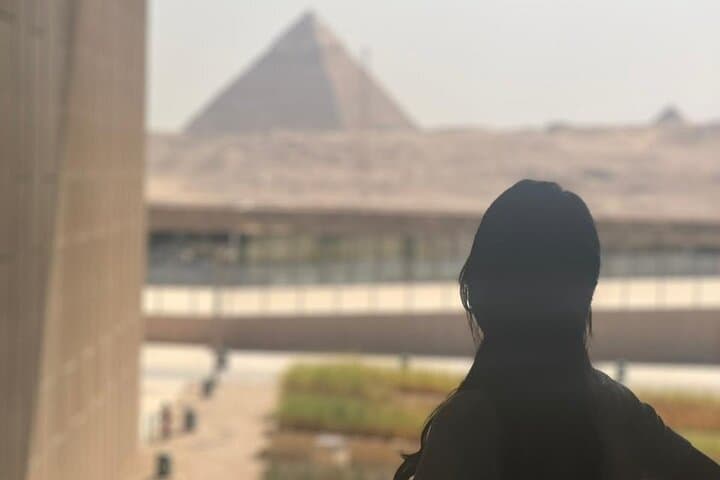
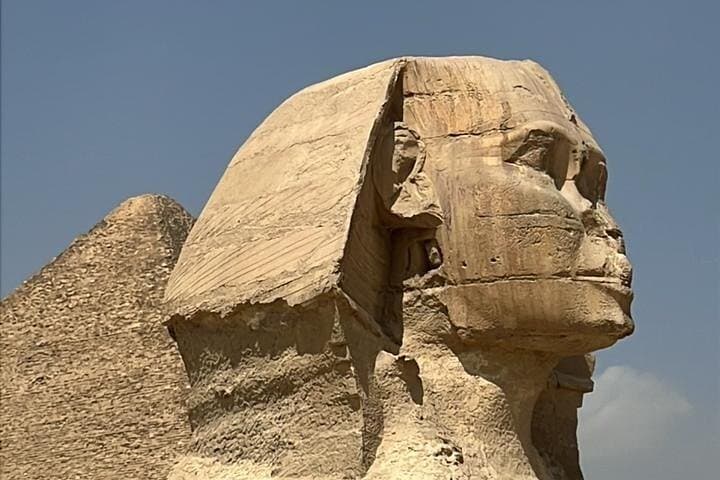
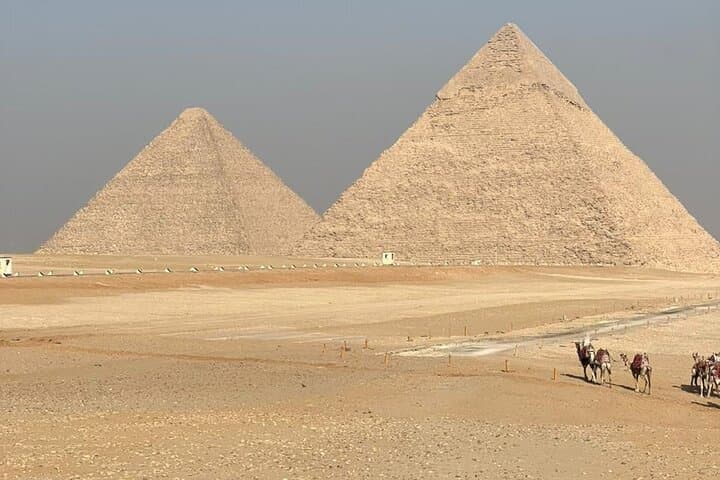
Even before the bus pulls up, the desert announces itself: a low, dry heat that makes the limestone of the Giza plateau glow like an old coin. Visitors step out into a wind that seems to push them toward the pyramids—the Great Pyramid rises massive and deliberate, the Sphinx watching the horizon. The first day moves from that raw, sun-baked geometry to the cool galleries of the Grand Egyptian Museum, where Tutankhamun’s gold catches the light with a fragile brilliance.
Even before the bus pulls up, the desert announces itself: a low, dry heat that makes the limestone of the Giza plateau glow like an old coin. Visitors step out into a wind that seems to push them toward the pyramids—the Great Pyramid rises massive and deliberate, the Sphinx watching the horizon. The first day moves from that raw, sun-baked geometry to the cool galleries of the Grand Egyptian Museum, where Tutankhamun’s gold catches the light with a fragile brilliance.
Egypt’s layers are geological and civic: Nile silt built the floodplain under Cairo; millennia of empire made the city a crossroads between Africa, Asia and the Mediterranean. Alexandria on day two shows a different face—stone piers, Roman ruins and a modern library standing where the ancient one once drew scholars. Old Cairo folds faith and craft together: mosques, the Coptic Caves Church and the bustling Khan El-Khalili bazaar where spices and copperware trade beneath carved wooden balconies.
Practically, this private two-day itinerary suits travelers who want curated access rather than independent navigation. Expect moderate walking on uneven stone at Giza and tile streets in historic quarters. Guides handle logistics, entrance fees and an air-conditioned vehicle between sites; museum queues are shorter with curated tickets. Carry a refillable water bottle, sun protection for the plateau and comfortable shoes for cobbles and stairs. Plan mornings for the pyramids and late afternoon for Old Cairo to avoid peak heat and crowds. Respect local customs in religious sites—shoulders and knees covered—and leave nothing behind but footprints and photographs.