THE ADVENTURE COLLECTIVE® · Independent discovery and booking for outdoor travel

Spend two concentrated days moving from the Giza Plateau to Saqqara, Dahshur and the Egyptian Museum with an Egyptologist guide. This practical tour blends outdoor archaeology, medieval Islamic sites, and museum visits across Cairo.
Spend two concentrated days moving from the Giza Plateau to Saqqara, Dahshur and the Egyptian Museum with an Egyptologist guide. This practical tour blends outdoor archaeology, medieval Islamic sites, and museum visits across Cairo.
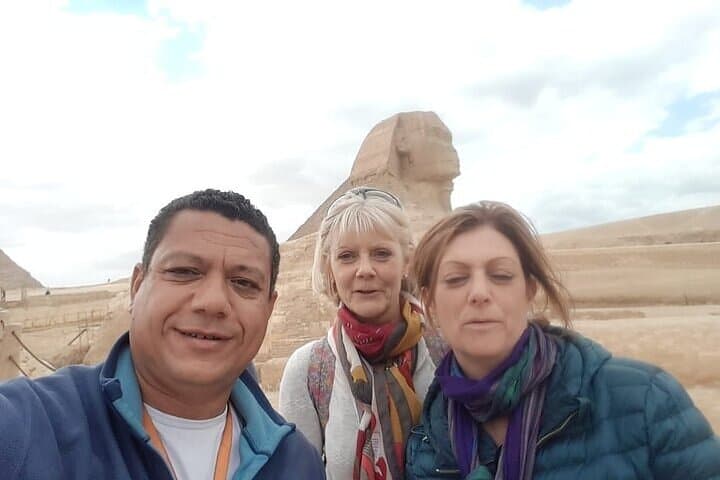
Morning light carves the faces of the Giza Plateau and the Great Pyramid seems to move as you approach — a hulking geometry that both commands and watches the city below. On a two-day guided circuit from Cairo you trade the bustle of modern streets for dry wind, stepped stone, and tight alleys of history as an Egyptologist-led guide separates fact from myth.
Verified experiences and guided adventures in the surrounding area.
Operated by Hola Egipto · Cairo, Cairo Governorate
Morning light carves the faces of the Giza Plateau and the Great Pyramid seems to move as you approach — a hulking geometry that both commands and watches the city below. On a two-day guided circuit from Cairo you trade the bustle of modern streets for dry wind, stepped stone, and tight alleys of history as an Egyptologist-led guide separates fact from myth.
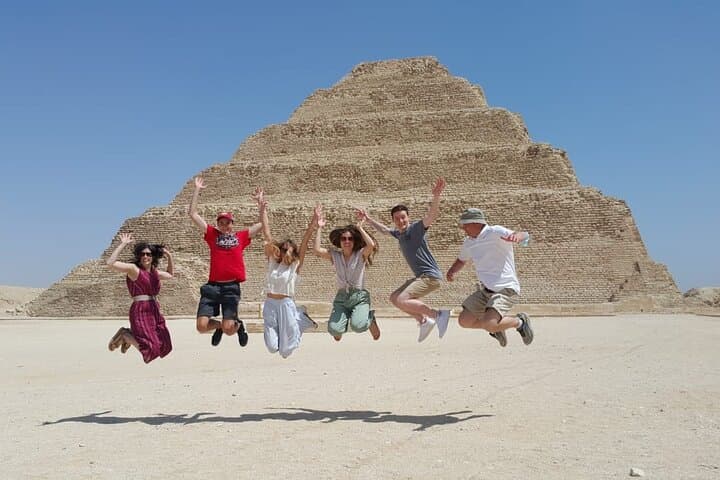
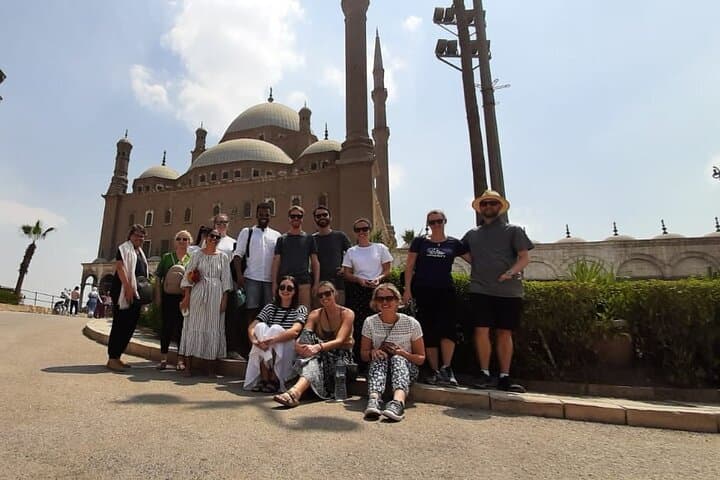
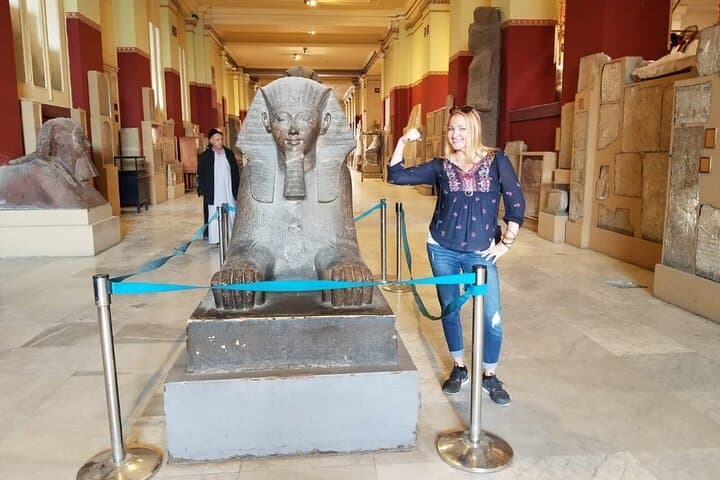
These sites span millennia: the Step Pyramid at Saqqara (c. 2630 BC) is the world’s oldest major stone structure, Giza’s trio of pyramids record royal funerary architecture at its peak, and Dahshur’s Red and Bent Pyramids reveal experimental shifts in ancient engineering. The Saladin Citadel and Mohamed Ali Mosque add a medieval Ottoman chapter, while the Egyptian Museum collects five millennia of artifacts including Tutankhamen’s treasures.
Geology and urban life collide here — limestone bedrock underpins the necropolises while the Nile’s floodplain to the east has fed and shaped settlement patterns for thousands of years. Local culture is immediate: camel handlers on the Plateau, Coptic congregations in Old Cairo, and vendors selling mint tea outside museum doors.
Practical side: expect long days on foot, sun and dust; comfortable walking shoes, sun protection, and a reusable water bottle matter more than flash. Admissions are typically purchased on-site, and a certified guide will manage lines and logistics. Early starts beat crowds and heat; bring your passport for entry where required and be ready to move between archaeological terraces and city streets over two full days.
moderate.
2 days (approx. 8–9 hours per day).
Suitable for travelers in good general health who can walk on uneven surfaces, climb short stair sections, and tolerate heat.
Admissions are typically not included in the base tour price; your guide can arrange tickets on-site and advise on current fees and required ID.
The operator lists wheelchair accessibility, but many ancient sites have uneven ground and steps; contact the provider in advance to confirm specific access and vehicle needs.
Pick-up and drop-off by air-conditioned vehicle are included; confirm your pickup point when booking and allow extra time for city traffic.
Tipping is customary in Egypt; plan modest tips for your guide and driver as a recognized part of the local service economy.
The Step Pyramid at Saqqara (built for Djoser around 2630 BC) marks the transition to large-scale stone construction; the Saladin Citadel dates to the 12th century and reshaped Cairo’s medieval skyline.
High visitor numbers and urban pollution stress fragile stone and painted surfaces; follow barriers, avoid touching carvings, and choose licensed guides who support site preservation.
Hola Egipto operates guided outdoor trips and adventures with an emphasis on safety, stewardship, and memorable experiences.
Morning light carves the faces of the Giza Plateau and the Great Pyramid seems to move as you approach — a hulking geometry that both commands and watches the city below. On a two-day guided circuit from Cairo you trade the bustle of modern streets for dry wind, stepped stone, and tight alleys of history as an Egyptologist-led guide separates fact from myth.
Morning light carves the faces of the Giza Plateau and the Great Pyramid seems to move as you approach — a hulking geometry that both commands and watches the city below. On a two-day guided circuit from Cairo you trade the bustle of modern streets for dry wind, stepped stone, and tight alleys of history as an Egyptologist-led guide separates fact from myth.
These sites span millennia: the Step Pyramid at Saqqara (c. 2630 BC) is the world’s oldest major stone structure, Giza’s trio of pyramids record royal funerary architecture at its peak, and Dahshur’s Red and Bent Pyramids reveal experimental shifts in ancient engineering. The Saladin Citadel and Mohamed Ali Mosque add a medieval Ottoman chapter, while the Egyptian Museum collects five millennia of artifacts including Tutankhamen’s treasures.
Geology and urban life collide here — limestone bedrock underpins the necropolises while the Nile’s floodplain to the east has fed and shaped settlement patterns for thousands of years. Local culture is immediate: camel handlers on the Plateau, Coptic congregations in Old Cairo, and vendors selling mint tea outside museum doors.
Practical side: expect long days on foot, sun and dust; comfortable walking shoes, sun protection, and a reusable water bottle matter more than flash. Admissions are typically purchased on-site, and a certified guide will manage lines and logistics. Early starts beat crowds and heat; bring your passport for entry where required and be ready to move between archaeological terraces and city streets over two full days.