THE ADVENTURE COLLECTIVE® · Independent discovery and booking for outdoor travel

Spend two immersive days between the Giza Plateau and the Grand Egyptian Museum: pyramids and sphinx at dawn, Tutankhamun’s treasures by afternoon, then Citadel views and Coptic corridors the next day. This guided private tour blends archaeology, active desert rides, and practical logistics.
Spend two immersive days between the Giza Plateau and the Grand Egyptian Museum: pyramids and sphinx at dawn, Tutankhamun’s treasures by afternoon, then Citadel views and Coptic corridors the next day. This guided private tour blends archaeology, active desert rides, and practical logistics.
You arrive at the Giza Plateau with the wind pushing warm sand against your boots and the silhouette of the Great Pyramid pinning the sky. Camels chew cud nearby while quad bikes hum along the edge of the plateau—an immediate reminder that this stretch of desert keeps both ancient and modern rhythms.
Verified experiences and guided adventures in the surrounding area.
Operated by Pyramids Planet Tours · Cairo, Cairo Governorate
You arrive at the Giza Plateau with the wind pushing warm sand against your boots and the silhouette of the Great Pyramid pinning the sky. Camels chew cud nearby while quad bikes hum along the edge of the plateau—an immediate reminder that this stretch of desert keeps both ancient and modern rhythms.
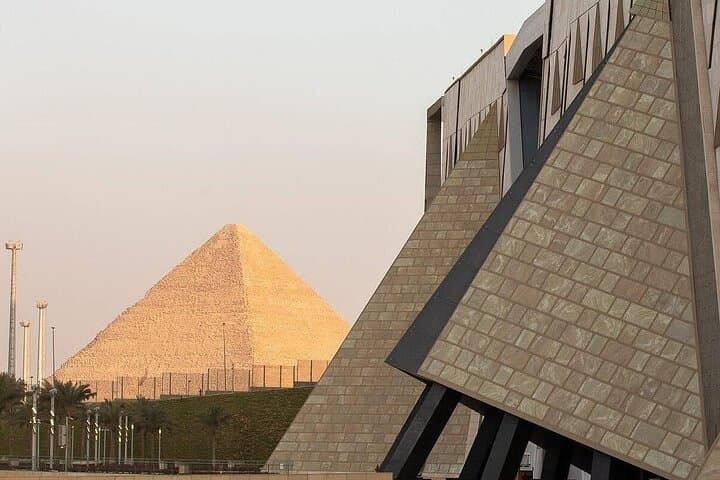
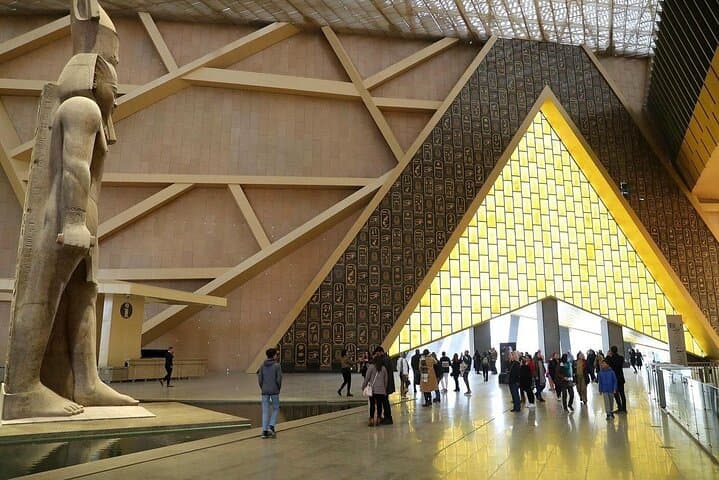
The next forty-eight hours stitch together Egypt’s long story: the limestone blocks and mortar that hold the pyramids, the vast new galleries of the Grand Egyptian Museum (GEM) where Tutankhamun’s treasures sit under contemporary glass, and the layered cityscapes of Islamic and Coptic Cairo—Citadel ramparts built by Saladin and a fifth-century hanging church that survived centuries of change. Geologically, the plateau is a raised bedrock slab formed from Eocene limestone; its hard surface is why tomb builders chose this spot, and why the pyramids stand still against wind and time.
Expect guided walks across open, sun-exposed terrain and easily reachable museum halls. The tour includes private transfers, entrance fees to main sites, lunch each day, a camel ride, and an optional quad-bike loop around the pyramids. Practicalities matter: cover shoulders in mosques, carry ID for museum entry, and allow buffer time for Cairo traffic between sites.
Bring sturdy closed shoes for uneven stone and desert grit, a broad-brim hat, and a refillable water bottle—hydration and shade do more for enjoyment than extra souvenirs. With a measured pace, two days here deliver archaeology, architecture, and the tactile thrill of standing beside structures older than most nations.
easy.
2 days.
Suitable for most fitness levels; expect several hours of walking each day on uneven surfaces and brief desert rides.
Yes — the tour description notes main entrance fees to the Pyramids, GEM, Citadel, and Egyptian Museum are included in the booking.
A camel ride is included based on the chosen option; quad bike (ATV) is offered as part of the tour options—confirm which activities are selected at booking.
Carry some Egyptian pounds for optional extras, souvenirs, and tipping guides or camel/quad handlers; cards are accepted at larger museum venues but not for small vendors.
Expect moderate walking on uneven terrain and museum floors; the tour is marketed as suitable for all fitness levels, but supervise children during plateau visits and desert rides.
The Giza pyramids date to the Fourth Dynasty (c. 2580–2465 BCE) while the Grand Egyptian Museum consolidates artifacts long dispersed across Cairo into a single modern display.
GEM and site authorities emphasize preservation—stay on marked paths, avoid touching ancient stonework, and follow guide instructions to minimize wear on fragile sites.
Pyramids Planet Tours operates guided outdoor trips and adventures with an emphasis on safety, stewardship, and memorable experiences.
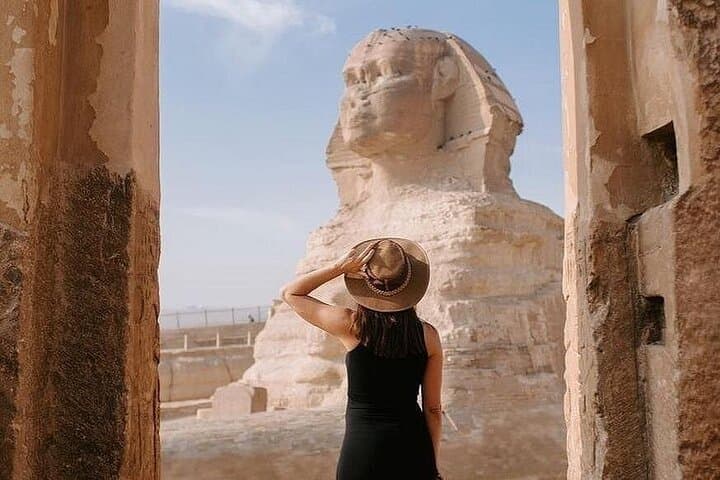

You arrive at the Giza Plateau with the wind pushing warm sand against your boots and the silhouette of the Great Pyramid pinning the sky. Camels chew cud nearby while quad bikes hum along the edge of the plateau—an immediate reminder that this stretch of desert keeps both ancient and modern rhythms.
You arrive at the Giza Plateau with the wind pushing warm sand against your boots and the silhouette of the Great Pyramid pinning the sky. Camels chew cud nearby while quad bikes hum along the edge of the plateau—an immediate reminder that this stretch of desert keeps both ancient and modern rhythms.
The next forty-eight hours stitch together Egypt’s long story: the limestone blocks and mortar that hold the pyramids, the vast new galleries of the Grand Egyptian Museum (GEM) where Tutankhamun’s treasures sit under contemporary glass, and the layered cityscapes of Islamic and Coptic Cairo—Citadel ramparts built by Saladin and a fifth-century hanging church that survived centuries of change. Geologically, the plateau is a raised bedrock slab formed from Eocene limestone; its hard surface is why tomb builders chose this spot, and why the pyramids stand still against wind and time.
Expect guided walks across open, sun-exposed terrain and easily reachable museum halls. The tour includes private transfers, entrance fees to main sites, lunch each day, a camel ride, and an optional quad-bike loop around the pyramids. Practicalities matter: cover shoulders in mosques, carry ID for museum entry, and allow buffer time for Cairo traffic between sites.
Bring sturdy closed shoes for uneven stone and desert grit, a broad-brim hat, and a refillable water bottle—hydration and shade do more for enjoyment than extra souvenirs. With a measured pace, two days here deliver archaeology, architecture, and the tactile thrill of standing beside structures older than most nations.