THE ADVENTURE COLLECTIVE® · Independent discovery and booking for outdoor travel

Fly from Hurghada to Cairo for two full days of Egypt’s most iconic sites: the Giza Pyramids, the Sphinx, the Egyptian Museum and the Citadel. This private itinerary pairs efficient transfers and an Egyptologist guide with on-site logistics so you can focus on walking through history.
Fly from Hurghada to Cairo for two full days of Egypt’s most iconic sites: the Giza Pyramids, the Sphinx, the Egyptian Museum and the Citadel. This private itinerary pairs efficient transfers and an Egyptologist guide with on-site logistics so you can focus on walking through history.
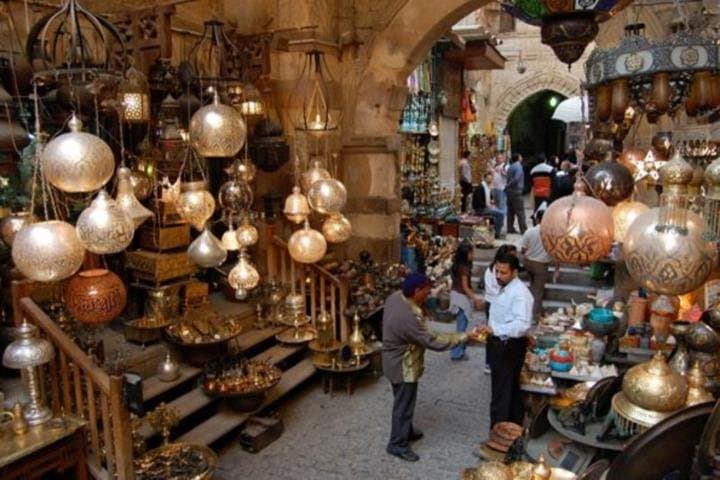
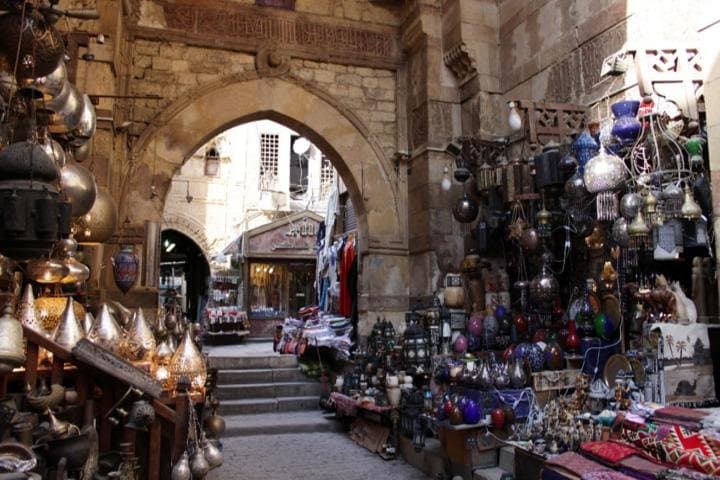
Morning light slices the desert as your private transfer eases onto the tarmac at Hurghada; in two hours you’ll trade coral reef views for the hush of 4,500 years of stone. This two-day round trip drops you into Cairo’s stacked history—Giza’s pyramids looming like patient giants, the Sphinx staring across millennia, then the tight alleys of Khan el-Khalili where bargaining is as much ritual as commerce.
Verified experiences and guided adventures in the surrounding area.
Operated by This is Egypt Tours · Cairo, Cairo Governorate
Morning light slices the desert as your private transfer eases onto the tarmac at Hurghada; in two hours you’ll trade coral reef views for the hush of 4,500 years of stone. This two-day round trip drops you into Cairo’s stacked history—Giza’s pyramids looming like patient giants, the Sphinx staring across millennia, then the tight alleys of Khan el-Khalili where bargaining is as much ritual as commerce.
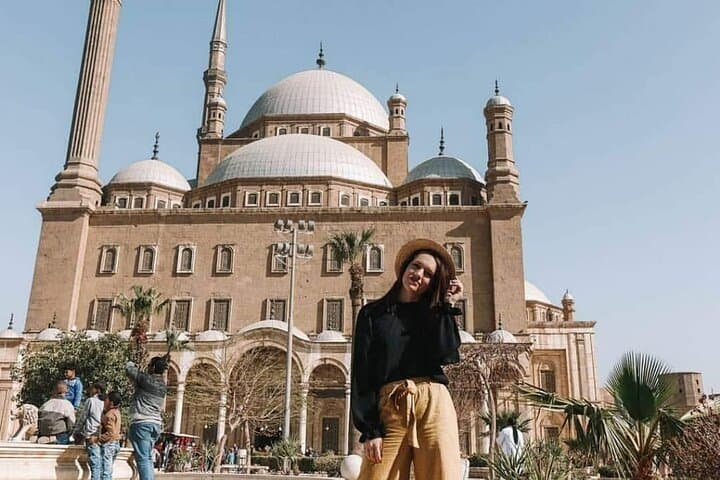
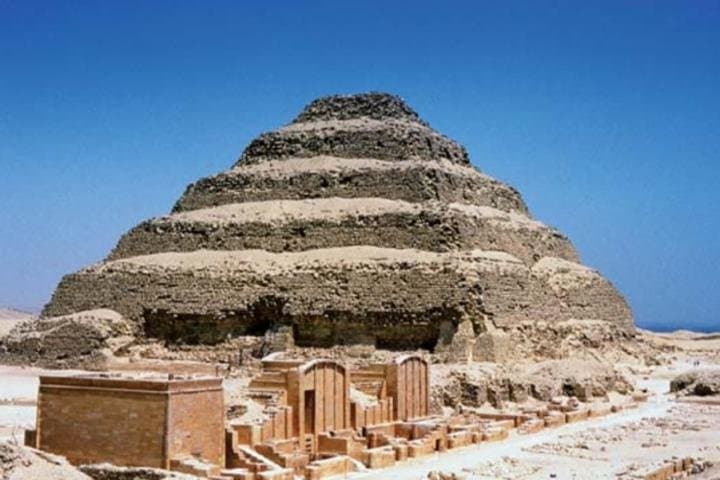
Geology and history interlock here: the Giza plateau sits on compact limestone and ancient bedrock, the raw material of the Old Kingdom’s monumental architecture. Later layers of Cairo—Fatimid mosques, Ottoman citadels, and modern boulevards—trace waves of empire and trade that shaped the city. Your Egyptologist guide will translate hieroglyphs into political drama and point out architectural details: the stepped base of Djoser’s complex, the Ottoman curves of Mohamed Ali’s alabaster mosque.
Cairo is sensory: the Nile inches through the city like a slow, obliging artery; the air can hold dust, spice, diesel and sugar-sweet tea. Expect lots of walking on uneven paving, crowded market lanes, and intense sun when you’re on the plateau.
Practical guidance: internal flights and transfers are included—pack light and keep passports handy for ticketing. Pyramid area tickets cover access to the plateau but not interior chambers unless you buy upgrades on site. Wear sturdy walking shoes, sunscreen, and modest layers for mosque visits; carry small change for tips and quick purchases. Plan for early starts to avoid peak heat and allow time at the Egyptian Museum for the trove of artifacts that explain the monuments you just visited.
moderate.
2 days (approx. 48 hours).
Light to moderate fitness—able to walk several hours across uneven ground and climb short staircases.
Yes—internal round-trip flights and private transfers are included in the tour price as described.
The standard ticket covers access to the Giza plateau and sites; entering a pyramid chamber requires an additional on-site ticket and sometimes separate queues.
Accommodation (one night in Cairo) plus breakfast and two lunches are included; confirm specific hotel pickup locations when booking.
The operator lists accessibility options for transport and surfaces, but note that some archaeological sites have uneven terrain and limited mobility access.
Cairo developed as a major capital under the Fatimids in the 10th century and later became a cultural and administrative center under Ottoman and modern Egyptian rule, layered atop pharaonic sites at Giza and Saqqara.
High visitor numbers strain archaeological sites; stick to marked paths, avoid touching carvings, and follow local guidance to limit erosion and wear.
This is Egypt Tours operates guided outdoor trips and adventures with an emphasis on safety, stewardship, and memorable experiences.
Morning light slices the desert as your private transfer eases onto the tarmac at Hurghada; in two hours you’ll trade coral reef views for the hush of 4,500 years of stone. This two-day round trip drops you into Cairo’s stacked history—Giza’s pyramids looming like patient giants, the Sphinx staring across millennia, then the tight alleys of Khan el-Khalili where bargaining is as much ritual as commerce.
Morning light slices the desert as your private transfer eases onto the tarmac at Hurghada; in two hours you’ll trade coral reef views for the hush of 4,500 years of stone. This two-day round trip drops you into Cairo’s stacked history—Giza’s pyramids looming like patient giants, the Sphinx staring across millennia, then the tight alleys of Khan el-Khalili where bargaining is as much ritual as commerce.
Geology and history interlock here: the Giza plateau sits on compact limestone and ancient bedrock, the raw material of the Old Kingdom’s monumental architecture. Later layers of Cairo—Fatimid mosques, Ottoman citadels, and modern boulevards—trace waves of empire and trade that shaped the city. Your Egyptologist guide will translate hieroglyphs into political drama and point out architectural details: the stepped base of Djoser’s complex, the Ottoman curves of Mohamed Ali’s alabaster mosque.
Cairo is sensory: the Nile inches through the city like a slow, obliging artery; the air can hold dust, spice, diesel and sugar-sweet tea. Expect lots of walking on uneven paving, crowded market lanes, and intense sun when you’re on the plateau.
Practical guidance: internal flights and transfers are included—pack light and keep passports handy for ticketing. Pyramid area tickets cover access to the plateau but not interior chambers unless you buy upgrades on site. Wear sturdy walking shoes, sunscreen, and modest layers for mosque visits; carry small change for tips and quick purchases. Plan for early starts to avoid peak heat and allow time at the Egyptian Museum for the trove of artifacts that explain the monuments you just visited.