THE ADVENTURE COLLECTIVE® · Independent discovery and booking for outdoor travel

Cover Cairo’s top sights in two concentrated days: the Citadel and Muhammad Ali Mosque, Coptic and Islamic quarters, Saqqara’s Step Pyramid, and the Giza Necropolis. Practical tips on timing, dress, and what to expect make this an efficient cultural tour.
Cover Cairo’s top sights in two concentrated days: the Citadel and Muhammad Ali Mosque, Coptic and Islamic quarters, Saqqara’s Step Pyramid, and the Giza Necropolis. Practical tips on timing, dress, and what to expect make this an efficient cultural tour.
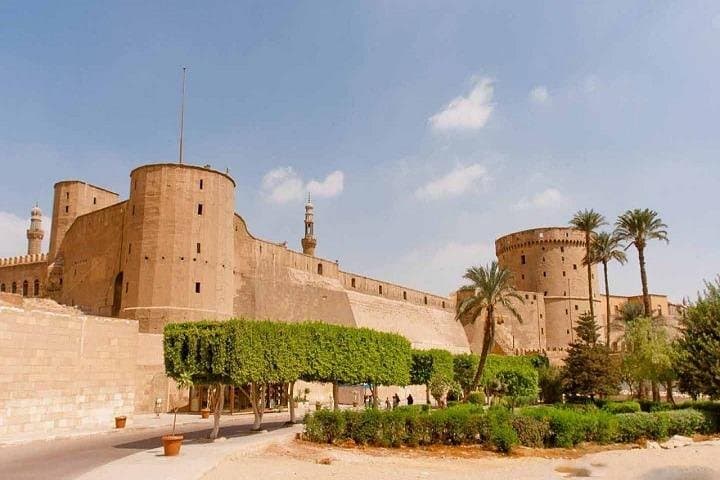
You step from the air-conditioned van into a Cairo morning that smells of spice and diesel, the city unspooling around limestone walls and modern high-rises. The Citadel rises like a stone crown above a tangle of streets; across the Nile the Giza plateau waits, geometric and immovable.
Verified experiences and guided adventures in the surrounding area.
Operated by Available travel Egypt · Cairo, Cairo Governorate
You step from the air-conditioned van into a Cairo morning that smells of spice and diesel, the city unspooling around limestone walls and modern high-rises. The Citadel rises like a stone crown above a tangle of streets; across the Nile the Giza plateau waits, geometric and immovable.
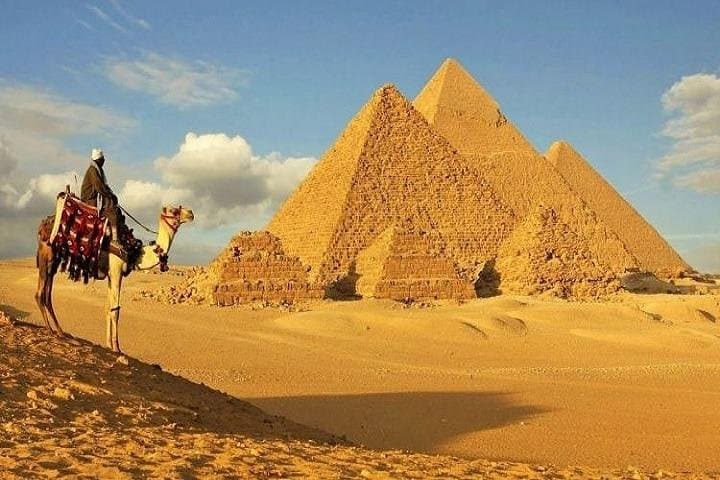
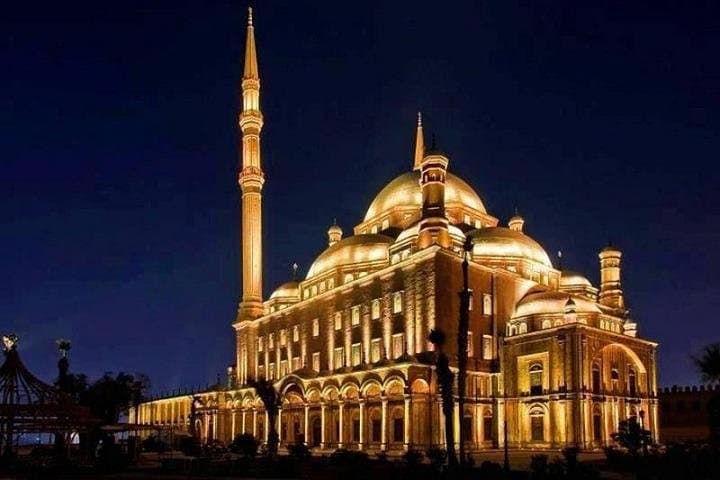
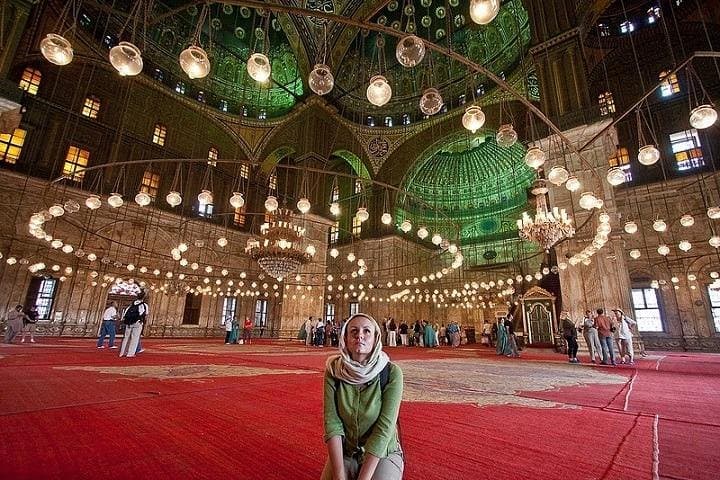
This two-day itinerary threads Egypt’s layers together: Islamic Cairo’s narrow alleys and the 19th‑century Muhammad Ali Mosque at the Citadel, Coptic Cairo’s ancient churches built atop the Babylon Fortress, then Saqqara’s Step Pyramid — the world’s first major stone funerary complex — and the colossal trio on the Giza Necropolis. Geology here is obvious: the Tura limestone that faced the pyramids, the desert sands that shaped ritual routes, and the Nile’s life-giving alluvial plain that made civilization possible.
Culturally, expect a living city where bazaars hum, religious traditions coexist, and licensed Egyptologists decode hieroglyphs and urban layers. Photographers find contrast — carved stone against electric signage — while the Papyrus Museum and Memphis’ colossal statues anchor the ancient past.
Practical guidance: start early to avoid midday heat at open sites; wear sturdy walking shoes for uneven stone and sand; carry a refillable water bottle and modest clothing for mosque and church visits. Allow time for bargaining at Khan el-Khalili and for museum security searches. Transfers are by modern, air‑conditioned vehicle and the tour is suitable for most fitness levels. Bring local currency, sunscreen, and an inquisitive mind — these two days condense millennia into readable, walkable chapters.
easy.
2 days (full days).
Suitable for travelers who can walk on uneven ground for several hours; minimal steep climbs.
Some site admissions are not included—expect to pay on arrival for pyramids, museums, and certain tombs unless specified otherwise.
Yes — transfers are provided by air‑conditioned vehicle; confirm your pickup point and flight details when booking.
The tour notes wheelchair and transport accessibility, but some ancient sites have uneven terrain and limited ramp access; check specifics for Giza and Saqqara.
Bargaining is customary; start at about half the vendor’s first price and work up — be polite and ready to walk away if the price isn’t right.
Cairo grew from Roman and Coptic settlements and was later transformed by Fatimid and Mamluk rulers; the Citadel and Moez Street reflect centuries of Islamic urban development.
Visitors are encouraged not to touch ancient stonework, to stick to marked paths at archaeological sites, and to use licensed guides — these practices help protect fragile monuments.
Available travel Egypt operates guided outdoor trips and adventures with an emphasis on safety, stewardship, and memorable experiences.
You step from the air-conditioned van into a Cairo morning that smells of spice and diesel, the city unspooling around limestone walls and modern high-rises. The Citadel rises like a stone crown above a tangle of streets; across the Nile the Giza plateau waits, geometric and immovable.
You step from the air-conditioned van into a Cairo morning that smells of spice and diesel, the city unspooling around limestone walls and modern high-rises. The Citadel rises like a stone crown above a tangle of streets; across the Nile the Giza plateau waits, geometric and immovable.
This two-day itinerary threads Egypt’s layers together: Islamic Cairo’s narrow alleys and the 19th‑century Muhammad Ali Mosque at the Citadel, Coptic Cairo’s ancient churches built atop the Babylon Fortress, then Saqqara’s Step Pyramid — the world’s first major stone funerary complex — and the colossal trio on the Giza Necropolis. Geology here is obvious: the Tura limestone that faced the pyramids, the desert sands that shaped ritual routes, and the Nile’s life-giving alluvial plain that made civilization possible.
Culturally, expect a living city where bazaars hum, religious traditions coexist, and licensed Egyptologists decode hieroglyphs and urban layers. Photographers find contrast — carved stone against electric signage — while the Papyrus Museum and Memphis’ colossal statues anchor the ancient past.
Practical guidance: start early to avoid midday heat at open sites; wear sturdy walking shoes for uneven stone and sand; carry a refillable water bottle and modest clothing for mosque and church visits. Allow time for bargaining at Khan el-Khalili and for museum security searches. Transfers are by modern, air‑conditioned vehicle and the tour is suitable for most fitness levels. Bring local currency, sunscreen, and an inquisitive mind — these two days condense millennia into readable, walkable chapters.