THE ADVENTURE COLLECTIVE® · Independent discovery and booking for outdoor travel

Spend two days between Cairo’s Egyptian Museum and the Giza Plateau: a morning among ancient treasures and an evening under lights that narrate the pyramids’ story. This concise guide tells you what to expect, how to prepare, and where to save time during the trip.
Spend two days between Cairo’s Egyptian Museum and the Giza Plateau: a morning among ancient treasures and an evening under lights that narrate the pyramids’ story. This concise guide tells you what to expect, how to prepare, and where to save time during the trip.
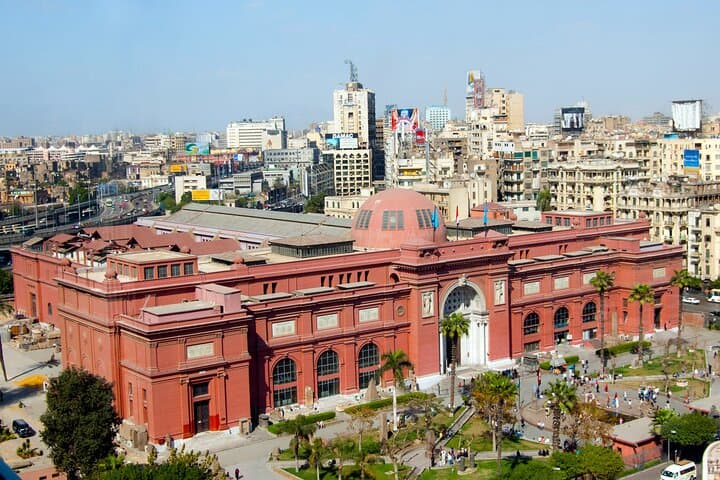
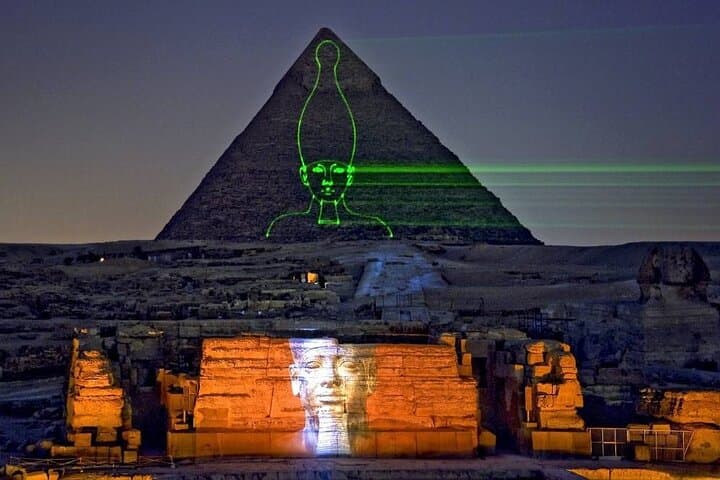
At dusk the Giza Plateau throws a low, honeyed light across the stones; the Sphinx’s profile holds steady as speakers weave a history that makes the air feel electric. On day one the tour moves into busy Tahrir Square, where the Egyptian Museum’s 1901 façade gives way to galleries packed with carved stone, painted coffins and Tutankhamun’s gold mask—objects that force close inspection and slow steps.
Verified experiences and guided adventures in the surrounding area.
Operated by Emo Tours Swiss · Cairo, Cairo Governorate
At dusk the Giza Plateau throws a low, honeyed light across the stones; the Sphinx’s profile holds steady as speakers weave a history that makes the air feel electric. On day one the tour moves into busy Tahrir Square, where the Egyptian Museum’s 1901 façade gives way to galleries packed with carved stone, painted coffins and Tutankhamun’s gold mask—objects that force close inspection and slow steps.
The museum itself traces modern Egypt’s collecting history and houses over 120,000 artifacts spanning Pharaonic kingdoms. Geology is obvious here: limestone and granite from the Nile Valley shaped these monuments, and the plateau’s bedrock anchors the pyramids’ geometry. Culturally, Cairo is a city of layered rhythms—street vendors, call to prayer, and small museums tucked amid wide boulevards.
Practicalities are straightforward: the two-day itinerary combines a guided half-day museum visit with an evening transfer to the Sound & Light show on Giza’s plateau. Expect moderate walking on hard floors and uneven desert paths, brief vehicle transfers in air-conditioned cars, and periods of standing during presentations. Bring a copy of your passport for ticketing, comfortable closed-toe shoes for museum floors and plateau access, and a light jacket for the evening—the desert cools quickly after sunset.
Timing matters: traffic in Cairo can add 30–60 minutes each way between Giza and central Cairo, so allow padding around hotel pickup. Respect site rules, avoid flash photography where posted, and plan for hot daytime sun—hydrate and pace your visits to get the most from both the artifacts and the spectacle.
easy.
2 days (evening show ~1 hour; museum visit ~2 hours).
Suitable for most travelers who can walk for 1–2 hours and handle short standing periods
Yes—this tour lists admission to the Egyptian Museum and the Sound & Light show as included per the itinerary.
Yes—private pickup and return from hotels in Cairo and Giza are included in the tour.
The tour involves walking and standing; it is marked as physically easy but not recommended for travelers with serious spinal, heart, or pregnancy-related restrictions—check with the operator in advance.
Children are welcome; infant seats may be available for transfers but the show’s length and audio may be challenging for very young children.
The Egyptian Museum in Tahrir, opened in 1902, became the central repository for artifacts from the Pharaonic period; the Giza pyramids date to the Fourth Dynasty (c. 2600–2500 BCE).
High visitor numbers strain fragile sites—follow signage, avoid touching artifacts, and support local guides who practice responsible tourism.
Emo Tours Swiss operates guided outdoor trips and adventures with an emphasis on safety, stewardship, and memorable experiences.


At dusk the Giza Plateau throws a low, honeyed light across the stones; the Sphinx’s profile holds steady as speakers weave a history that makes the air feel electric. On day one the tour moves into busy Tahrir Square, where the Egyptian Museum’s 1901 façade gives way to galleries packed with carved stone, painted coffins and Tutankhamun’s gold mask—objects that force close inspection and slow steps.
At dusk the Giza Plateau throws a low, honeyed light across the stones; the Sphinx’s profile holds steady as speakers weave a history that makes the air feel electric. On day one the tour moves into busy Tahrir Square, where the Egyptian Museum’s 1901 façade gives way to galleries packed with carved stone, painted coffins and Tutankhamun’s gold mask—objects that force close inspection and slow steps.
The museum itself traces modern Egypt’s collecting history and houses over 120,000 artifacts spanning Pharaonic kingdoms. Geology is obvious here: limestone and granite from the Nile Valley shaped these monuments, and the plateau’s bedrock anchors the pyramids’ geometry. Culturally, Cairo is a city of layered rhythms—street vendors, call to prayer, and small museums tucked amid wide boulevards.
Practicalities are straightforward: the two-day itinerary combines a guided half-day museum visit with an evening transfer to the Sound & Light show on Giza’s plateau. Expect moderate walking on hard floors and uneven desert paths, brief vehicle transfers in air-conditioned cars, and periods of standing during presentations. Bring a copy of your passport for ticketing, comfortable closed-toe shoes for museum floors and plateau access, and a light jacket for the evening—the desert cools quickly after sunset.
Timing matters: traffic in Cairo can add 30–60 minutes each way between Giza and central Cairo, so allow padding around hotel pickup. Respect site rules, avoid flash photography where posted, and plan for hot daytime sun—hydrate and pace your visits to get the most from both the artifacts and the spectacle.