THE ADVENTURE COLLECTIVE® · Independent discovery and booking for outdoor travel

Fly from Luxor to Cairo for a concentrated two-day tour that pairs the Pyramids and Grand Egyptian Museum with Coptic Cairo and Khan El Khalili. This private itinerary compresses Egypt’s highlights into a practical, walkable experience.
Fly from Luxor to Cairo for a concentrated two-day tour that pairs the Pyramids and Grand Egyptian Museum with Coptic Cairo and Khan El Khalili. This private itinerary compresses Egypt’s highlights into a practical, walkable experience.
Touching down in Cairo after the short hop from Luxor feels like turning a page: the red-gold desert unfurls, and the Pyramids of Giza rise out of the haze, their angles cutting a clean line against the city. At ground level, camels shift, vendors call, and the Sphinx keeps a quiet watch as the modern metropolis moves around these ancient stones.
Verified experiences and guided adventures in the surrounding area.
Operated by NORTH AFRICAN SHIPPING AND TOURISM COMPANY (NASCO TOURS) · Cairo, Cairo Governorate
Touching down in Cairo after the short hop from Luxor feels like turning a page: the red-gold desert unfurls, and the Pyramids of Giza rise out of the haze, their angles cutting a clean line against the city. At ground level, camels shift, vendors call, and the Sphinx keeps a quiet watch as the modern metropolis moves around these ancient stones.
The route maps a concentrated survey of Egyptian heritage. The Giza plateau exposes Old Kingdom engineering in Khufu, Khafre and Menkaure; the surrounding limestone and gypsum beds explain why these monuments endures. The Grand Egyptian Museum reframes pharaonic display with climate-controlled galleries and Tutankhamun’s assemblage, while Coptic Cairo traces Christian life from late antiquity — the Hanging Church and St. Sergius mark continuous worship across centuries. Khan El Khalili presents urban culture through spices, metalwork and local tea rituals.
Practically, this itinerary is brisk: expect two days with focused sightseeing, hotel transfer time and short walks between sites. Mornings are best at Giza and the museum to avoid midday heat and crowds. Wear closed, comfortable shoes for uneven stonework, bring a hat and water, and plan modest clothing for religious sites. The tour’s private vehicle and specialist guide streamline logistics—passport, visa and camera batteries should be ready. Allow downtime between transfers; Cairo’s pace rewards patience.
For travelers coming from Luxor, the jump to Cairo condenses Egypt’s sweep—ancient engineering, museum curation and living urban textures—into a compact, walkable experience that’s both vivid and manageable.
moderate.
2 days.
Light to moderate fitness for walking on uneven ground and climbing museum staircases
This itinerary includes the domestic flight from Luxor to Cairo as part of the schedule—confirm times on booking.
Yes; the tour is described as suitable for all fitness levels but note uneven surfaces and some walking—infant seats available on request.
Admissions to the Grand Egyptian Museum and the National Museum of Egyptian Civilization (Royal Mummies Hall) are included; check for any temporary closures.
Egyptian pounds (EGP) are standard for markets and tips; small cash for local vendors and guide/tip gratuities is recommended.
The Giza pyramids date to the Fourth Dynasty (c. 26th century BCE); the Grand Egyptian Museum consolidates major finds including Tutankhamun’s treasures, and Coptic Cairo preserves Christian sites from late antiquity onward.
Visitor pressure and urban pollution challenge preservation—follow marked paths, avoid touching reliefs, and minimize plastic waste; using local guides supports community-led conservation.
NORTH AFRICAN SHIPPING AND TOURISM COMPANY (NASCO TOURS) operates guided outdoor trips and adventures with an emphasis on safety, stewardship, and memorable experiences.
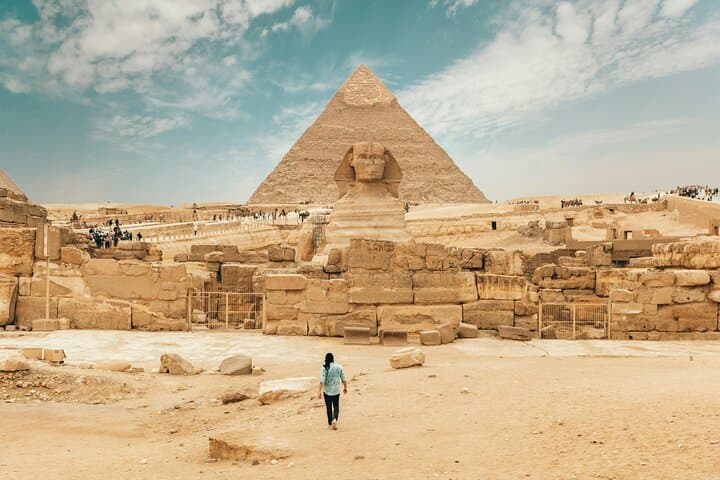
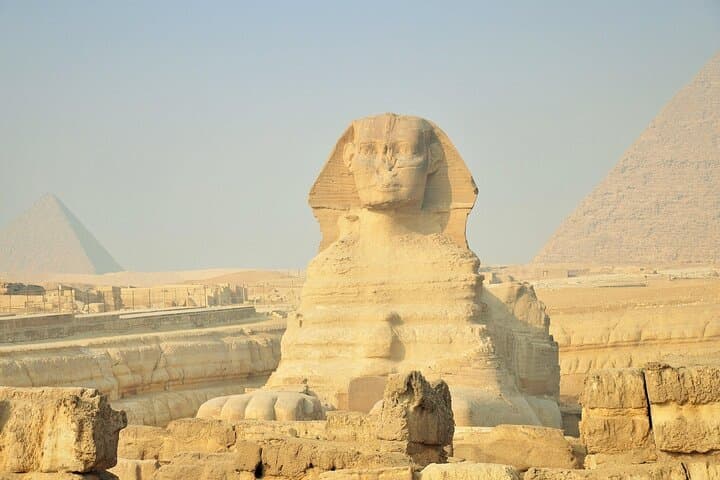
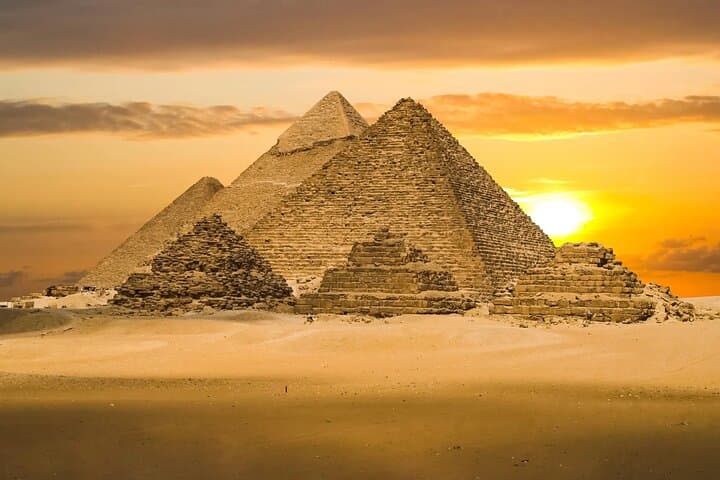
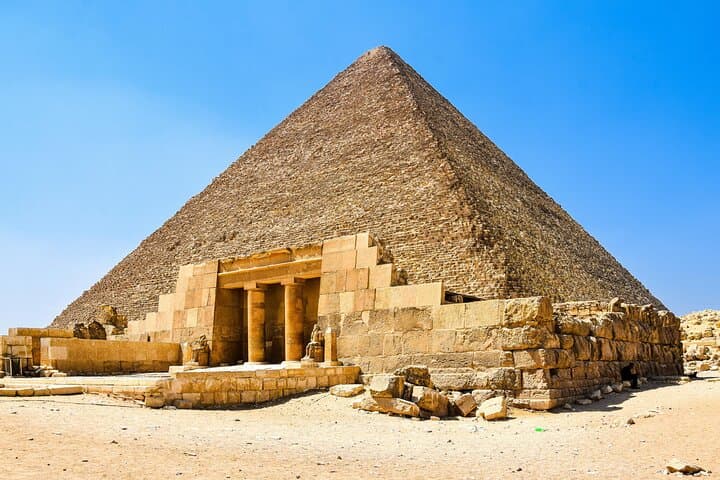
Touching down in Cairo after the short hop from Luxor feels like turning a page: the red-gold desert unfurls, and the Pyramids of Giza rise out of the haze, their angles cutting a clean line against the city. At ground level, camels shift, vendors call, and the Sphinx keeps a quiet watch as the modern metropolis moves around these ancient stones.
Touching down in Cairo after the short hop from Luxor feels like turning a page: the red-gold desert unfurls, and the Pyramids of Giza rise out of the haze, their angles cutting a clean line against the city. At ground level, camels shift, vendors call, and the Sphinx keeps a quiet watch as the modern metropolis moves around these ancient stones.
The route maps a concentrated survey of Egyptian heritage. The Giza plateau exposes Old Kingdom engineering in Khufu, Khafre and Menkaure; the surrounding limestone and gypsum beds explain why these monuments endures. The Grand Egyptian Museum reframes pharaonic display with climate-controlled galleries and Tutankhamun’s assemblage, while Coptic Cairo traces Christian life from late antiquity — the Hanging Church and St. Sergius mark continuous worship across centuries. Khan El Khalili presents urban culture through spices, metalwork and local tea rituals.
Practically, this itinerary is brisk: expect two days with focused sightseeing, hotel transfer time and short walks between sites. Mornings are best at Giza and the museum to avoid midday heat and crowds. Wear closed, comfortable shoes for uneven stonework, bring a hat and water, and plan modest clothing for religious sites. The tour’s private vehicle and specialist guide streamline logistics—passport, visa and camera batteries should be ready. Allow downtime between transfers; Cairo’s pace rewards patience.
For travelers coming from Luxor, the jump to Cairo condenses Egypt’s sweep—ancient engineering, museum curation and living urban textures—into a compact, walkable experience that’s both vivid and manageable.