THE ADVENTURE COLLECTIVE® · Independent discovery and booking for outdoor travel

Two days, two cities: fly from Hurghada to experience Giza’s pyramids, the Egyptian Museum, and Luxor’s Karnak, Valley of the Kings, and a felucca ride—ideal for travelers who want concentrated access to Egypt’s top antiquities with private transfers and a guided overnight.
Two days, two cities: fly from Hurghada to experience Giza’s pyramids, the Egyptian Museum, and Luxor’s Karnak, Valley of the Kings, and a felucca ride—ideal for travelers who want concentrated access to Egypt’s top antiquities with private transfers and a guided overnight.
Dawn in Hurghada gives way to airport lights and the rush of an early domestic flight; within hours the limestone silhouettes of Giza loom, and later the Nile unrolls past Luxor’s temple colonnades. This two-day private tour stitches Egypt’s most iconic sites into a focused itinerary: the three Great Pyramids and the Sphinx in Cairo, the Egyptian Museum’s Tutankhamun treasures, then an overnight transfer to Luxor to walk Karnak, cross the Nile by felucca, and descend into the Valley of the Kings.
Verified experiences and guided adventures in the surrounding area.
Operated by Dahab Safari Day Tours · Hurghada, Red Sea Governorate
Dawn in Hurghada gives way to airport lights and the rush of an early domestic flight; within hours the limestone silhouettes of Giza loom, and later the Nile unrolls past Luxor’s temple colonnades. This two-day private tour stitches Egypt’s most iconic sites into a focused itinerary: the three Great Pyramids and the Sphinx in Cairo, the Egyptian Museum’s Tutankhamun treasures, then an overnight transfer to Luxor to walk Karnak, cross the Nile by felucca, and descend into the Valley of the Kings.
These monuments span millennia: the Giza necropolis dates to the Fourth Dynasty (~4,500 years ago), while Luxor’s Karnak complex accumulated pharaonic additions across the New Kingdom. Geology matters here—the pyramids are built from local Tura limestone and Aswan granite, and the Nile’s slow freight of silt carved the fertile corridor that supported ancient cities. Cultural notes: tomb decoration follows strict ritual iconography; local guides translate symbols and the practical rules—no touching, no tripods in some tombs, and limited flash photography.
Practical guidance: expect long days with seated transfers and short walks over uneven stone, steps, and sand. Bring a passport (required for tomb entry and domestic flights), comfortable walking shoes, sun protection, and a small daypack. Hydrate frequently; bottled water is widely available. Timing matters—mornings are cooler and less crowded at open-air sites. For a smooth trip, keep photocopies of travel documents on hand and follow your guide’s advice on accessing tombs and museum exhibits.
easy.
2 days (approx. 48 hours).
Suitable for most fitness levels; requires walking short to moderate distances and climbing steps.
Yes; the itinerary includes scheduled domestic flights as part of the private tour transfers described in the booking.
Admissions listed in the itinerary are included for specified sites—confirm with your operator for any optional extras or special-access tombs that may carry additional fees.
Yes; tours are offered privately and can be booked for solo travelers, though pricing may reflect single occupancy—check booking terms.
Visa requirements depend on nationality; many visitors obtain visas on arrival or e-visa prior to travel—verify with Egyptian consular services before departure.
The itinerary spans Old Kingdom royal tombs at Giza and New Kingdom temples and royal tombs in Luxor—sites built and adapted by successive pharaohs over centuries.
High visitor numbers strain fragile pigments and masonry; follow site rules, avoid touching reliefs, and use established walkways to reduce erosion.
Dahab Safari Day Tours operates guided outdoor trips and adventures with an emphasis on safety, stewardship, and memorable experiences.
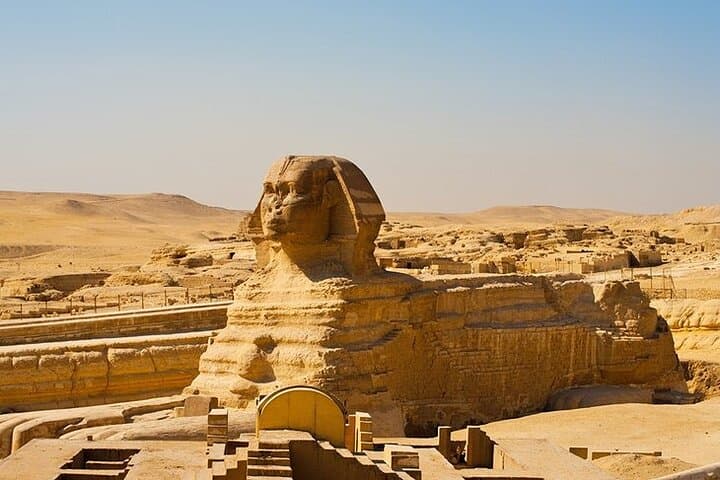
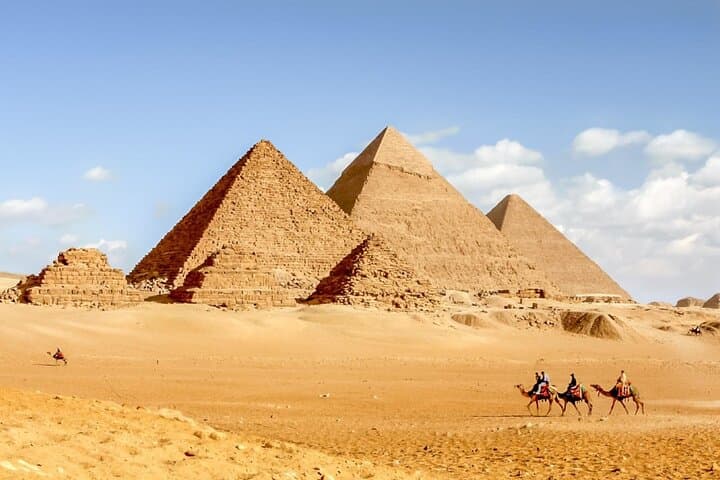
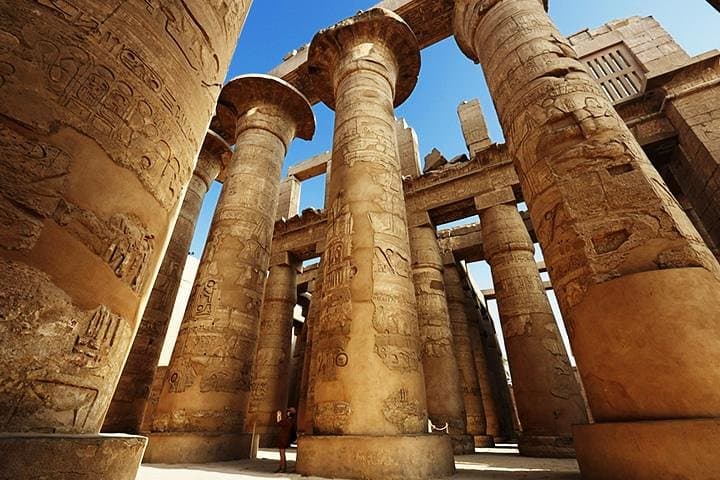
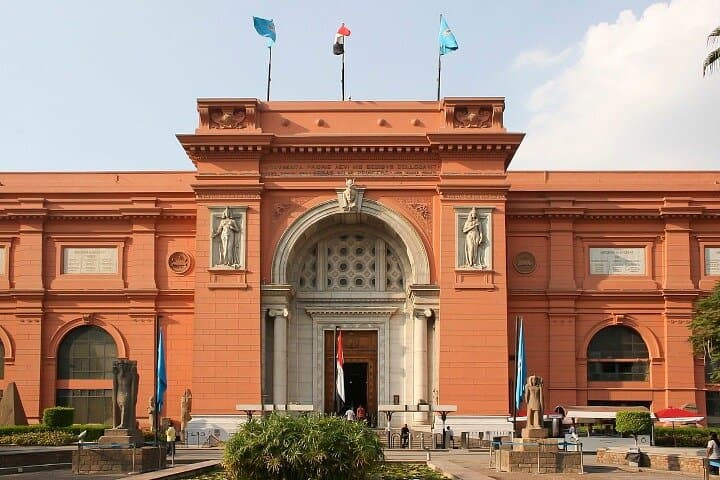
Dawn in Hurghada gives way to airport lights and the rush of an early domestic flight; within hours the limestone silhouettes of Giza loom, and later the Nile unrolls past Luxor’s temple colonnades. This two-day private tour stitches Egypt’s most iconic sites into a focused itinerary: the three Great Pyramids and the Sphinx in Cairo, the Egyptian Museum’s Tutankhamun treasures, then an overnight transfer to Luxor to walk Karnak, cross the Nile by felucca, and descend into the Valley of the Kings.
Dawn in Hurghada gives way to airport lights and the rush of an early domestic flight; within hours the limestone silhouettes of Giza loom, and later the Nile unrolls past Luxor’s temple colonnades. This two-day private tour stitches Egypt’s most iconic sites into a focused itinerary: the three Great Pyramids and the Sphinx in Cairo, the Egyptian Museum’s Tutankhamun treasures, then an overnight transfer to Luxor to walk Karnak, cross the Nile by felucca, and descend into the Valley of the Kings.
These monuments span millennia: the Giza necropolis dates to the Fourth Dynasty (~4,500 years ago), while Luxor’s Karnak complex accumulated pharaonic additions across the New Kingdom. Geology matters here—the pyramids are built from local Tura limestone and Aswan granite, and the Nile’s slow freight of silt carved the fertile corridor that supported ancient cities. Cultural notes: tomb decoration follows strict ritual iconography; local guides translate symbols and the practical rules—no touching, no tripods in some tombs, and limited flash photography.
Practical guidance: expect long days with seated transfers and short walks over uneven stone, steps, and sand. Bring a passport (required for tomb entry and domestic flights), comfortable walking shoes, sun protection, and a small daypack. Hydrate frequently; bottled water is widely available. Timing matters—mornings are cooler and less crowded at open-air sites. For a smooth trip, keep photocopies of travel documents on hand and follow your guide’s advice on accessing tombs and museum exhibits.