THE ADVENTURE COLLECTIVE® · Independent discovery and booking for outdoor travel

Two full days from Salta take you through the Cuesta del Obispo, Los Cardones National Park and the UNESCO-listed Quebrada de Humahuaca. Expect long scenic drives, short cultural stops in Cachi, Purmamarca and Tilcara, and dramatic highland geology.
Two full days from Salta take you through the Cuesta del Obispo, Los Cardones National Park and the UNESCO-listed Quebrada de Humahuaca. Expect long scenic drives, short cultural stops in Cachi, Purmamarca and Tilcara, and dramatic highland geology.
The bus eases out of Salta before dawn, Lerma Valley rolling away as the road climbs toward the Cuesta del Obispo. Mountains tighten around you and the air thins; Los Cardones National Park marches past in ranks of columnar cacti that seem to stand watch over the high desert. By midday the colonial streets of Cachi unfurl—whitewashed walls, cobbles underfoot and a mountain that keeps its winter cap all year.
Verified experiences and guided adventures in the surrounding area.
Operated by La Quebrada Turismo · Salta, Salta Province
The bus eases out of Salta before dawn, Lerma Valley rolling away as the road climbs toward the Cuesta del Obispo. Mountains tighten around you and the air thins; Los Cardones National Park marches past in ranks of columnar cacti that seem to stand watch over the high desert. By midday the colonial streets of Cachi unfurl—whitewashed walls, cobbles underfoot and a mountain that keeps its winter cap all year.
This two-day route threads living history and raw geology. The Quebrada de Humahuaca is a UNESCO-listed ravine carved by millennia of wind and rain; its rainbow strata—most famous at Purmamarca’s Hill of Seven Colors—record ancient seas and mineral-rich sediments. Tilcara’s Pucará recalls pre-Columbian highland defenses while local ceramics and church facades speak to a layered colonial and indigenous culture.
Expect lots of road time punctuated by 20–120 minute stops for photos, markets and short walks. Altitudes reach roughly 3,400 m at Piedra del Molino, so sunlight bites harder and the breeze insists you add a layer. The terrain alternates paved roads with high-plateau views and dusty town streets.
Practical edge: hydrate early, carry cash for small markets, and plan lunch windows in Cachi and Humahuaca. Comfortable walking shoes and a windproof jacket make long stops more enjoyable. Cameras, a charged phone and a small daypack will keep you ready for sudden vistas or roadside markets. The trip suits curious travelers who want intensive cultural sights and geological spectacle over two full, rewarding days.
moderate.
2 days (approx. 8–9 hours per day).
Suitable for travelers in average fitness who can handle several hours of sitting and short walks at high altitude.
Expect roughly 8–9 hours on the bus each day with multiple short photo and market stops and one or two longer lunch breaks.
Lunches are not included; the itinerary provides 2-hour windows in Cachi and Humahuaca to eat independently and explore local menus.
Some sites reach about 3,400 m; most travelers experience mild breathlessness—allow time to acclimatize, hydrate and avoid heavy exertion the first day.
Yes. The tour schedules technical stops in towns like Chicoana, El Carril and roadside services; use them when offered as services are sparse between towns.
The Quebrada de Humahuaca corridor has been a trade and pilgrimage route for millennia and was declared a UNESCO World Heritage Site for its cultural landscape and pre-Columbian history.
Visitors should stick to paths and avoid disturbing archaeological sites; highland ecosystems are fragile, so carry out waste and limit single-use plastics.
La Quebrada Turismo operates guided outdoor trips and adventures with an emphasis on safety, stewardship, and memorable experiences.
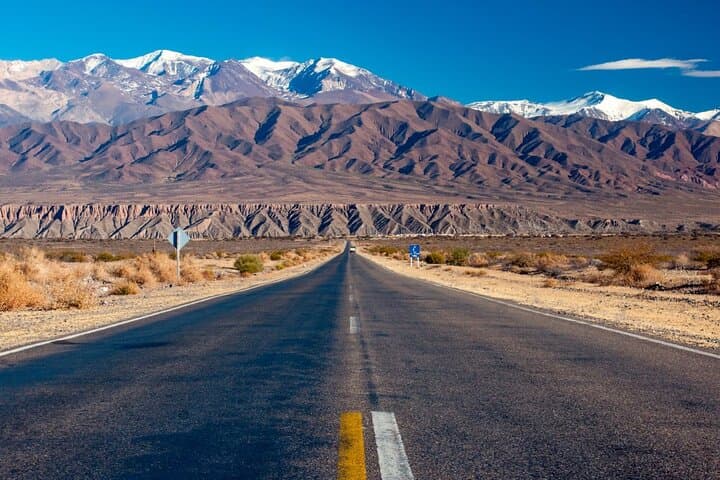
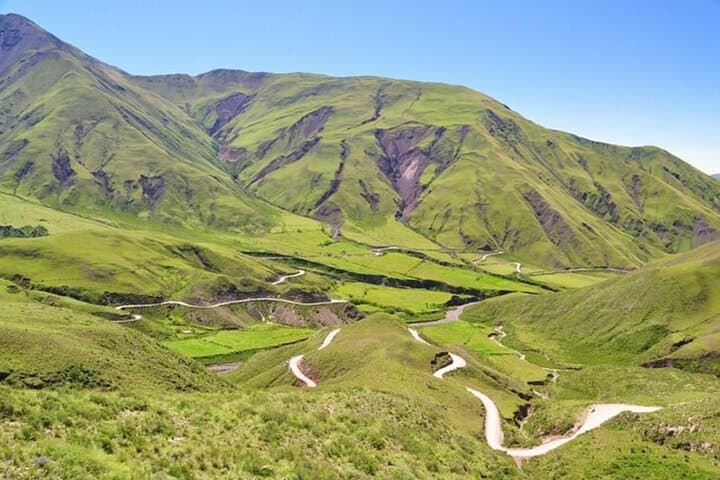
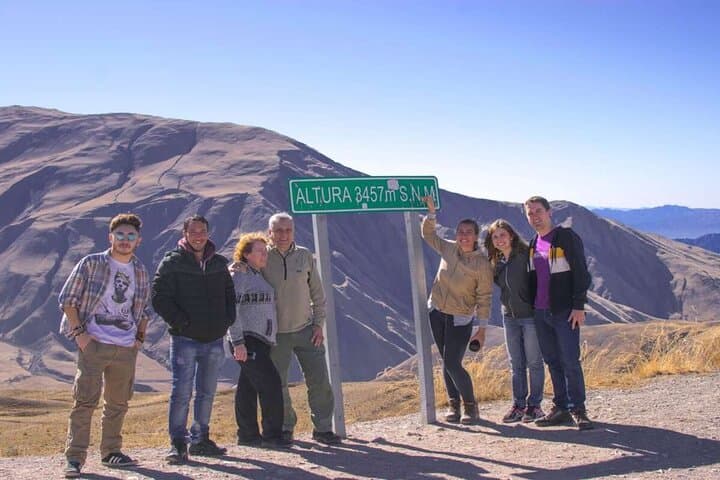
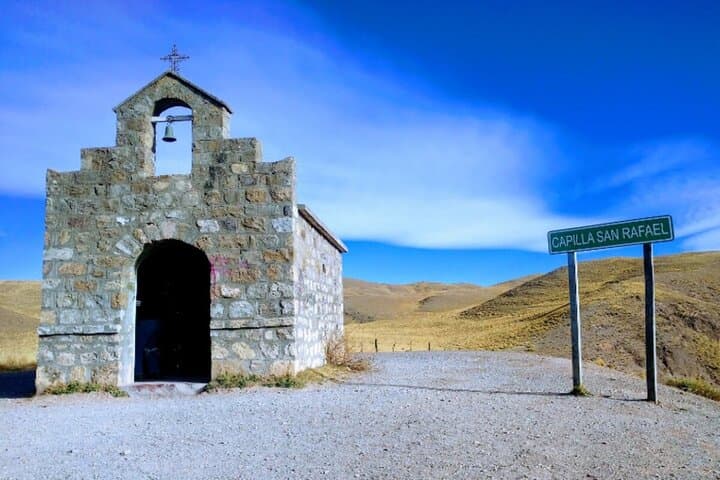
The bus eases out of Salta before dawn, Lerma Valley rolling away as the road climbs toward the Cuesta del Obispo. Mountains tighten around you and the air thins; Los Cardones National Park marches past in ranks of columnar cacti that seem to stand watch over the high desert. By midday the colonial streets of Cachi unfurl—whitewashed walls, cobbles underfoot and a mountain that keeps its winter cap all year.
The bus eases out of Salta before dawn, Lerma Valley rolling away as the road climbs toward the Cuesta del Obispo. Mountains tighten around you and the air thins; Los Cardones National Park marches past in ranks of columnar cacti that seem to stand watch over the high desert. By midday the colonial streets of Cachi unfurl—whitewashed walls, cobbles underfoot and a mountain that keeps its winter cap all year.
This two-day route threads living history and raw geology. The Quebrada de Humahuaca is a UNESCO-listed ravine carved by millennia of wind and rain; its rainbow strata—most famous at Purmamarca’s Hill of Seven Colors—record ancient seas and mineral-rich sediments. Tilcara’s Pucará recalls pre-Columbian highland defenses while local ceramics and church facades speak to a layered colonial and indigenous culture.
Expect lots of road time punctuated by 20–120 minute stops for photos, markets and short walks. Altitudes reach roughly 3,400 m at Piedra del Molino, so sunlight bites harder and the breeze insists you add a layer. The terrain alternates paved roads with high-plateau views and dusty town streets.
Practical edge: hydrate early, carry cash for small markets, and plan lunch windows in Cachi and Humahuaca. Comfortable walking shoes and a windproof jacket make long stops more enjoyable. Cameras, a charged phone and a small daypack will keep you ready for sudden vistas or roadside markets. The trip suits curious travelers who want intensive cultural sights and geological spectacle over two full, rewarding days.