THE ADVENTURE COLLECTIVE® · Independent discovery and booking for outdoor travel

Two full-day excursions link the bold sandstone canyons of the Quebrada de las Conchas with high-altitude vineyards and colonial Cachi. Expect dramatic geology, short viewpoint hikes, wine tastings in Cafayate and wide-open Andean skies.
Two full-day excursions link the bold sandstone canyons of the Quebrada de las Conchas with high-altitude vineyards and colonial Cachi. Expect dramatic geology, short viewpoint hikes, wine tastings in Cafayate and wide-open Andean skies.
You leave Salta before dawn and the road pulls you out of the city into a landscape that changes by the hour: ochre cliffs in sharp angles, river-cut amphitheaters and long shoulders of cacti that appear to lean with the wind. On day one the Quebrada de las Conchas announces itself with sculpted sandstone fins and narrow gorges that force the bus to slow; by afternoon you’re in Cafayate, where high-altitude vineyards ripen a distinctive Torrontés under dry skies.
Verified experiences and guided adventures in the surrounding area.
Operated by AGENCIA DE TURISMO TIAMAR EVT · Cafayate, Salta
You leave Salta before dawn and the road pulls you out of the city into a landscape that changes by the hour: ochre cliffs in sharp angles, river-cut amphitheaters and long shoulders of cacti that appear to lean with the wind. On day one the Quebrada de las Conchas announces itself with sculpted sandstone fins and narrow gorges that force the bus to slow; by afternoon you’re in Cafayate, where high-altitude vineyards ripen a distinctive Torrontés under dry skies.
These two full-day excursions stitch together distinct chapters of the Calchaquí Valleys. The geology is recent and bold—sedimentary layers lifted and tilted, then carved by flash floods into hoodoos, domes and amphitheaters. Culturally, the route follows old caravan paths between puna and valley: whitewashed colonial Cachi preserves adobe streets, while Cafayate has a living wine culture built on terraces and local bodegas.
Expect lots of driving with frequent short stops to hike viewpoints, take photos and visit small towns. Terrain is mostly paved and graded dirt roads; most walking is easy but some viewpoints require short uphill sections (10–30 minutes). Altitude varies—Cafayate ~1,700 m, Cachi higher—so slow your pace, hydrate, and wear sun protection. The operator provides air-conditioned transport and optional shorter walks, making the itinerary accessible to a broad range of travelers.
Practical bits: book morning departures to catch soft light in the Quebrada, carry cash for small shops and tastings, layer for a hot day and cool evening, and bring a refillable water bottle—altitude and dry air make hydration the best travel hack here.
easy.
2 days (approx. 48 hours).
Light fitness; able to board vehicle and walk short uphill sections of 10–30 minutes.
Expect most of each day in an air‑conditioned vehicle with multiple short stops—the itinerary covers long distances between Salta, Cafayate and Cachi but walking segments are brief.
Many itineraries include visits to bodegas or offer optional tastings; confirm inclusion at booking and carry small cash for purchases.
The tour is marketed as suitable for all fitness levels; most stops are accessible but some viewpoints have short uphill walks—check mobility needs with the operator.
If you have cardiovascular or respiratory concerns, consult a doctor before travel; drink water, avoid heavy exertion on arrival and ascend gradually where possible.
The Calchaquí Valleys were long-traveled routes between high puna communities and lowland regions; Spanish colonial towns like Cachi reflect 17th–18th century settlement patterns.
Tourism concentrates in sensitive dryland ecosystems—stick to marked viewpoints, avoid disturbing cactus stands such as those in Los Cardones National Park, and pack out waste.
AGENCIA DE TURISMO TIAMAR EVT operates guided outdoor trips and adventures with an emphasis on safety, stewardship, and memorable experiences.
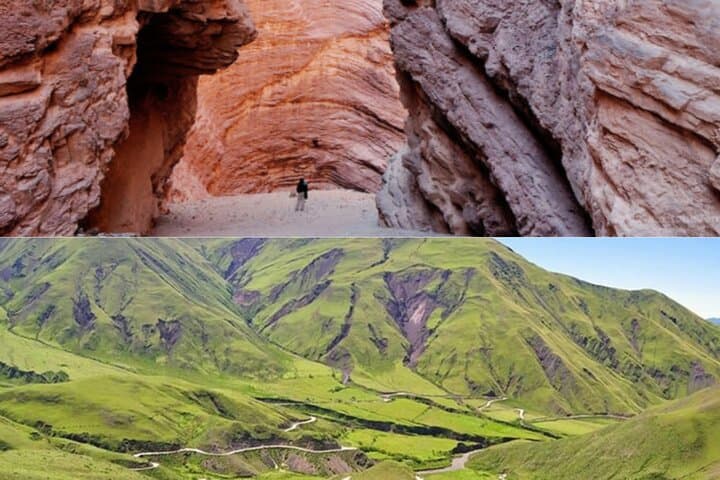
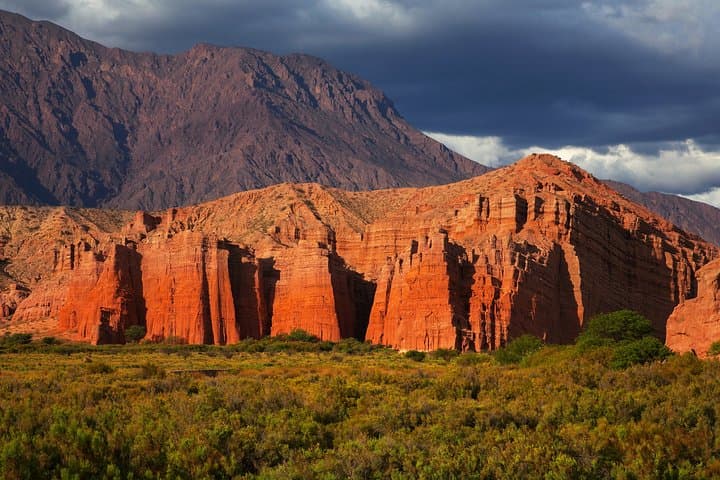
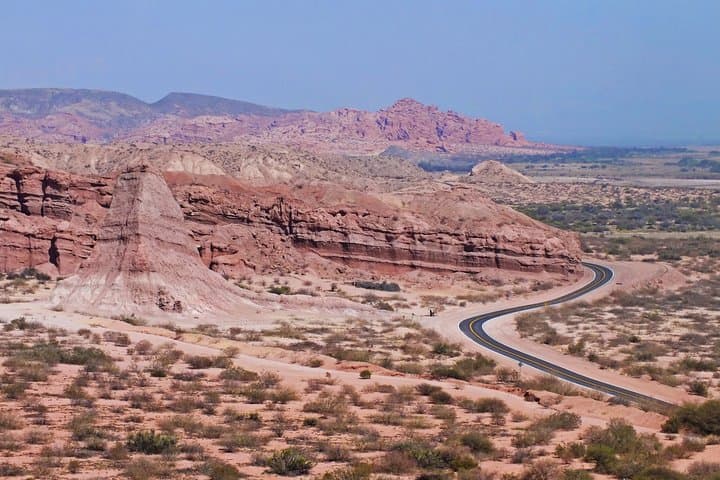
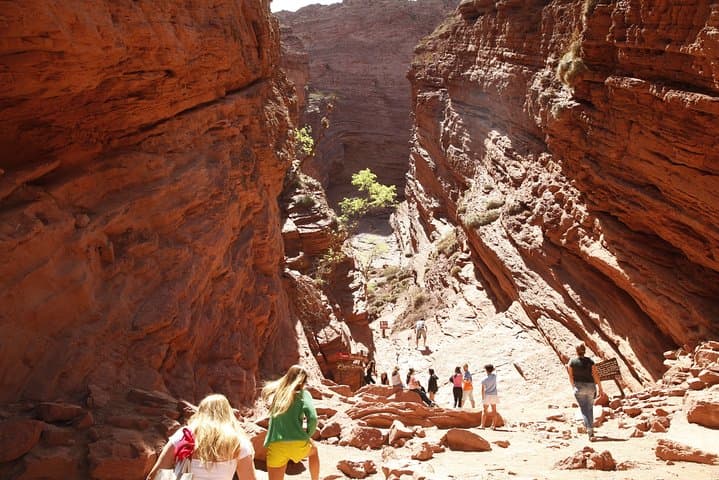
You leave Salta before dawn and the road pulls you out of the city into a landscape that changes by the hour: ochre cliffs in sharp angles, river-cut amphitheaters and long shoulders of cacti that appear to lean with the wind. On day one the Quebrada de las Conchas announces itself with sculpted sandstone fins and narrow gorges that force the bus to slow; by afternoon you’re in Cafayate, where high-altitude vineyards ripen a distinctive Torrontés under dry skies.
You leave Salta before dawn and the road pulls you out of the city into a landscape that changes by the hour: ochre cliffs in sharp angles, river-cut amphitheaters and long shoulders of cacti that appear to lean with the wind. On day one the Quebrada de las Conchas announces itself with sculpted sandstone fins and narrow gorges that force the bus to slow; by afternoon you’re in Cafayate, where high-altitude vineyards ripen a distinctive Torrontés under dry skies.
These two full-day excursions stitch together distinct chapters of the Calchaquí Valleys. The geology is recent and bold—sedimentary layers lifted and tilted, then carved by flash floods into hoodoos, domes and amphitheaters. Culturally, the route follows old caravan paths between puna and valley: whitewashed colonial Cachi preserves adobe streets, while Cafayate has a living wine culture built on terraces and local bodegas.
Expect lots of driving with frequent short stops to hike viewpoints, take photos and visit small towns. Terrain is mostly paved and graded dirt roads; most walking is easy but some viewpoints require short uphill sections (10–30 minutes). Altitude varies—Cafayate ~1,700 m, Cachi higher—so slow your pace, hydrate, and wear sun protection. The operator provides air-conditioned transport and optional shorter walks, making the itinerary accessible to a broad range of travelers.
Practical bits: book morning departures to catch soft light in the Quebrada, carry cash for small shops and tastings, layer for a hot day and cool evening, and bring a refillable water bottle—altitude and dry air make hydration the best travel hack here.