THE ADVENTURE COLLECTIVE® · Independent discovery and booking for outdoor travel

Spend two efficient days moving by bullet train from Zhengzhou to Jinan’s famed springs and on to Qufu, Confucius’s hometown. This private tour pairs fast travel with guided visits to Baotu Spring, Daming Lake and Confucian UNESCO sites.
Spend two efficient days moving by bullet train from Zhengzhou to Jinan’s famed springs and on to Qufu, Confucius’s hometown. This private tour pairs fast travel with guided visits to Baotu Spring, Daming Lake and Confucian UNESCO sites.
A morning at Zhengzhou South Railway Station has the efficient, slightly electric hush of a city on the move: the bullet train’s sleek nose waits under fluorescent light, and within hours the landscape loosens into the softer plains of Shandong. On day one the tour deposits you amid the clear, steady springs of Jinan — Baotu Spring’s water holds a near-constant 18°C — and the reflective basin of Daming Lake, where willow-framed pavilions and stone bridges mark centuries of civic life.
Verified experiences and guided adventures in the surrounding area.
Operated by Unique Beijing Tours · Zhengzhou, Henan
A morning at Zhengzhou South Railway Station has the efficient, slightly electric hush of a city on the move: the bullet train’s sleek nose waits under fluorescent light, and within hours the landscape loosens into the softer plains of Shandong. On day one the tour deposits you amid the clear, steady springs of Jinan — Baotu Spring’s water holds a near-constant 18°C — and the reflective basin of Daming Lake, where willow-framed pavilions and stone bridges mark centuries of civic life.
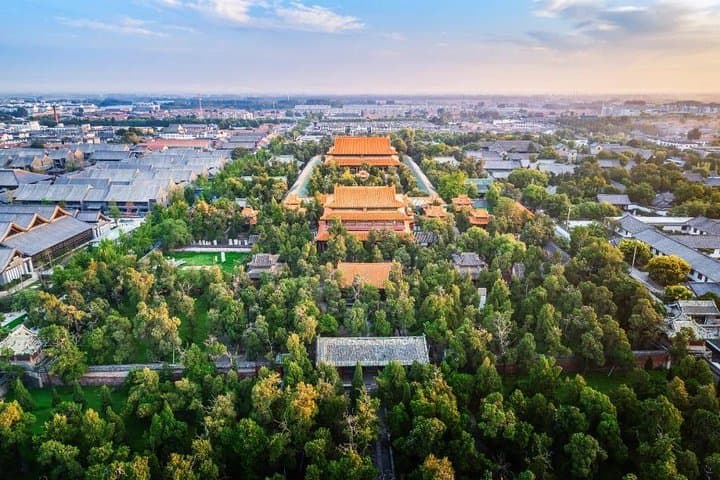
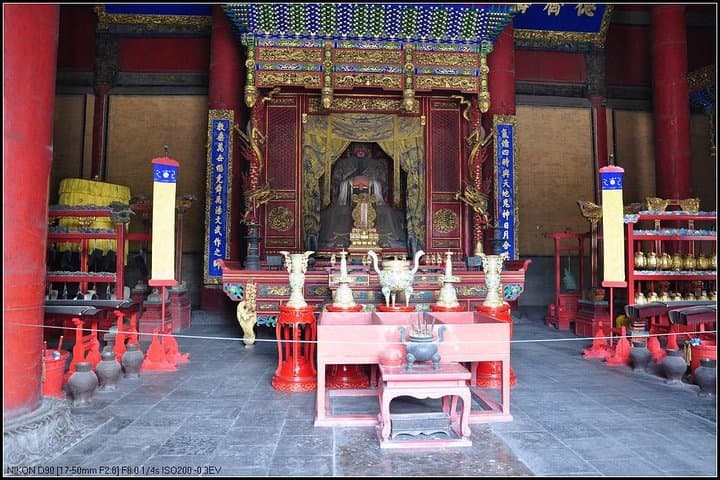
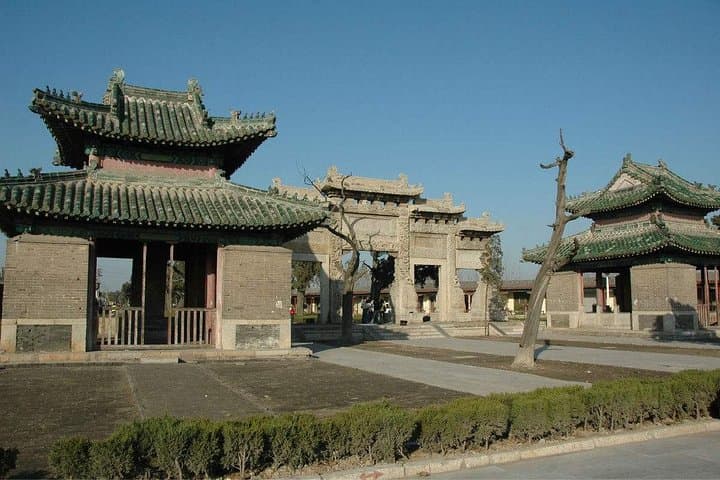
These sites sit on deep human stories: Baotu Spring is recorded in texts going back to the Shang era, and Daming Lake has long been a meeting ground for poets and officials. The following day shifts tone to Qufu, birthplace of Confucius — a compact UNESCO ensemble of temple, family mansion and cemetery that maps Confucian ritual across dynasties. The architecture reads like a timeline: Ming and Qing additions layered on earlier foundations, carved steles and formal courtyards that still shape local identity.
Practicalities are straightforward. The trip is private and guided in English, includes bullet-train tickets and lunches, and requires a bit of walking on mostly paved paths and stone steps; comfortable shoes and a daypack are sufficient. Timing favors morning trains to avoid crowds at major sites; carry water, a rain shell in spring/fall, and your passport for booking and entry. For a compact cultural immersion, this two-day circuit balances efficient transit with enough on-site time to appreciate both Jinan’s springs and Qufu’s Confucian grounds.
easy.
2 days.
Suitable for most travelers; involves several hours of walking each day on mostly even surfaces and stairs.
No — the tour includes trains, guide, entrances and lunches; hotels are self-booked (first night in Jinan is recommended).
Yes — the itinerary is paced and described as physically easy, though it involves walking and stairs; infants must sit on laps for train segments if applicable.
The tour lists an English-speaking guide; confirm at booking if you require another language or translation assistance.
Yes — entrance fees for listed attractions are included in the tour price as described.
Jinan’s Baotu Spring has recorded references dating to the Shang dynasty, while Qufu preserves centuries of Confucian ritual through its temple, family mansion and cemetery.
These spring-fed parks and UNESCO sites are sensitive to crowding—stay on marked paths, avoid littering, and support local conservation fees when offered.
Unique Beijing Tours operates guided outdoor trips and adventures with an emphasis on safety, stewardship, and memorable experiences.
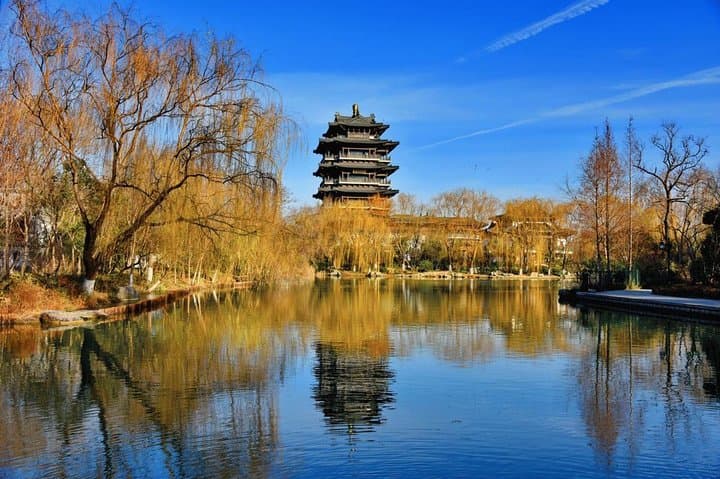
A morning at Zhengzhou South Railway Station has the efficient, slightly electric hush of a city on the move: the bullet train’s sleek nose waits under fluorescent light, and within hours the landscape loosens into the softer plains of Shandong. On day one the tour deposits you amid the clear, steady springs of Jinan — Baotu Spring’s water holds a near-constant 18°C — and the reflective basin of Daming Lake, where willow-framed pavilions and stone bridges mark centuries of civic life.
A morning at Zhengzhou South Railway Station has the efficient, slightly electric hush of a city on the move: the bullet train’s sleek nose waits under fluorescent light, and within hours the landscape loosens into the softer plains of Shandong. On day one the tour deposits you amid the clear, steady springs of Jinan — Baotu Spring’s water holds a near-constant 18°C — and the reflective basin of Daming Lake, where willow-framed pavilions and stone bridges mark centuries of civic life.
These sites sit on deep human stories: Baotu Spring is recorded in texts going back to the Shang era, and Daming Lake has long been a meeting ground for poets and officials. The following day shifts tone to Qufu, birthplace of Confucius — a compact UNESCO ensemble of temple, family mansion and cemetery that maps Confucian ritual across dynasties. The architecture reads like a timeline: Ming and Qing additions layered on earlier foundations, carved steles and formal courtyards that still shape local identity.
Practicalities are straightforward. The trip is private and guided in English, includes bullet-train tickets and lunches, and requires a bit of walking on mostly paved paths and stone steps; comfortable shoes and a daypack are sufficient. Timing favors morning trains to avoid crowds at major sites; carry water, a rain shell in spring/fall, and your passport for booking and entry. For a compact cultural immersion, this two-day circuit balances efficient transit with enough on-site time to appreciate both Jinan’s springs and Qufu’s Confucian grounds.