THE ADVENTURE COLLECTIVE® · Independent discovery and booking for outdoor travel

Two days of focused game drives take you from Tarangire’s baobab‑studded river plains to the volcanic bowl of Ngorongoro Crater. Ideal for travelers who want concentrated wildlife viewing on a compact schedule.
Two days of focused game drives take you from Tarangire’s baobab‑studded river plains to the volcanic bowl of Ngorongoro Crater. Ideal for travelers who want concentrated wildlife viewing on a compact schedule.
Dawn pours gold across cracked earth as the pop-up roof of a private 4x4 breaks the silhouette of acacia and baobab in Tarangire. The guide scans the horizon; a family of elephants rumbles toward the river while guinea fowl scatter underfoot. That first morning sets the rhythm: close-up wildlife viewing from a raised seat, punctuated by the hush of the bush and the hiss of tires on red soil.
Verified experiences and guided adventures in the surrounding area.
Operated by Swahili Safari Escape · Arusha, Arusha
Dawn pours gold across cracked earth as the pop-up roof of a private 4x4 breaks the silhouette of acacia and baobab in Tarangire. The guide scans the horizon; a family of elephants rumbles toward the river while guinea fowl scatter underfoot. That first morning sets the rhythm: close-up wildlife viewing from a raised seat, punctuated by the hush of the bush and the hiss of tires on red soil.
Tarangire’s lifeblood is its river and seasonal floodplains—landscapes shaped by sediment and seasonal water. Ngorongoro is different: a collapsed volcano whose caldera floor sits roughly 600 m below the rim and spans about 20 km across, creating a concentrated wildlife arena that earned UNESCO status. Maasai communities share this region’s history, grazing cattle along crater edges and reading the land in ways visitors come to respect.
Practical guidance: the loop runs from Arusha (pick‑up included) with about 2–3 hours to Tarangire (≈120 km) and 3–4 hours to Ngorongoro (≈170–190 km). Expect long game‑drive days (4–9 hours total driving and viewing), early starts, and bumpy graded roads. Bring layered clothing—the crater floor is 400–600 m lower and can feel cooler in the morning—plus sun protection, refillable water, and a camera with zoom. Park fees and picnic lunches are handled on this private itinerary; binoculars are provided but a personal pair speeds sightings.
Read vehicle safety briefings, follow your guide’s instructions around wildlife, and plan for full days of slow, patient observation—this is a safari of presence, where the landscape and its animals set the pace.
moderate.
2 days.
Suitable for most fitness levels; expect long periods seated in a 4x4 and short walks at viewpoints
This private tour lists all fees and taxes as included—confirm at booking but most departures cover park fees and conservation levies.
Expect roughly 2–3 hours from Arusha to Tarangire (≈120 km) and about 3–4 hours to Ngorongoro (≈170–190 km) with stops en route.
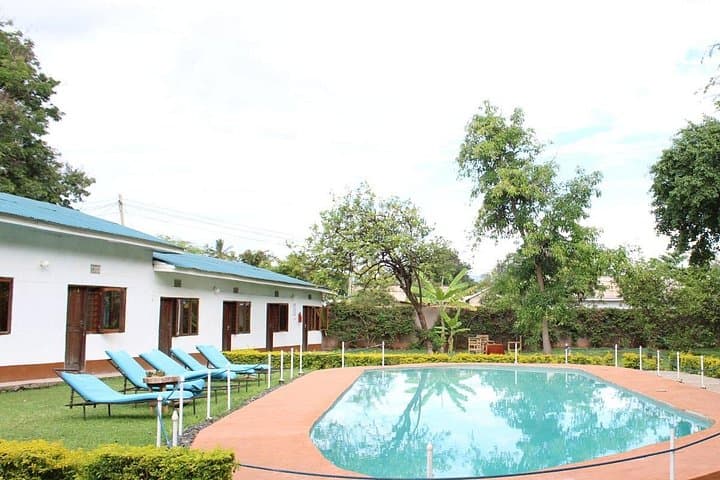
The tour includes budget lodge accommodation with a pool for one night; full details are confirmed at booking.
The tour accepts families but notes it’s not recommended for travelers with serious spinal or cardiovascular issues due to long drives and bumpy roads.
Ngorongoro formed from a volcanic collapse roughly 2–3 million years ago and today holds dense populations of wildlife; Tarangire’s name comes from the river that sustains its seasonal migrations.
The area balances tourism and protection through regulated park fees, guided access, and anti‑poaching efforts—stay on tracks and follow guides to minimize impact.
Swahili Safari Escape operates guided outdoor trips and adventures with an emphasis on safety, stewardship, and memorable experiences.
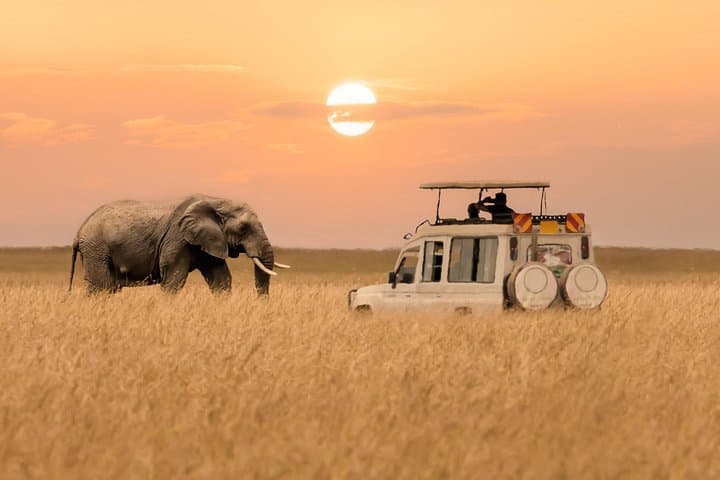
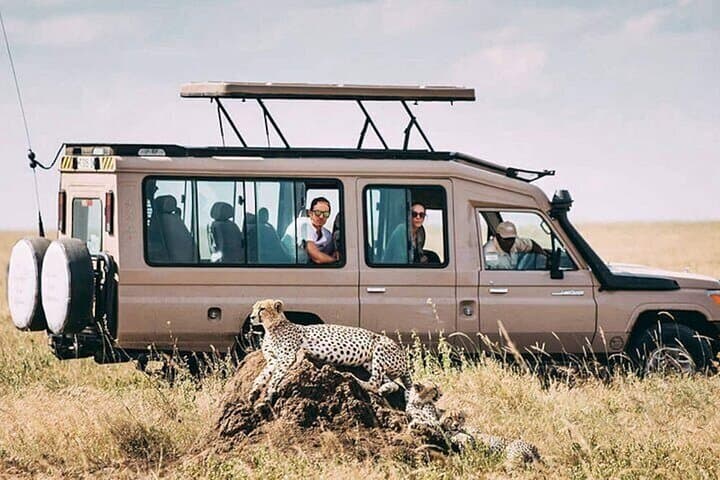
Dawn pours gold across cracked earth as the pop-up roof of a private 4x4 breaks the silhouette of acacia and baobab in Tarangire. The guide scans the horizon; a family of elephants rumbles toward the river while guinea fowl scatter underfoot. That first morning sets the rhythm: close-up wildlife viewing from a raised seat, punctuated by the hush of the bush and the hiss of tires on red soil.
Dawn pours gold across cracked earth as the pop-up roof of a private 4x4 breaks the silhouette of acacia and baobab in Tarangire. The guide scans the horizon; a family of elephants rumbles toward the river while guinea fowl scatter underfoot. That first morning sets the rhythm: close-up wildlife viewing from a raised seat, punctuated by the hush of the bush and the hiss of tires on red soil.
Tarangire’s lifeblood is its river and seasonal floodplains—landscapes shaped by sediment and seasonal water. Ngorongoro is different: a collapsed volcano whose caldera floor sits roughly 600 m below the rim and spans about 20 km across, creating a concentrated wildlife arena that earned UNESCO status. Maasai communities share this region’s history, grazing cattle along crater edges and reading the land in ways visitors come to respect.
Practical guidance: the loop runs from Arusha (pick‑up included) with about 2–3 hours to Tarangire (≈120 km) and 3–4 hours to Ngorongoro (≈170–190 km). Expect long game‑drive days (4–9 hours total driving and viewing), early starts, and bumpy graded roads. Bring layered clothing—the crater floor is 400–600 m lower and can feel cooler in the morning—plus sun protection, refillable water, and a camera with zoom. Park fees and picnic lunches are handled on this private itinerary; binoculars are provided but a personal pair speeds sightings.
Read vehicle safety briefings, follow your guide’s instructions around wildlife, and plan for full days of slow, patient observation—this is a safari of presence, where the landscape and its animals set the pace.