THE ADVENTURE COLLECTIVE® · Independent discovery and booking for outdoor travel

Spend two compact days in Masai Mara where morning and evening game drives deliver big cats, wildebeest herds, and riverside drama. This budget-friendly safari focuses on short drives, lodge stays, and close wildlife encounters with practical tips for first-time visitors.
Spend two compact days in Masai Mara where morning and evening game drives deliver big cats, wildebeest herds, and riverside drama. This budget-friendly safari focuses on short drives, lodge stays, and close wildlife encounters with practical tips for first-time visitors.
The early truck grinds out of Nairobi before dawn and the savannah opens like a living map—gold grass rippling, acacia silhouettes puncturing the sky, and distant shapes shifting into lions and zebra.
Verified experiences and guided adventures in the surrounding area.
Operated by Tour Operator Kenya · Masai Mara, Narok County
The early truck grinds out of Nairobi before dawn and the savannah opens like a living map—gold grass rippling, acacia silhouettes puncturing the sky, and distant shapes shifting into lions and zebra.
Masai Mara National Reserve sits on the northern edge of the Serengeti ecosystem; its rolling plains are carved by ancient rivers and volcanic soils that support the grasses predators follow. The Maasai people have grazed and guarded these lands for generations, and the reserve itself was formalized in the mid-20th century to protect migrating herds and local livelihoods.
On a two-day budget safari you’ll spend long morning and late-afternoon game drives scanning for the Big Five, watching cheetahs tuck under vehicle shade, and tracking the choreography of wildebeest and zebra. The Mara River—famous for dramatic crossings—pushes life through the park, while kopjes (rock outcrops) punctuate the skyline and offer lookout points for surveying pride territories.
Expect dusty tracks and open-sided vehicles; wildlife encounters are sudden and intimate, not staged. Cultural exchanges with Maasai guides or village visits provide context—learn about pastoral life, beadwork, and community conservancies that balance tourism and grazing.
Practicalities: pack layers for cold pre-dawn starts, bring binoculars and a charged camera, and plan for long drives between sightings. Two full days gives a strong chance to see big cats and abundant birdlife, but keep expectations flexible—wildlife moves on its own timetable. Hydrate, respect vehicle limits around animals, and tip guides when service matches the experience.
easy.
2 days.
Minimal fitness required; participants should be able to climb into safari vehicles, endure bumpy roads and short guided walks.
The Mara sees the main migration crossing from July through October, with peak river crossings typically in July–September, though exact timing shifts yearly.
Yes, malaria risk exists—consult a travel clinic for prophylaxis, use mosquito repellent at night, and sleep under nets if provided.
Most visitors need a visa—check Kenya’s e-visa system—and routine vaccinations should be up to date; speak with a health provider for recommended travel vaccines.
This tour lists accommodations and meals in its inclusions, but confirm whether park entry and conservancy fees are covered before booking to avoid surprises.
The Maasai have inhabited these plains for centuries; the Masai Mara Reserve was established in the 20th century to protect migration routes and local pastoral livelihoods.
Community conservancies work with lodges to fund anti-poaching and habitat protection, and visitors can support local economies by choosing operators who contribute to these programs.
Tour Operator Kenya operates guided outdoor trips and adventures with an emphasis on safety, stewardship, and memorable experiences.
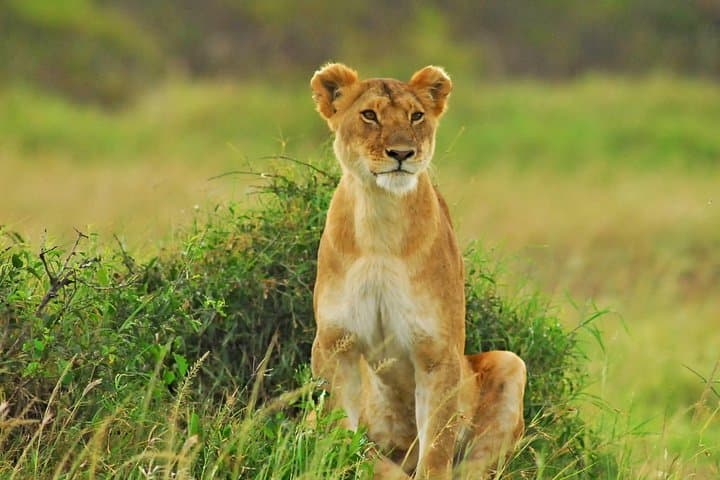
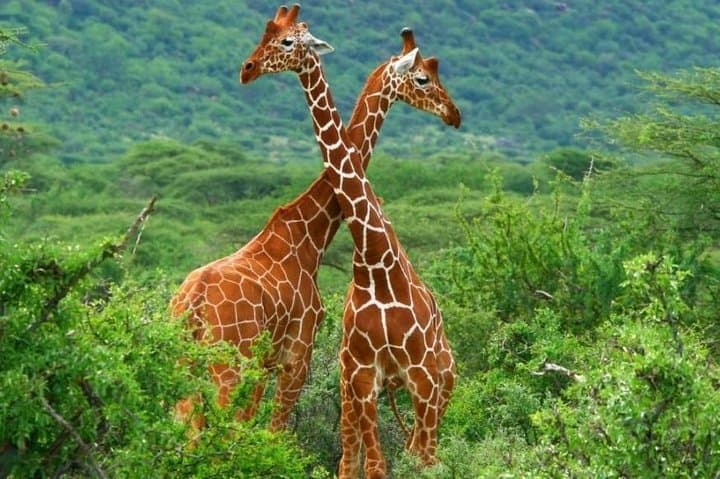
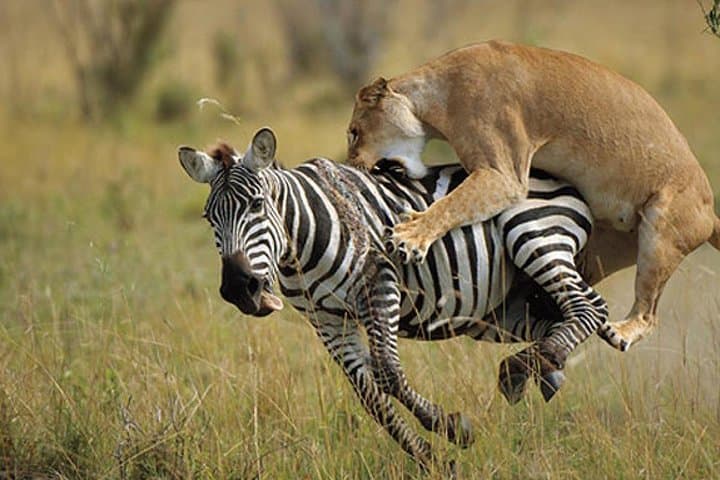
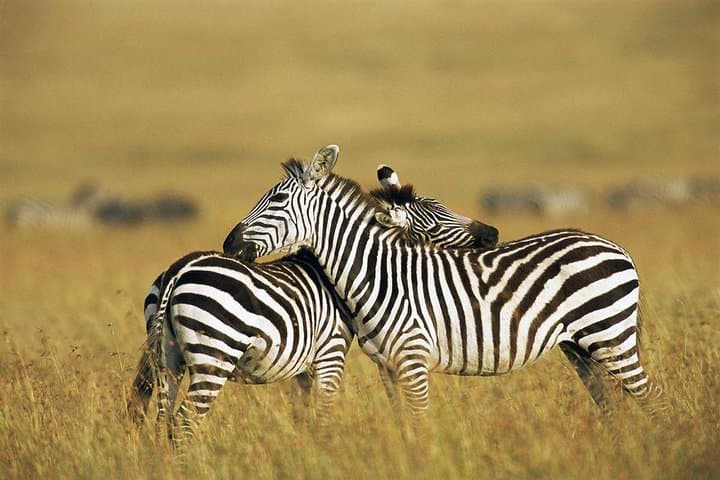
The early truck grinds out of Nairobi before dawn and the savannah opens like a living map—gold grass rippling, acacia silhouettes puncturing the sky, and distant shapes shifting into lions and zebra.
The early truck grinds out of Nairobi before dawn and the savannah opens like a living map—gold grass rippling, acacia silhouettes puncturing the sky, and distant shapes shifting into lions and zebra.
Masai Mara National Reserve sits on the northern edge of the Serengeti ecosystem; its rolling plains are carved by ancient rivers and volcanic soils that support the grasses predators follow. The Maasai people have grazed and guarded these lands for generations, and the reserve itself was formalized in the mid-20th century to protect migrating herds and local livelihoods.
On a two-day budget safari you’ll spend long morning and late-afternoon game drives scanning for the Big Five, watching cheetahs tuck under vehicle shade, and tracking the choreography of wildebeest and zebra. The Mara River—famous for dramatic crossings—pushes life through the park, while kopjes (rock outcrops) punctuate the skyline and offer lookout points for surveying pride territories.
Expect dusty tracks and open-sided vehicles; wildlife encounters are sudden and intimate, not staged. Cultural exchanges with Maasai guides or village visits provide context—learn about pastoral life, beadwork, and community conservancies that balance tourism and grazing.
Practicalities: pack layers for cold pre-dawn starts, bring binoculars and a charged camera, and plan for long drives between sightings. Two full days gives a strong chance to see big cats and abundant birdlife, but keep expectations flexible—wildlife moves on its own timetable. Hydrate, respect vehicle limits around animals, and tip guides when service matches the experience.