THE ADVENTURE COLLECTIVE® · Independent discovery and booking for outdoor travel

Two days of focused birding through the Eastern Rhodopes and Sakar take you from steppe ridgelines to cliff-side vulture feeding sites. Expect close raptor encounters, early starts, and practical local accommodations in Krumovgrad.
Two days of focused birding through the Eastern Rhodopes and Sakar take you from steppe ridgelines to cliff-side vulture feeding sites. Expect close raptor encounters, early starts, and practical local accommodations in Krumovgrad.
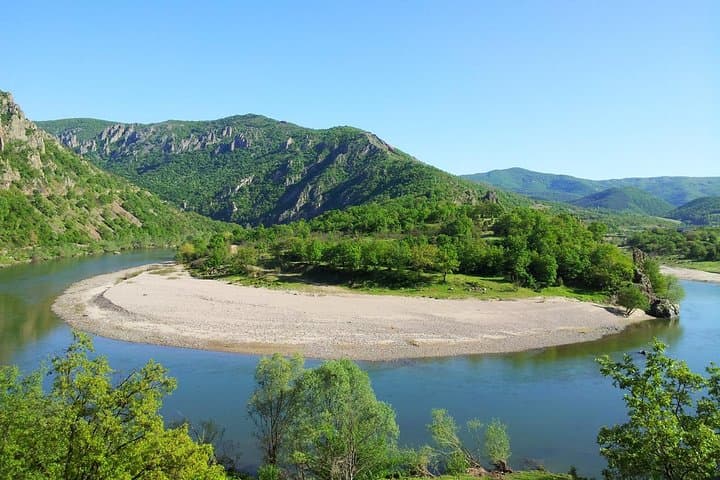
The trip opens with the van rolling into morning light, olive scrub passing like a slow film. You watch ridgelines of the Sakar hills unfold — low, rounded crests giving way to sharper cliffs of the Eastern Rhodopes — while the guide scans the horizon for a distant dark wingbeat. Field stops are short and focused: a roadside steppe for rollers and bee-eaters, a riverside cliff where vultures wheel like slow-moving shadows.
Verified experiences and guided adventures in the surrounding area.
Operated by Neophron Tours · Krumovgrad, Kardzhali Province
The trip opens with the van rolling into morning light, olive scrub passing like a slow film. You watch ridgelines of the Sakar hills unfold — low, rounded crests giving way to sharper cliffs of the Eastern Rhodopes — while the guide scans the horizon for a distant dark wingbeat. Field stops are short and focused: a roadside steppe for rollers and bee-eaters, a riverside cliff where vultures wheel like slow-moving shadows.
Geology and human history shape every view. The Eastern Rhodopes are an older, more eroded range where limestone cliffs and boulder-strewn slopes create nesting ledges; the Sakar is gentler, a patchwork of cereal fields, scrub and oak. The region combines Mediterranean and continental influences, reflected in both vegetation and the mix of species — from forest warblers to open-country larks. Small towns like Krumovgrad offer a pragmatic, local base with simple hotels and village parks that come alive at dusk.
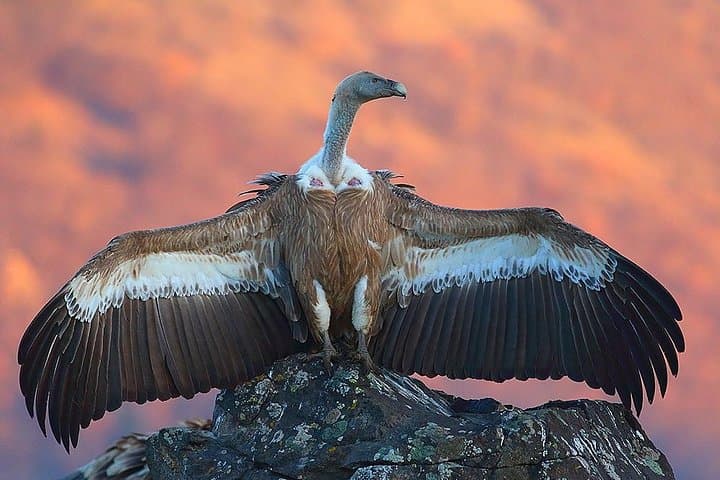
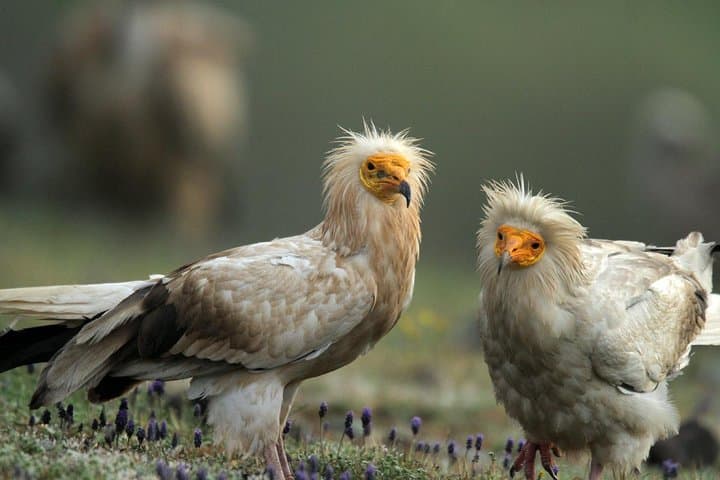
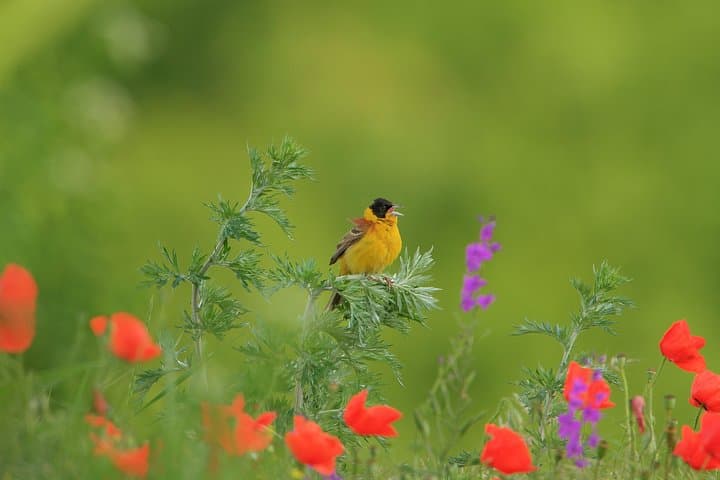
Birding highlights center on scavengers and raptors: Eurasian Griffon and Black Vultures at feeding sites, Egyptian Vulture and Eastern Imperial Eagle on cliffs, plus Black Stork and a chorus of smaller passerines. Morning visits to managed feeding tables deliver prolonged views; evenings can bring Eurasian Scops Owls in town parks.
Practically, expect two days of mostly vehicle-supported birding with short walks, early starts and some steep viewpoints. Bring optics, layered clothing for variable mountain-coast weather, and a compact scope if you have one. Respect feeding-site rules, keep noise low at cliff edges, and plan for basic overnight accommodation in Krumovgrad.
moderate.
2 days (about 8–10 hours of field time per day including drives).
Moderate fitness: short hikes and standing at viewpoints; mostly vehicle-supported but some uneven terrain.
Expect Eurasian Griffon Vulture and Eurasian Black Vulture as signature species, with good chances for Egyptian Vulture, Eastern Imperial Eagle and White-tailed Eagle, plus many passerines in the Sakar lowlands.
The tour is vehicle-based with short walks to viewpoints and feeding sites; participants should be comfortable with uneven ground and standing for extended observation periods.
Many feeding sites in the region are managed by conservation groups to support vulture populations; guides follow local protocols to minimize disturbance and reduce habituation to humans.
Overnight accommodation is in twin en-suite rooms in Krumovgrad (mid-standard). Breakfast is included and bottled water is provided; other meals depend on the itinerary and local stops.
The Rhodopes have long been a crossroads between Balkan, Thracian and Ottoman cultures; rural villages retain traditional stone architecture and pastoral land uses that shape bird habitats.
The area includes protected sites and community-run feeding initiatives for vultures; visitors should follow guide instructions, avoid disturbing nests, and minimize waste.
Neophron Tours operates guided outdoor trips and adventures with an emphasis on safety, stewardship, and memorable experiences.
The trip opens with the van rolling into morning light, olive scrub passing like a slow film. You watch ridgelines of the Sakar hills unfold — low, rounded crests giving way to sharper cliffs of the Eastern Rhodopes — while the guide scans the horizon for a distant dark wingbeat. Field stops are short and focused: a roadside steppe for rollers and bee-eaters, a riverside cliff where vultures wheel like slow-moving shadows.
The trip opens with the van rolling into morning light, olive scrub passing like a slow film. You watch ridgelines of the Sakar hills unfold — low, rounded crests giving way to sharper cliffs of the Eastern Rhodopes — while the guide scans the horizon for a distant dark wingbeat. Field stops are short and focused: a roadside steppe for rollers and bee-eaters, a riverside cliff where vultures wheel like slow-moving shadows.
Geology and human history shape every view. The Eastern Rhodopes are an older, more eroded range where limestone cliffs and boulder-strewn slopes create nesting ledges; the Sakar is gentler, a patchwork of cereal fields, scrub and oak. The region combines Mediterranean and continental influences, reflected in both vegetation and the mix of species — from forest warblers to open-country larks. Small towns like Krumovgrad offer a pragmatic, local base with simple hotels and village parks that come alive at dusk.
Birding highlights center on scavengers and raptors: Eurasian Griffon and Black Vultures at feeding sites, Egyptian Vulture and Eastern Imperial Eagle on cliffs, plus Black Stork and a chorus of smaller passerines. Morning visits to managed feeding tables deliver prolonged views; evenings can bring Eurasian Scops Owls in town parks.
Practically, expect two days of mostly vehicle-supported birding with short walks, early starts and some steep viewpoints. Bring optics, layered clothing for variable mountain-coast weather, and a compact scope if you have one. Respect feeding-site rules, keep noise low at cliff edges, and plan for basic overnight accommodation in Krumovgrad.