THE ADVENTURE COLLECTIVE® · Independent discovery and booking for outdoor travel

Trade Marrakech’s bustle for two days among Atlas foothill villages: argan cooperatives, the Tinmel Mosque, pottery workshops and a hands‑on tagine class framed by sweeping hillside views. Practical cultural immersion with light hiking and authentic meals.
Trade Marrakech’s bustle for two days among Atlas foothill villages: argan cooperatives, the Tinmel Mosque, pottery workshops and a hands‑on tagine class framed by sweeping hillside views. Practical cultural immersion with light hiking and authentic meals.
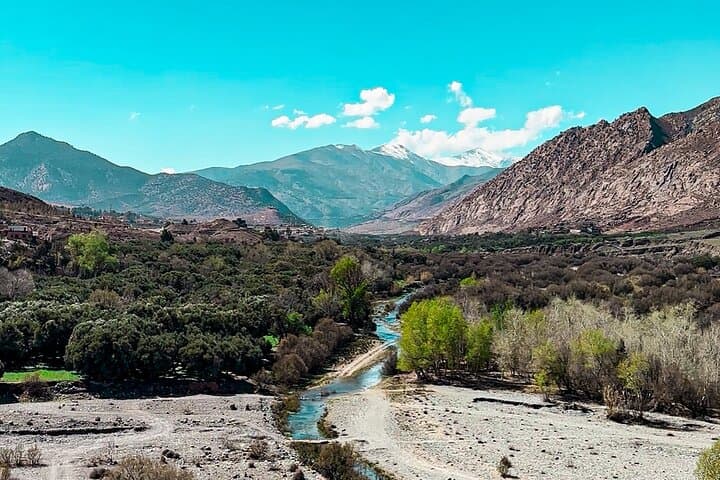
You leave the ochre walls of Marrakech at first light and the road climbs, trading city dust for the cool, scrubby foothills of the High Atlas. By midmorning the valley opens: stone villages cling to slopes, almond trees dot terraces, and the air carries wood smoke and the faint tang of argan. The first day moves at a slow, human pace—visits to a women’s argan cooperative and the 12th‑century Tinmel Mosque fold history into the landscape.
Verified experiences and guided adventures in the surrounding area.
Operated by TOURSART MOROCCO · Ijoukak, Marrakech-Safi
You leave the ochre walls of Marrakech at first light and the road climbs, trading city dust for the cool, scrubby foothills of the High Atlas. By midmorning the valley opens: stone villages cling to slopes, almond trees dot terraces, and the air carries wood smoke and the faint tang of argan. The first day moves at a slow, human pace—visits to a women’s argan cooperative and the 12th‑century Tinmel Mosque fold history into the landscape.
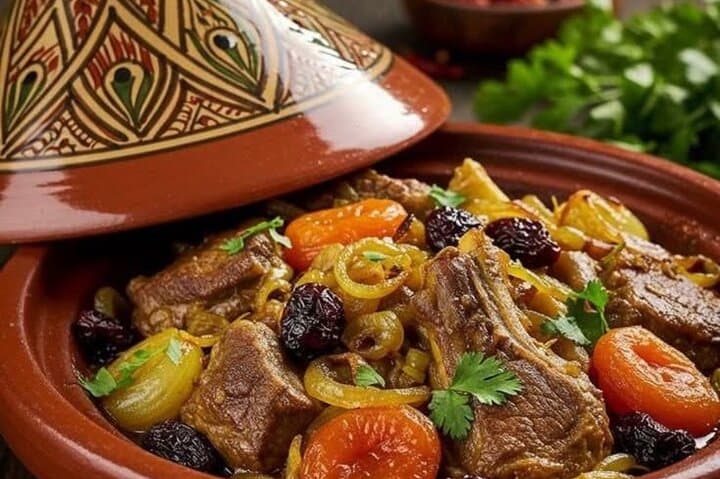
The second day turns hands‑on. Pottery wheel clay cools under calloused fingers while a local artisan walks you through traditional shapes; later a tagine class pulls flavors into conversation—preserved lemon, cumin, slow‑braised lamb—served against a ridge‑top view that demands you pause.
Geology here is readable: folded limestone and red conglomerate give the hills stepped profiles and quick, scenic drainage lines that cut gullies and short hiking routes ranging roughly 1–3 km with modest elevation gain (expect village trails that climb to 1,200–1,600 m). Culture is kinetic—Berber hospitality, language, and craft are lived, not staged.
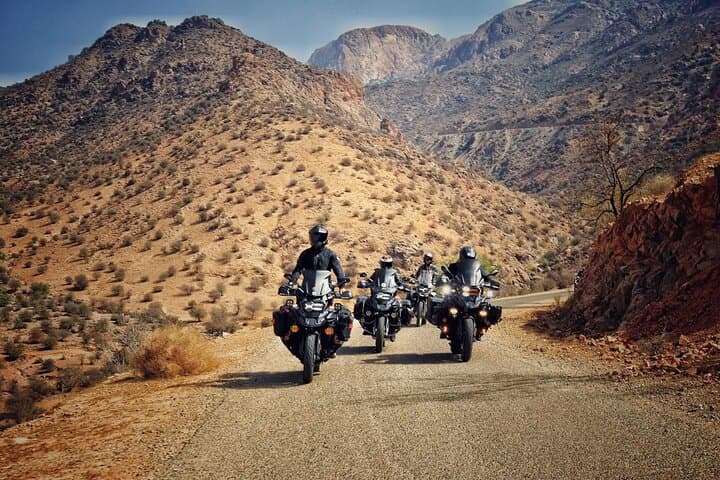
Practical edge: plan for two days of light-to-moderate activity with an overnight in a basic mountain hotel; early pickup from Marrakech (~2 hours, 34–40 km by road depending on route). Bring layered clothing for cool mornings, sturdy shoes for rocky footpaths, cash for small purchases, and a respectful curiosity—these visits support local artisans and small cooperatives.
moderate.
2 days.
Suitable for travelers with moderate fitness—able to walk short uphill sections and manage uneven village trails.
The transfer is roughly 1.5–2 hours (about 34–40 km depending on the route and traffic), with winding mountain roads—expect scenic but slower driving than highway averages.
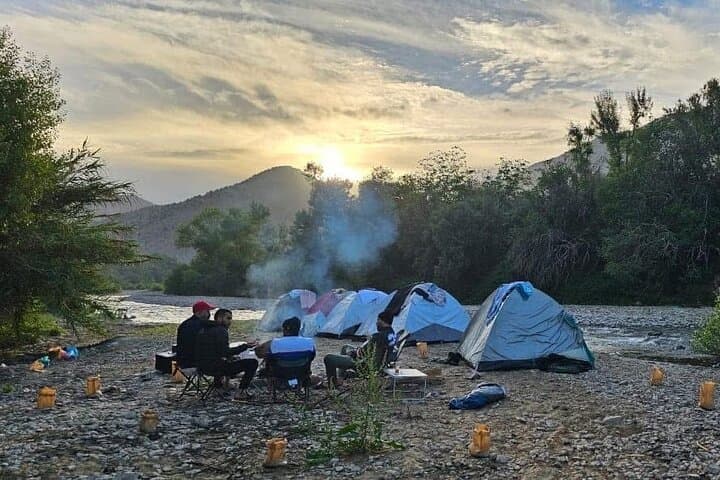
Yes—an overnight in a local hotel is included, typically a simple mountain lodge with meals provided as noted in the itinerary.
Infants are allowed but must sit on laps; the tour includes moderate walking and some stairs—consider mobility and comfort for young children.
Local hosts can usually adapt meals for common dietary needs with advance notice; indicate allergies or preferences when booking.
Tinmel Mosque marks the founding site of the Almohad movement in the 12th century under Ibn Tumart and influenced later Marrakech architecture.
Support local cooperatives and purchase directly from artisans; stay on established paths to reduce erosion and respect grazing areas.
TOURSART MOROCCO operates guided outdoor trips and adventures with an emphasis on safety, stewardship, and memorable experiences.
You leave the ochre walls of Marrakech at first light and the road climbs, trading city dust for the cool, scrubby foothills of the High Atlas. By midmorning the valley opens: stone villages cling to slopes, almond trees dot terraces, and the air carries wood smoke and the faint tang of argan. The first day moves at a slow, human pace—visits to a women’s argan cooperative and the 12th‑century Tinmel Mosque fold history into the landscape.
You leave the ochre walls of Marrakech at first light and the road climbs, trading city dust for the cool, scrubby foothills of the High Atlas. By midmorning the valley opens: stone villages cling to slopes, almond trees dot terraces, and the air carries wood smoke and the faint tang of argan. The first day moves at a slow, human pace—visits to a women’s argan cooperative and the 12th‑century Tinmel Mosque fold history into the landscape.
The second day turns hands‑on. Pottery wheel clay cools under calloused fingers while a local artisan walks you through traditional shapes; later a tagine class pulls flavors into conversation—preserved lemon, cumin, slow‑braised lamb—served against a ridge‑top view that demands you pause.
Geology here is readable: folded limestone and red conglomerate give the hills stepped profiles and quick, scenic drainage lines that cut gullies and short hiking routes ranging roughly 1–3 km with modest elevation gain (expect village trails that climb to 1,200–1,600 m). Culture is kinetic—Berber hospitality, language, and craft are lived, not staged.
Practical edge: plan for two days of light-to-moderate activity with an overnight in a basic mountain hotel; early pickup from Marrakech (~2 hours, 34–40 km by road depending on route). Bring layered clothing for cool mornings, sturdy shoes for rocky footpaths, cash for small purchases, and a respectful curiosity—these visits support local artisans and small cooperatives.