THE ADVENTURE COLLECTIVE® · Independent discovery and booking for outdoor travel

Cover two countries in 48 hours on a compact guided tour from Sofia. Explore Skopje’s Old Bazaar, Pristina’s controversial modernism, and Prizren’s Ottoman heart while traversing Balkan landscapes and layered histories.
Cover two countries in 48 hours on a compact guided tour from Sofia. Explore Skopje’s Old Bazaar, Pristina’s controversial modernism, and Prizren’s Ottoman heart while traversing Balkan landscapes and layered histories.
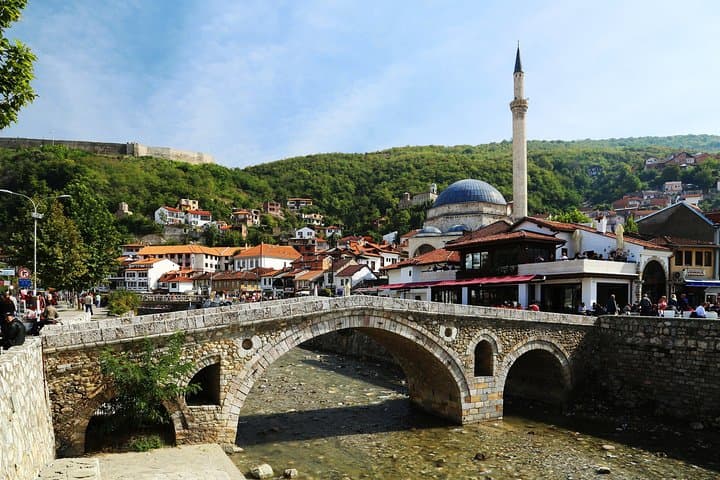
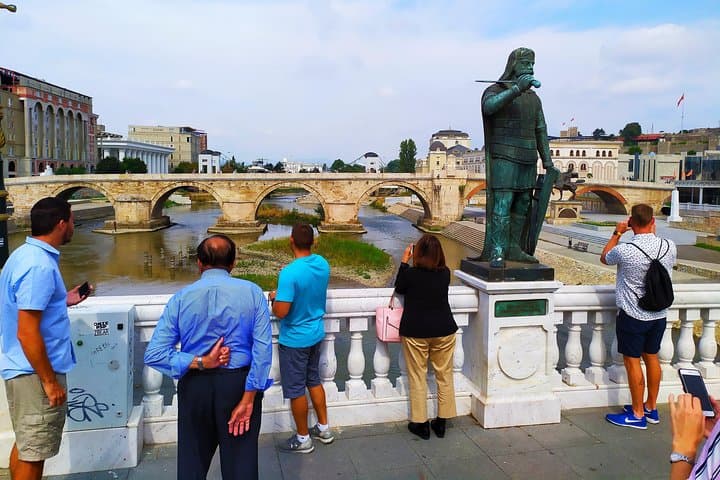
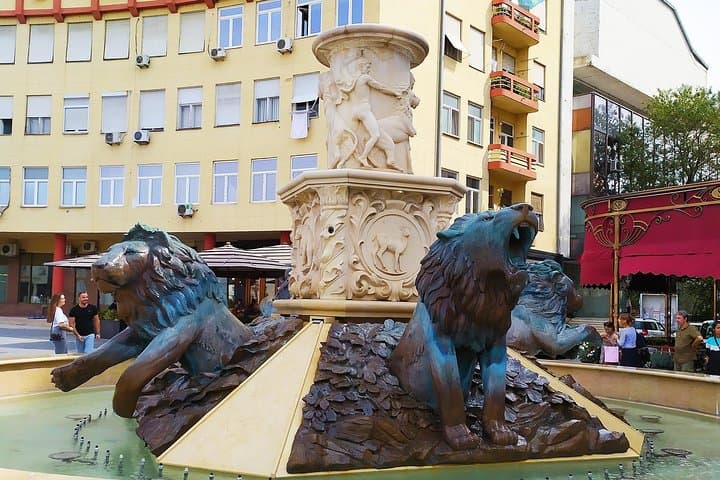
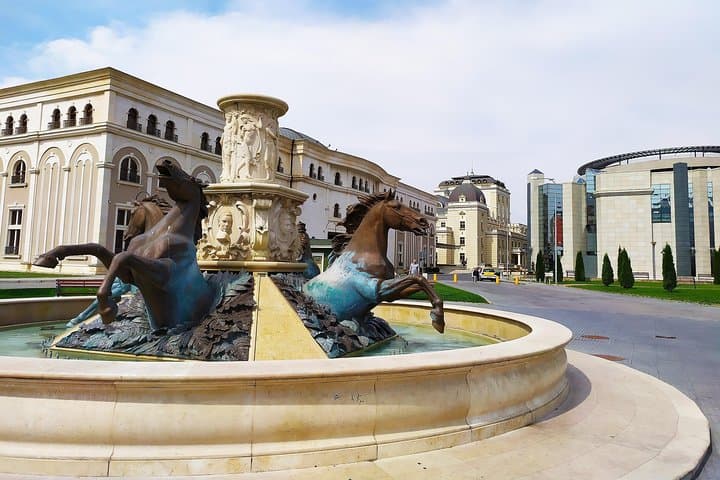
Morning air in Sofia still holds the city's coffee and tram exhaust when the minivan pulls away at 08:00, tires humming toward the borderlands. The first stretch is a study in rolling hills and limestone ridges—an open highway that narrows into the Vardar valley as the group approaches Skopje. Walking the Old Bazaar, the stones underfoot remember Ottoman caravans; minarets thread the skyline while a modern, neo-classical Macedonia Square proclaims more recent politics in bronze and marble.
Verified experiences and guided adventures in the surrounding area.
Operated by BulTrips · Sofia, Sofia City
Morning air in Sofia still holds the city's coffee and tram exhaust when the minivan pulls away at 08:00, tires humming toward the borderlands. The first stretch is a study in rolling hills and limestone ridges—an open highway that narrows into the Vardar valley as the group approaches Skopje. Walking the Old Bazaar, the stones underfoot remember Ottoman caravans; minarets thread the skyline while a modern, neo-classical Macedonia Square proclaims more recent politics in bronze and marble.
The itinerary stitches together eras: Ottoman caravanserais and 15th–17th century mosques in Skopje, Yugoslav-era memorials, the eccentric geometry of Pristina’s National Library, and Prizren’s cobbled riverside lined with timbered houses and a fortress draped over its ridge. Geology matters: rivers like the Bistrica and Vardar carved the trade routes that shaped settlements and fortified overlooks.
Culturally, visitors encounter contested histories—Albanian, Macedonian, Ottoman and Yugoslav narratives—each told differently by local guides. Expect brisk guided walks, short museum stops, and long driving segments between capitals.
Practical guidance: bring valid passports and check visa rules for border crossings; prepare for two long travel days with intermittent walking on cobbles and a steep climb to Prizren Fortress. Comfortable footwear, layered clothing for sudden weather changes, and small local-currency bills for market stalls will make the trip smoother. Hydrate on the road, keep valuables close during urban strolls, and allow time to absorb contrasting histories rather than rush through highlights.
moderate.
2 days (≈48 hours).
Moderate fitness recommended—able to walk 1–3 miles with stairs and cobbles, and endure long vehicle transfers.
Visa requirements depend on your nationality—check embassy resources before booking and carry your passport at all times.
Expect short guided walks in each city (1–3 miles total per stop) plus a steep walk up to Prizren Fortress; pace is brisk to fit the itinerary.
Breakfast is included; lunches and dinners are typically on your own except for the provided dinner in Prizren noted by the operator.
Yes—this tour crosses from Bulgaria into North Macedonia and Kosovo; border formalities are handled during the trip but require valid travel documents.
The route traces Ottoman trade corridors and later 20th-century shifts under Yugoslavia, leaving layered architecture and contested monuments across cities.
Visit respectfully—avoid littering in historic quarters, support local businesses, and follow guide instructions to protect fragile heritage sites.
BulTrips operates guided outdoor trips and adventures with an emphasis on safety, stewardship, and memorable experiences.
Morning air in Sofia still holds the city's coffee and tram exhaust when the minivan pulls away at 08:00, tires humming toward the borderlands. The first stretch is a study in rolling hills and limestone ridges—an open highway that narrows into the Vardar valley as the group approaches Skopje. Walking the Old Bazaar, the stones underfoot remember Ottoman caravans; minarets thread the skyline while a modern, neo-classical Macedonia Square proclaims more recent politics in bronze and marble.
Morning air in Sofia still holds the city's coffee and tram exhaust when the minivan pulls away at 08:00, tires humming toward the borderlands. The first stretch is a study in rolling hills and limestone ridges—an open highway that narrows into the Vardar valley as the group approaches Skopje. Walking the Old Bazaar, the stones underfoot remember Ottoman caravans; minarets thread the skyline while a modern, neo-classical Macedonia Square proclaims more recent politics in bronze and marble.
The itinerary stitches together eras: Ottoman caravanserais and 15th–17th century mosques in Skopje, Yugoslav-era memorials, the eccentric geometry of Pristina’s National Library, and Prizren’s cobbled riverside lined with timbered houses and a fortress draped over its ridge. Geology matters: rivers like the Bistrica and Vardar carved the trade routes that shaped settlements and fortified overlooks.
Culturally, visitors encounter contested histories—Albanian, Macedonian, Ottoman and Yugoslav narratives—each told differently by local guides. Expect brisk guided walks, short museum stops, and long driving segments between capitals.
Practical guidance: bring valid passports and check visa rules for border crossings; prepare for two long travel days with intermittent walking on cobbles and a steep climb to Prizren Fortress. Comfortable footwear, layered clothing for sudden weather changes, and small local-currency bills for market stalls will make the trip smoother. Hydrate on the road, keep valuables close during urban strolls, and allow time to absorb contrasting histories rather than rush through highlights.