THE ADVENTURE COLLECTIVE® · Independent discovery and booking for outdoor travel

Explore Axum’s towering stelae, the Church of Zion, and the Gobo Dura quarry on a two-day cultural tour. This trip pairs archaeology and living tradition—perfect for travelers who want history, geology, and a genuine bunna experience.
Explore Axum’s towering stelae, the Church of Zion, and the Gobo Dura quarry on a two-day cultural tour. This trip pairs archaeology and living tradition—perfect for travelers who want history, geology, and a genuine bunna experience.
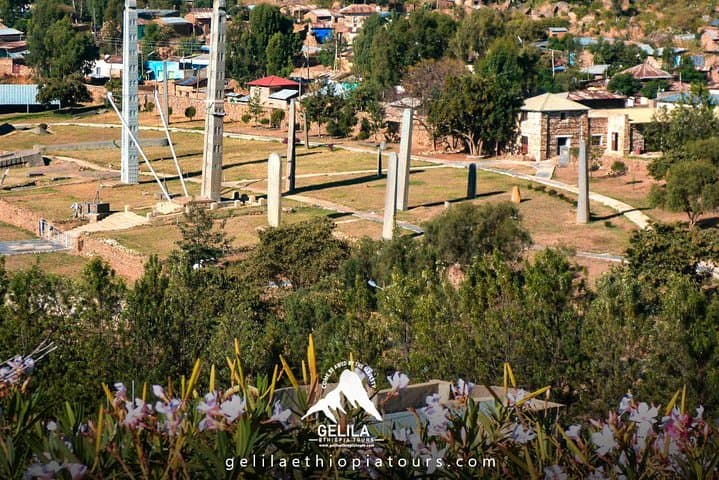
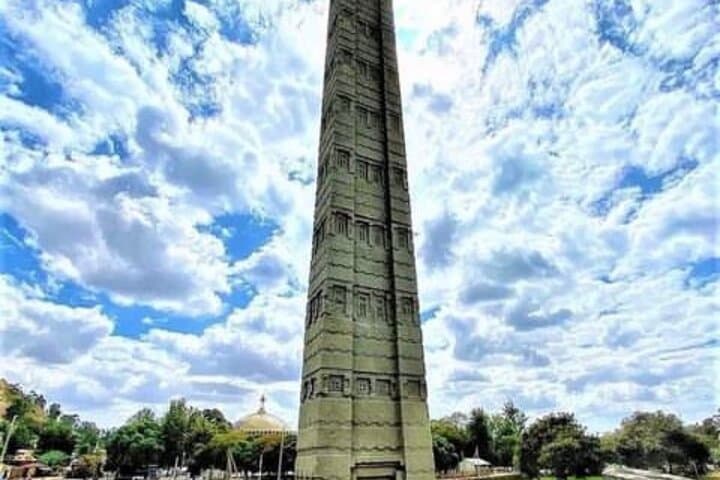
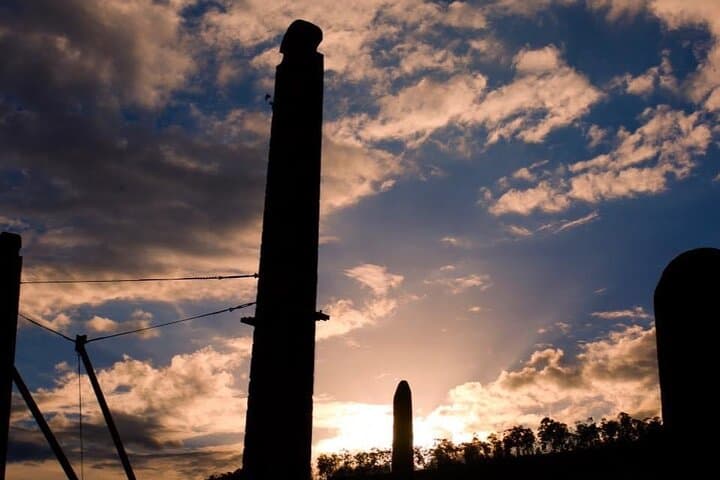
Morning light spreads over Axum’s granite steles like pages in a slow, ancient book. Visitors meet local guides and step straight into a city that long sat at the crossroads of Africa and the Red Sea trade, its skyline punctuated by tall, carved obelisks and low, whitewashed churches.
Verified experiences and guided adventures in the surrounding area.
Operated by Gelila Ethiopia Tours · Axum, Tigray
Morning light spreads over Axum’s granite steles like pages in a slow, ancient book. Visitors meet local guides and step straight into a city that long sat at the crossroads of Africa and the Red Sea trade, its skyline punctuated by tall, carved obelisks and low, whitewashed churches.
Axum’s story is both imperial and geological. The Aksumite Kingdom controlled trade routes to Arabia and beyond; its rulers embraced Christianity in the fourth century, and the city’s stonework—massive stelae, royal tombs, and the carved lioness at Gobo Dura—speaks to a culture that moved and shaped granite with local ingenuity. The quarry at Gobo Dura reveals unfinished stelae and tool marks, offering a tangible lesson in ancient engineering, while the Church of Zion anchors living tradition and the contested lore of the Ark.
Days in Axum alternate between open-air archaeology and intimate cultural moments: slow walks through the old town, a household coffee ceremony (bunna) where beans are roasted and poured with ritual care, and birdwatching in scrubby fields that edge the quarry.
Practical guidance: the trip is low-impact but involves uneven stone and short walks—sturdy shoes and sun protection are essential. Mornings are best for stelae photography; midday is for shade and the coffee ceremony. Entrance fees and private transfers are typically included; bring local currency for small purchases and tips.
Expect warm days, cool nights, and encounters that blend tangible ruins with present-day community life—Axum rewards curiosity, patience, and respectful observation.
easy.
2 days.
Suitable for travelers with basic mobility; involves short walks on uneven ground and brief periods standing
Most organized two-day itineraries include entrance fees to major sites and the quarry—confirm with the operator at booking.
Yes, but access is regulated; visitors should follow guide directions and respect religious protocols.
Walking is gentle overall with short uneven sections around stelae and the quarry; standard mobility is sufficient.
Yes—many tours include a visit to a private home for a bunna ceremony; small gifts or a tip are appreciated.
Axum was the center of the Aksumite Kingdom, a major maritime and trading power that adopted Christianity in the 4th century; its carved stelae and royal tombs reflect centuries of imperial authority.
Granite monuments are vulnerable to erosion and human wear; stick to marked paths, avoid climbing fragile stelae, and support local guides who promote preservation.
Gelila Ethiopia Tours operates guided outdoor trips and adventures with an emphasis on safety, stewardship, and memorable experiences.
Morning light spreads over Axum’s granite steles like pages in a slow, ancient book. Visitors meet local guides and step straight into a city that long sat at the crossroads of Africa and the Red Sea trade, its skyline punctuated by tall, carved obelisks and low, whitewashed churches.
Morning light spreads over Axum’s granite steles like pages in a slow, ancient book. Visitors meet local guides and step straight into a city that long sat at the crossroads of Africa and the Red Sea trade, its skyline punctuated by tall, carved obelisks and low, whitewashed churches.
Axum’s story is both imperial and geological. The Aksumite Kingdom controlled trade routes to Arabia and beyond; its rulers embraced Christianity in the fourth century, and the city’s stonework—massive stelae, royal tombs, and the carved lioness at Gobo Dura—speaks to a culture that moved and shaped granite with local ingenuity. The quarry at Gobo Dura reveals unfinished stelae and tool marks, offering a tangible lesson in ancient engineering, while the Church of Zion anchors living tradition and the contested lore of the Ark.
Days in Axum alternate between open-air archaeology and intimate cultural moments: slow walks through the old town, a household coffee ceremony (bunna) where beans are roasted and poured with ritual care, and birdwatching in scrubby fields that edge the quarry.
Practical guidance: the trip is low-impact but involves uneven stone and short walks—sturdy shoes and sun protection are essential. Mornings are best for stelae photography; midday is for shade and the coffee ceremony. Entrance fees and private transfers are typically included; bring local currency for small purchases and tips.
Expect warm days, cool nights, and encounters that blend tangible ruins with present-day community life—Axum rewards curiosity, patience, and respectful observation.