THE ADVENTURE COLLECTIVE® · Independent discovery and booking for outdoor travel

A two-day trek from Imi Oughlad through Ouirgane National Park to Azzaden Valley, with an overnight in a Berber gite. Expect juniper slopes, walnut groves, a high pass at 2,389 m, and authentic village hospitality.
A two-day trek from Imi Oughlad through Ouirgane National Park to Azzaden Valley, with an overnight in a Berber gite. Expect juniper slopes, walnut groves, a high pass at 2,389 m, and authentic village hospitality.
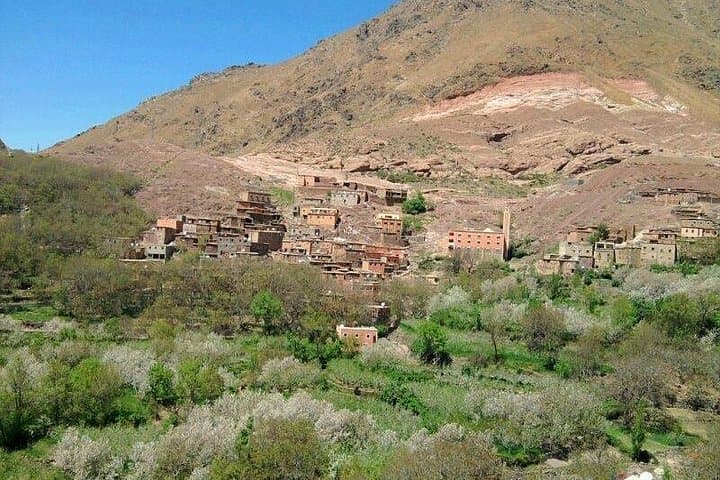
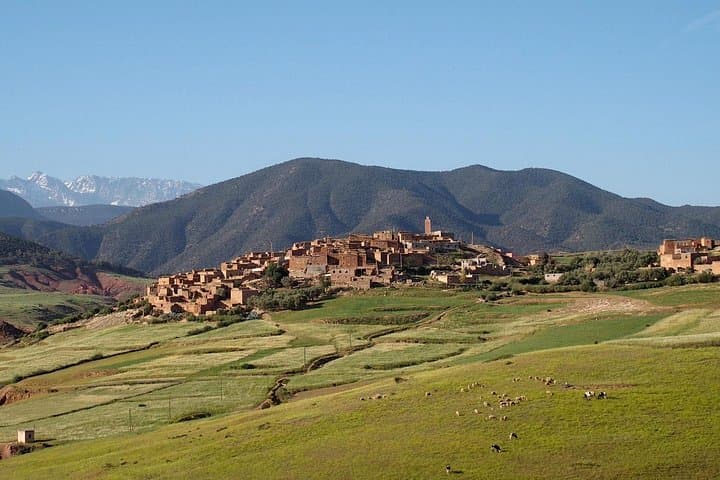
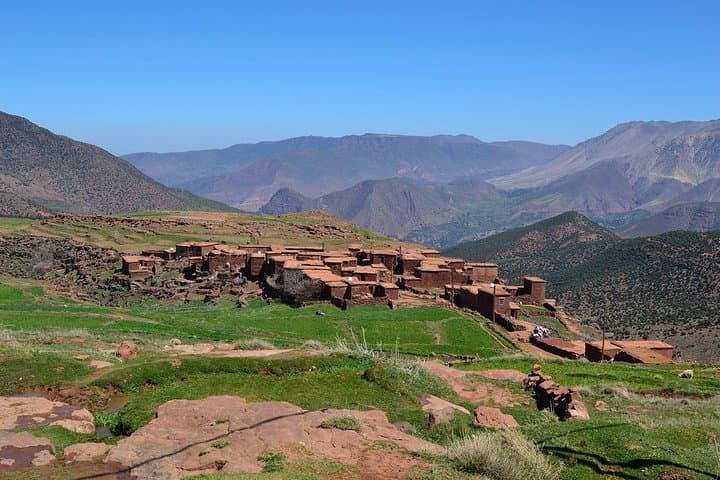
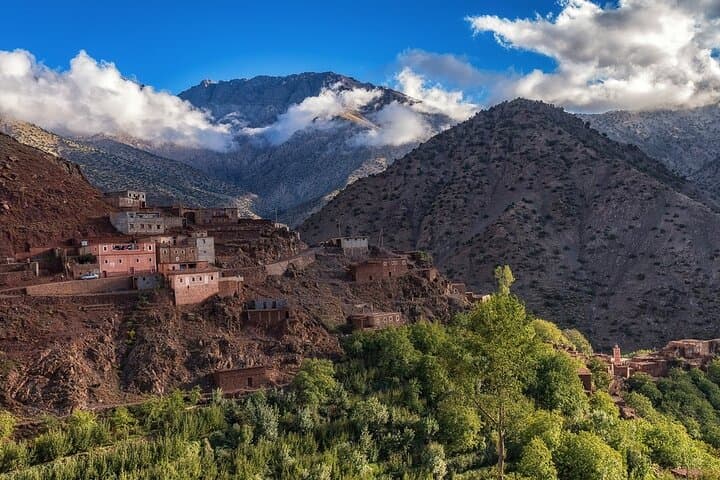
You step out of the vehicle at Imi Oughlad and the High Atlas exhales—copper soil underfoot, juniper-scented air, and a distant waterfall that seems to time the valley's heartbeat. On day one the path eases, winding through Ouirgane National Park where stone houses sit like folded pages in the landscape; the guide and muleteer move with the quiet economy of people who read this land daily.
Verified experiences and guided adventures in the surrounding area.
Operated by Atlas Mountains Guided Tour · Imlil, Marrakech-Safi
You step out of the vehicle at Imi Oughlad and the High Atlas exhales—copper soil underfoot, juniper-scented air, and a distant waterfall that seems to time the valley's heartbeat. On day one the path eases, winding through Ouirgane National Park where stone houses sit like folded pages in the landscape; the guide and muleteer move with the quiet economy of people who read this land daily.
This route threads Berber villages, hammams, and walnut groves shaped by centuries of subsistence farming. Geologically the High Atlas is young and uplifted, with steep passes carved by winter melt; the Tizi n Ouadid pass reaches about 2,389 m, giving wide views toward Toubkal’s serrated ridgeline. Culture is present in small gestures: shared tajine, a family welcome in a gite, and stone terraces that mark communal history.
Expect varied terrain—well-worn mule tracks, rocky switchbacks near the pass, and shaded valley floors beside a rushing mountain stream. Day one: ~4 hours, gentle gains around the lower valley; day two: 6–7 hours with the main climb to Tizi n Ouadid and a return descent to Imlil. Altitude and loose scree demand steady pacing.
Practical guidance: pack layered clothing for temperature swings, carry 2–3 liters of water, and wear sturdy boots with good grip. Respect private village space, tip locally when appropriate, and consider a short hammam visit to ease tired muscles. The reward is honest: close contact with Berber life and broad Atlas panoramas that hold up to the walk.
moderate.
2 days (approx. 4–7 hours per day).
Moderate fitness—regular walkers comfortable with sustained uphill sections and uneven terrain.
You should have moderate fitness—regularly active hikers who can handle 4–7 hours on varied terrain will be comfortable.
Overnight stays are in a local gite (Berber house) with basic facilities and shared rooms; meals are home-cooked tajine and local bread.
The highest point is around 2,389 m; for most travelers this is manageable with gradual pacing and hydration, but monitor for mild altitude symptoms.
Yes—this itinerary includes a local mountain guide and muleteer who handle navigation, village introductions, and logistics.
The High Atlas is home to Amazigh (Berber) communities whose terrace farming and transhumant practices have shaped the slopes for centuries.
Water scarcity and overgrazing are local concerns; sticking to paths, minimizing waste, and supporting local guides helps preserve trails and village resources.
Atlas Mountains Guided Tour operates guided outdoor trips and adventures with an emphasis on safety, stewardship, and memorable experiences.
You step out of the vehicle at Imi Oughlad and the High Atlas exhales—copper soil underfoot, juniper-scented air, and a distant waterfall that seems to time the valley's heartbeat. On day one the path eases, winding through Ouirgane National Park where stone houses sit like folded pages in the landscape; the guide and muleteer move with the quiet economy of people who read this land daily.
You step out of the vehicle at Imi Oughlad and the High Atlas exhales—copper soil underfoot, juniper-scented air, and a distant waterfall that seems to time the valley's heartbeat. On day one the path eases, winding through Ouirgane National Park where stone houses sit like folded pages in the landscape; the guide and muleteer move with the quiet economy of people who read this land daily.
This route threads Berber villages, hammams, and walnut groves shaped by centuries of subsistence farming. Geologically the High Atlas is young and uplifted, with steep passes carved by winter melt; the Tizi n Ouadid pass reaches about 2,389 m, giving wide views toward Toubkal’s serrated ridgeline. Culture is present in small gestures: shared tajine, a family welcome in a gite, and stone terraces that mark communal history.
Expect varied terrain—well-worn mule tracks, rocky switchbacks near the pass, and shaded valley floors beside a rushing mountain stream. Day one: ~4 hours, gentle gains around the lower valley; day two: 6–7 hours with the main climb to Tizi n Ouadid and a return descent to Imlil. Altitude and loose scree demand steady pacing.
Practical guidance: pack layered clothing for temperature swings, carry 2–3 liters of water, and wear sturdy boots with good grip. Respect private village space, tip locally when appropriate, and consider a short hammam visit to ease tired muscles. The reward is honest: close contact with Berber life and broad Atlas panoramas that hold up to the walk.