THE ADVENTURE COLLECTIVE® · Independent discovery and booking for outdoor travel

A two-day guided trek from Marrakech into the High Atlas that links panoramic Toubkal views with an overnight in Aït Assa. Expect village hospitality, mule-supported gear, and trails of loose gravel and steep pitches.
A two-day guided trek from Marrakech into the High Atlas that links panoramic Toubkal views with an overnight in Aït Assa. Expect village hospitality, mule-supported gear, and trails of loose gravel and steep pitches.
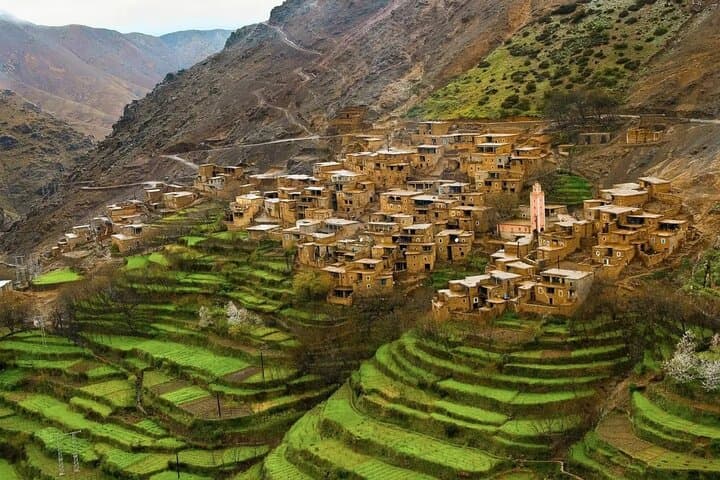
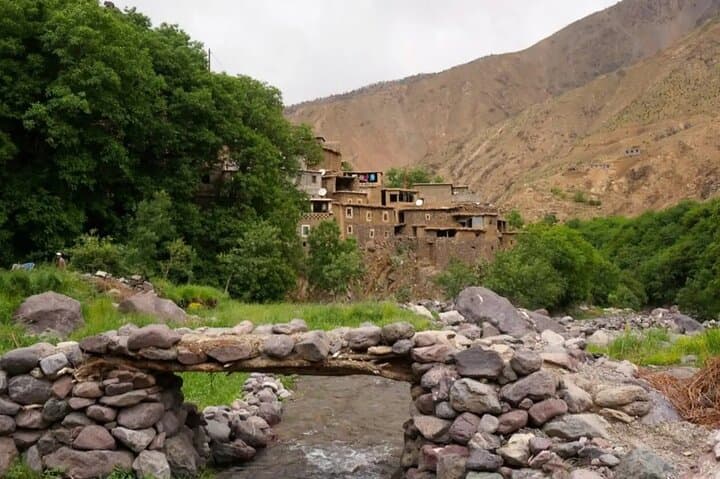
Morning light slides across scrubby terraces as you leave Marrakech’s bustle behind and climb toward the High Atlas. The trail drops and rises through fields of barley, past dry-stone terraces and the flat-roofed houses of Berber villages; each bend opens to a new view of the Toubkal massif pressing the horizon.
Verified experiences and guided adventures in the surrounding area.
Operated by Authentic morocco tours&travel · Aït Assa, Marrakech-Safi
Morning light slides across scrubby terraces as you leave Marrakech’s bustle behind and climb toward the High Atlas. The trail drops and rises through fields of barley, past dry-stone terraces and the flat-roofed houses of Berber villages; each bend opens to a new view of the Toubkal massif pressing the horizon.
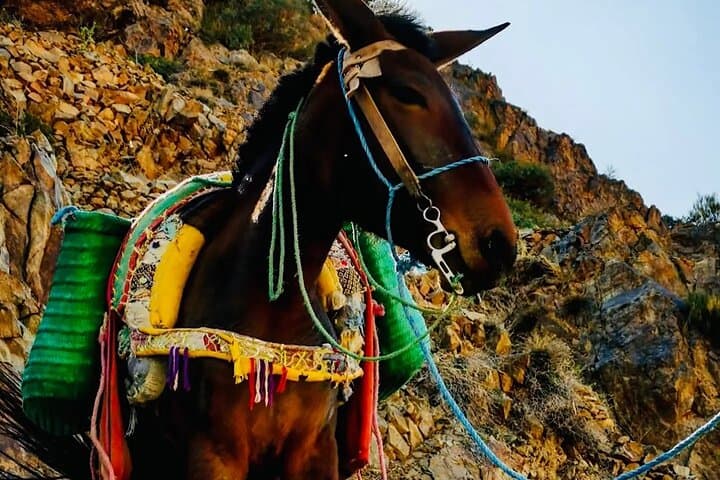
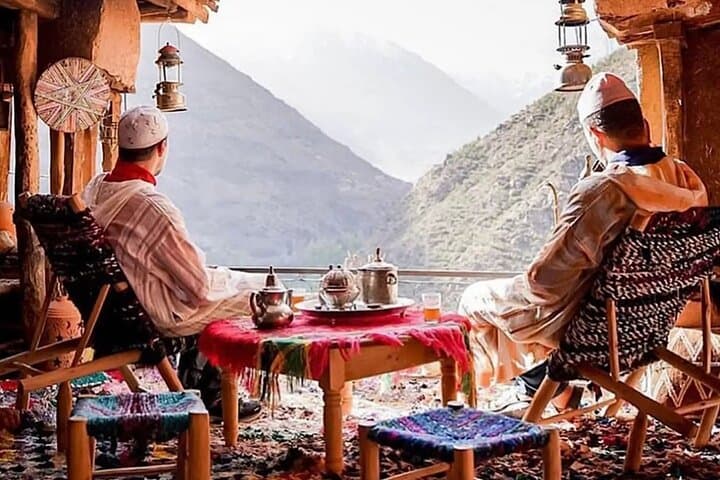
These trails carry centuries of local life — mule tracks cut into volcanic and metamorphic slopes, routes once used for trade between mountain communities and Marrakech. Geology here is muscular: ridgelines of folded sedimentary rock and scree slopes that channel winter runoff into narrow streams. Culturally, the trek is an exchange: night one in Aït Assa offers a homestay with a Berber family where tajine and conversation give context to the walk’s rhythms.
On day two the route rises to Tizi Tacht and drops to Imi Oughlad, granting broad views and a sharper sense of altitude. Expect loose gravel, packed dirt paths, occasional livestock, and short steep pitches rather than technical scrambling.
Practical guidance: pack layers for temperature swings, bring at least 2–3 liters of water and snacks, and wear grippy footwear for rocky descents. Start early to take advantage of cooler morning air and avoid mid-day heat on exposed sections. Because this is a guided, two-day itinerary with local lodging and mule support, it’s accessible to hikers with moderate fitness who can handle sustained uphill and downhill walking. The reward is straightforward: wide mountain panoramas, close-up cultural encounters, and the steady, physical clarity of walking through living mountain terrain.
moderate.
2 days.
Good endurance for consecutive day hikes and steady uphill/downhill walking; suitable for regular hikers
Routes include sustained uphill and downhill walking with some steep pitches and loose gravel; overall difficulty is moderate and guided support reduces navigation needs.
Night one is a local homestay in Aït Assa with simple sleeping arrangements and home-cooked meals; expect basic facilities and authentic hospitality.
Yes — mule transport is provided for gear, but plan to carry a daypack with personal items and water.
Beginners with reasonable fitness who regularly walk several hours can join, but those with cardiovascular issues should consult a physician first.
These mountain tracks have linked Berber communities for generations and were shaped by trade, seasonal grazing, and local craftsmanship.
Stick to paths, minimize single-use plastic, and follow host guidance to reduce erosion and pressure on scarce water sources.
Authentic morocco tours&travel operates guided outdoor trips and adventures with an emphasis on safety, stewardship, and memorable experiences.
Morning light slides across scrubby terraces as you leave Marrakech’s bustle behind and climb toward the High Atlas. The trail drops and rises through fields of barley, past dry-stone terraces and the flat-roofed houses of Berber villages; each bend opens to a new view of the Toubkal massif pressing the horizon.
Morning light slides across scrubby terraces as you leave Marrakech’s bustle behind and climb toward the High Atlas. The trail drops and rises through fields of barley, past dry-stone terraces and the flat-roofed houses of Berber villages; each bend opens to a new view of the Toubkal massif pressing the horizon.
These trails carry centuries of local life — mule tracks cut into volcanic and metamorphic slopes, routes once used for trade between mountain communities and Marrakech. Geology here is muscular: ridgelines of folded sedimentary rock and scree slopes that channel winter runoff into narrow streams. Culturally, the trek is an exchange: night one in Aït Assa offers a homestay with a Berber family where tajine and conversation give context to the walk’s rhythms.
On day two the route rises to Tizi Tacht and drops to Imi Oughlad, granting broad views and a sharper sense of altitude. Expect loose gravel, packed dirt paths, occasional livestock, and short steep pitches rather than technical scrambling.
Practical guidance: pack layers for temperature swings, bring at least 2–3 liters of water and snacks, and wear grippy footwear for rocky descents. Start early to take advantage of cooler morning air and avoid mid-day heat on exposed sections. Because this is a guided, two-day itinerary with local lodging and mule support, it’s accessible to hikers with moderate fitness who can handle sustained uphill and downhill walking. The reward is straightforward: wide mountain panoramas, close-up cultural encounters, and the steady, physical clarity of walking through living mountain terrain.