THE ADVENTURE COLLECTIVE® · Independent discovery and booking for outdoor travel

Watch sunrise over Angkor Wat, walk root‑cradled Ta Prohm, and visit the pink‑stone carvings of Banteay Srey on this carefully timed two‑day private tour from Siem Reap. Practical pacing and local context keep the experience immersive and manageable.
Watch sunrise over Angkor Wat, walk root‑cradled Ta Prohm, and visit the pink‑stone carvings of Banteay Srey on this carefully timed two‑day private tour from Siem Reap. Practical pacing and local context keep the experience immersive and manageable.
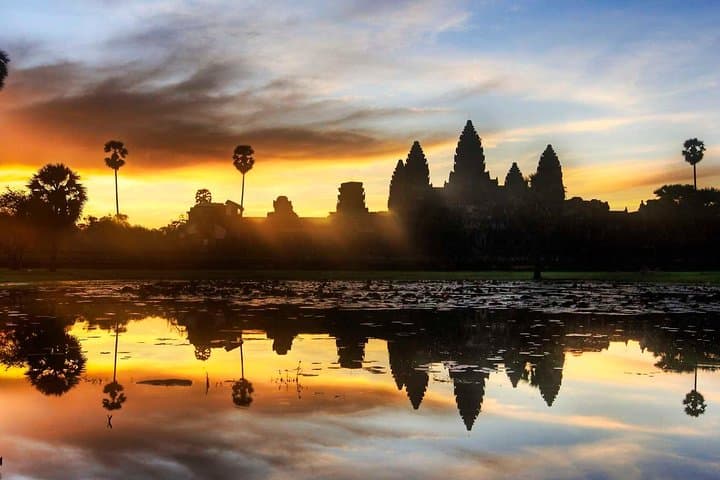
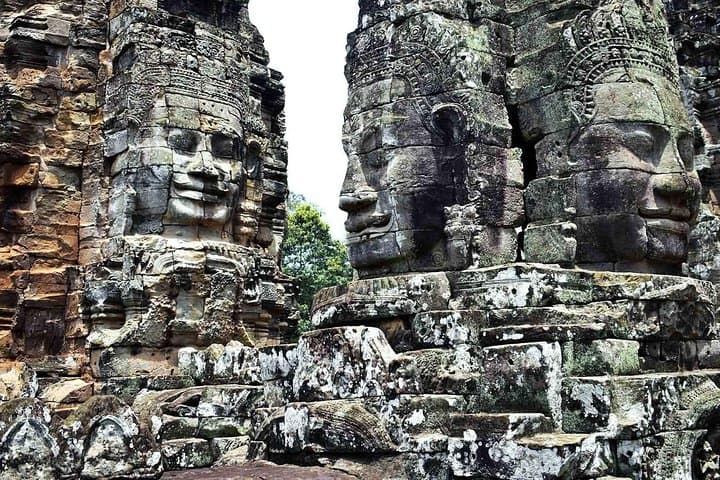
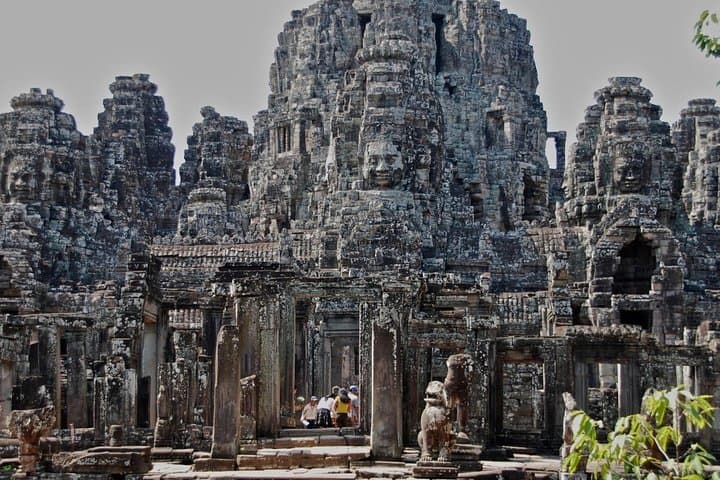
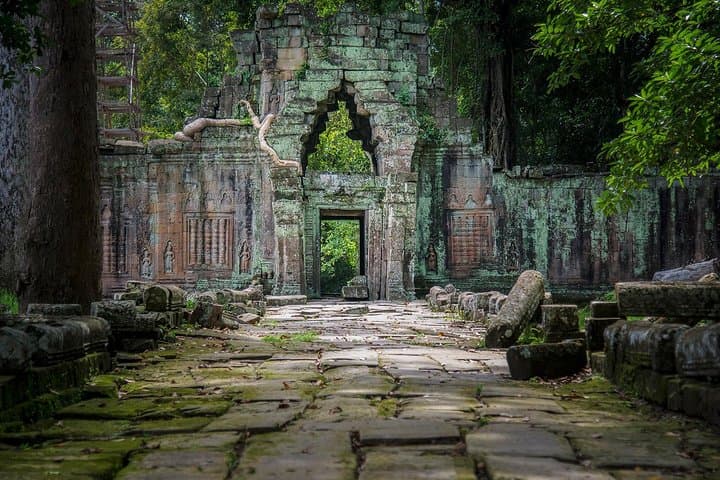
Before dawn your vehicle slips through Siem Reap’s quiet streets and the silhouette of Angkor Wat sharpens against a pale sky. By the time the sun lifts, reflected pools and carved stone are lit from beneath, and you’re standing where 12th‑century kings staged their rituals. Daylight reveals the faces of Bayon, the root-wrapped masonry of Ta Prohm and the pink sandstone reliefs of Banteay Srey—each temple a different mood of the Khmer past.
Verified experiences and guided adventures in the surrounding area.
Operated by Angkor Wat Travel Tour · Siem Reap, Siem Reap Province
Before dawn your vehicle slips through Siem Reap’s quiet streets and the silhouette of Angkor Wat sharpens against a pale sky. By the time the sun lifts, reflected pools and carved stone are lit from beneath, and you’re standing where 12th‑century kings staged their rituals. Daylight reveals the faces of Bayon, the root-wrapped masonry of Ta Prohm and the pink sandstone reliefs of Banteay Srey—each temple a different mood of the Khmer past.
Angkor grew under Suryavarman II and Jayavarman VII; its temples are both devotional architecture and hydraulic engineering, raised from laterite and sandstone to command floodplain views. Geologically the plain is clay over sandstone, and the great barays (reservoirs) that surround the complex still shape the landscape and birdlife today. Culturally, you’ll see living Khmer traditions in markets and near temple entrances: incense, Buddhist shrines, and local crafts that echo ancient motifs.
Over two days the tour layers morning light, quieter mid‑day visits and a longer drive to Banteay Srey—known for its fine carvings and pink hue—about an hour from Siem Reap. Expect mostly gentle walking with uneven stones and stone staircases; guides will time visits to reduce crowds when possible.
Practical essentials: carry a reusable water bottle, sun protection and modest clothing that covers shoulders and knees for temple entry. Plan to buy an Angkor pass in advance, bring small change for local purchases, and allow time between sites—the pace here is observational, not rushed. Respect ropes and restoration zones: preservation depends on thoughtful tourism.
moderate.
2 days (approx. 8–10 hours touring per day).
Comfortable walking fitness; able to handle uneven ground and short stair climbs across multiple hours.
No—this tour does not include Angkor Park passes; buy a 1‑, 3‑ or 7‑day pass at the official ticket centre in Siem Reap before entering.
Pickup is typically around 4:45 AM to reach Angkor Wat for sunrise; confirm exact time when booking as it varies by hotel location.
Yes—this itinerary is listed as suitable for all fitness levels, but expect long days and uneven terrain; bring rest breaks and plan for slower walking if needed.
Small daypacks are fine; larger luggage should remain at your hotel—confirm pickup arrangements with the operator in advance.
Angkor Wat and surrounding complexes were built in the 12th century under Khmer monarchs as both state temples and hydraulic centers, reflecting Hindu and later Buddhist influences.
High visitor numbers strain fragile stone and carved reliefs; follow signage, avoid touching carvings, and support local conservation fees that fund restoration.
Angkor Wat Travel Tour operates guided outdoor trips and adventures with an emphasis on safety, stewardship, and memorable experiences.
Before dawn your vehicle slips through Siem Reap’s quiet streets and the silhouette of Angkor Wat sharpens against a pale sky. By the time the sun lifts, reflected pools and carved stone are lit from beneath, and you’re standing where 12th‑century kings staged their rituals. Daylight reveals the faces of Bayon, the root-wrapped masonry of Ta Prohm and the pink sandstone reliefs of Banteay Srey—each temple a different mood of the Khmer past.
Before dawn your vehicle slips through Siem Reap’s quiet streets and the silhouette of Angkor Wat sharpens against a pale sky. By the time the sun lifts, reflected pools and carved stone are lit from beneath, and you’re standing where 12th‑century kings staged their rituals. Daylight reveals the faces of Bayon, the root-wrapped masonry of Ta Prohm and the pink sandstone reliefs of Banteay Srey—each temple a different mood of the Khmer past.
Angkor grew under Suryavarman II and Jayavarman VII; its temples are both devotional architecture and hydraulic engineering, raised from laterite and sandstone to command floodplain views. Geologically the plain is clay over sandstone, and the great barays (reservoirs) that surround the complex still shape the landscape and birdlife today. Culturally, you’ll see living Khmer traditions in markets and near temple entrances: incense, Buddhist shrines, and local crafts that echo ancient motifs.
Over two days the tour layers morning light, quieter mid‑day visits and a longer drive to Banteay Srey—known for its fine carvings and pink hue—about an hour from Siem Reap. Expect mostly gentle walking with uneven stones and stone staircases; guides will time visits to reduce crowds when possible.
Practical essentials: carry a reusable water bottle, sun protection and modest clothing that covers shoulders and knees for temple entry. Plan to buy an Angkor pass in advance, bring small change for local purchases, and allow time between sites—the pace here is observational, not rushed. Respect ropes and restoration zones: preservation depends on thoughtful tourism.