THE ADVENTURE COLLECTIVE® · Independent discovery and booking for outdoor travel

Two full days of temple exploration from Angkor Wat’s sunrise causeway to the delicate carvings of Banteay Srei and a floating village visit. This private tour covers the small and grand circuits with transport and an English guide — ideal for first‑time visitors who want concentrated exposure to Angkor’s highlights.
Two full days of temple exploration from Angkor Wat’s sunrise causeway to the delicate carvings of Banteay Srei and a floating village visit. This private tour covers the small and grand circuits with transport and an English guide — ideal for first‑time visitors who want concentrated exposure to Angkor’s highlights.
Dawn light slides over the causeway at Angkor Wat, cooling the heat that will build through the day. On day one the temple’s towers loom above still water as you move from the reflective moat into corridors lined with bas‑reliefs and crowds that thin only as you climb higher. By midmorning the tour threads through Angkor Thom’s gates—Bayon’s carved faces watching the flow of visitors—and into the quieter galleries of Baphuon and the Terrace of the Elephants.
Verified experiences and guided adventures in the surrounding area.
Operated by Pitt Angkor Tour · Siem Reap, Siem Reap Province
Dawn light slides over the causeway at Angkor Wat, cooling the heat that will build through the day. On day one the temple’s towers loom above still water as you move from the reflective moat into corridors lined with bas‑reliefs and crowds that thin only as you climb higher. By midmorning the tour threads through Angkor Thom’s gates—Bayon’s carved faces watching the flow of visitors—and into the quieter galleries of Baphuon and the Terrace of the Elephants.
The second day opens earlier, a longer drive toward the pink sandstone detail of Banteay Srei and the carved lintels that reward a closer look. Geology here is obvious: laterite foundations and sandstone blocks shaped for intricate carvings, worn smooth in places by monsoon rains. You’ll pass reservoirs (baray) that powered the Khmer capital and, if time allows, drift out to Kampong Phluk’s flooded forests to watch stilt houses and waterbirds navigate the high season.
Practical guidance: expect two full days of walking on uneven stone, steps and shaded paths. Buy the official Angkor pass in advance or at the ticket center (3‑day pass recommended, US$62), wear lightweight, modest clothing that covers shoulders and knees, bring sun protection, cash for tips and small purchases, and plan for humidity and sudden rain. Tours include AC transport and a guide; still, carry water and comfortable shoes—temples reward slow exploration.
easy.
2 days (full days).
Suitable for most fitness levels; involves several hours walking each day on uneven stone and steps
You can buy the pass at the official ticket center before sightseeing; guides often recommend the 3‑day pass (US$62) to cover the circuits visited.
Expect several hours of walking with stops—typically 4–6 hours of on‑foot exploration each day interspersed with vehicle transfers and breaks.
Some sites have level areas and viewing points accessible by vehicle, but many temples have uneven steps and narrow corridors; the tour notes wheelchair accessibility options but full access is limited.
Early morning (sunrise at Angkor Wat) and late afternoon are best for cooler temperatures and softer light; weekdays in the dry season (Nov–Feb) tend to be less crowded than major holidays.
Angkor was the heart of the Khmer Empire (9th–15th centuries); the complex’s baray reservoirs and temple mountains reflect sophisticated hydraulic and religious systems.
Heavy visitation stresses fragile stone and surrounding ecosystems; follow path signs, avoid climbing on sculpted surfaces, and support local guides who promote responsible practices.
Pitt Angkor Tour operates guided outdoor trips and adventures with an emphasis on safety, stewardship, and memorable experiences.
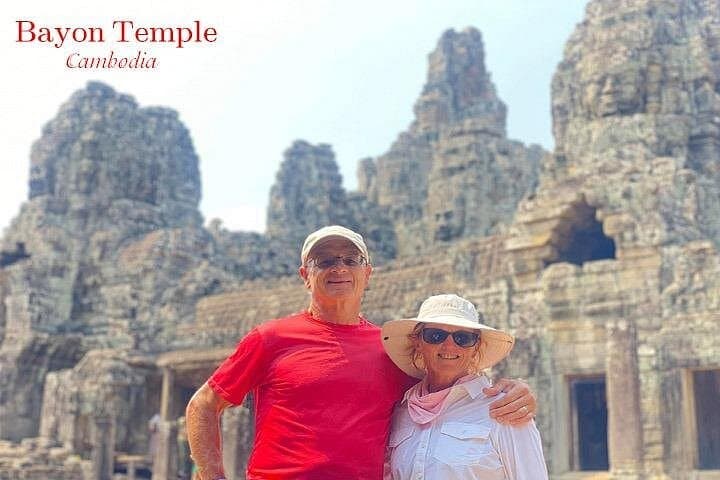
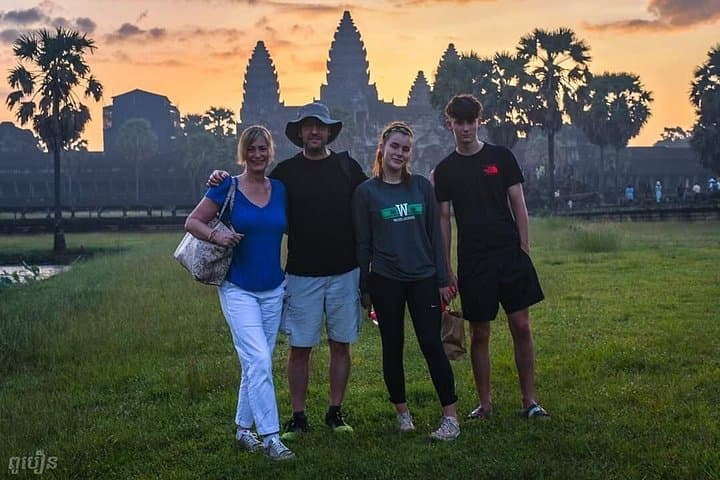
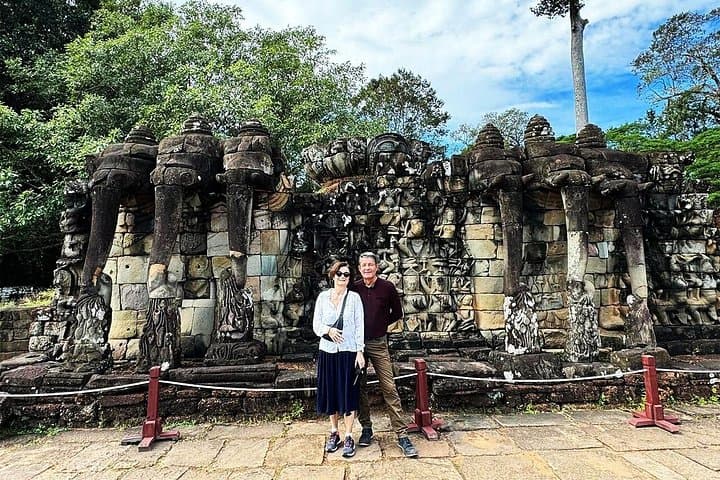
Dawn light slides over the causeway at Angkor Wat, cooling the heat that will build through the day. On day one the temple’s towers loom above still water as you move from the reflective moat into corridors lined with bas‑reliefs and crowds that thin only as you climb higher. By midmorning the tour threads through Angkor Thom’s gates—Bayon’s carved faces watching the flow of visitors—and into the quieter galleries of Baphuon and the Terrace of the Elephants.
Dawn light slides over the causeway at Angkor Wat, cooling the heat that will build through the day. On day one the temple’s towers loom above still water as you move from the reflective moat into corridors lined with bas‑reliefs and crowds that thin only as you climb higher. By midmorning the tour threads through Angkor Thom’s gates—Bayon’s carved faces watching the flow of visitors—and into the quieter galleries of Baphuon and the Terrace of the Elephants.
The second day opens earlier, a longer drive toward the pink sandstone detail of Banteay Srei and the carved lintels that reward a closer look. Geology here is obvious: laterite foundations and sandstone blocks shaped for intricate carvings, worn smooth in places by monsoon rains. You’ll pass reservoirs (baray) that powered the Khmer capital and, if time allows, drift out to Kampong Phluk’s flooded forests to watch stilt houses and waterbirds navigate the high season.
Practical guidance: expect two full days of walking on uneven stone, steps and shaded paths. Buy the official Angkor pass in advance or at the ticket center (3‑day pass recommended, US$62), wear lightweight, modest clothing that covers shoulders and knees, bring sun protection, cash for tips and small purchases, and plan for humidity and sudden rain. Tours include AC transport and a guide; still, carry water and comfortable shoes—temples reward slow exploration.