THE ADVENTURE COLLECTIVE® · Independent discovery and booking for outdoor travel

Spend two active days moving from the sunrise terraces of Angkor Wat to the forested plateaus of Phnom Kulen. This concise itinerary blends temple highlights with a rewarding hike to Kulen’s waterfalls and carved riverbeds.
Spend two active days moving from the sunrise terraces of Angkor Wat to the forested plateaus of Phnom Kulen. This concise itinerary blends temple highlights with a rewarding hike to Kulen’s waterfalls and carved riverbeds.
Dawn breaks over a thousand stone towers as cool air slides through the galleries of Angkor Wat and the root-wrapped walls of Ta Prohm. On day one you move through the carved faces of Bayon, the raised terraces of Angkor Thom and the intimate pink sandstone detail of Banteay Srei; the stones feel alive under fingertips, history pressuring forward like the jungle that reclaims it.
Verified experiences and guided adventures in the surrounding area.
Operated by Toptrip Inspire Cambodia · Siem Reap, Siem Reap Province
Dawn breaks over a thousand stone towers as cool air slides through the galleries of Angkor Wat and the root-wrapped walls of Ta Prohm. On day one you move through the carved faces of Bayon, the raised terraces of Angkor Thom and the intimate pink sandstone detail of Banteay Srei; the stones feel alive under fingertips, history pressuring forward like the jungle that reclaims it.
The Angkor complex dates from the 9th–15th centuries, when the Khmer Empire engineered massive hydraulic systems and monumental temples. Geologically the region is flat alluvium; Phnom Kulen, by contrast, is an uplifted sandstone plateau whose streams have cut shallow basins and carved Buddhist images into riverbed rock — the River of a Thousand Ling — and feed tumbling waterfalls below.
Culturally, these sites remain active places of worship and community life; local guides link iconography to kings, cosmology and rice cycles. Expect both crowds at main temples and quieter stretches on minor monuments and forest tracks at Kulen.
Practical guidance: plan early starts (sunrise at Angkor is peak); bring sun protection, plenty of water, and modest clothing for temple entry. Paths range from paved causeways and compacted dirt to slippery stone steps and jungle tracks approaching Kulen waterfalls. The second day includes a hike and short walks around cascades and carved river beds — allow sturdy shoes and mosquito protection. Respect restricted areas, carry Cambodian riel or card for park passes, and pick an English-speaking guide to deepen the experience.
moderate.
2 days (full days of touring; ~6–8 hours active per day).
Moderate—comfortable walking stamina, able to manage uneven ground, stairs, and short climbs.
Yes. Angkor Archaeological Park requires a ticket (1-, 3- or 7-day options) bought at the official center; your guide/company can assist with purchase and timings.
This tour description indicates park admissions are not included and meals are typically not provided—confirm with the operator and carry local currency for food and small purchases.
Kulen walks involve uneven forest trails and short climbs to viewpoints and waterfalls; they’re doable for most people with moderate fitness but require sturdy shoes and caution on wet rocks.
Yes—many itineraries include sunrise options. Expect crowds at popular viewpoints, so arrive early and coordinate timing with your guide.
Angkor was the political and religious heart of the Khmer Empire from the 9th to 15th centuries; Phnom Kulen is considered a sacred birthplace of the kingdom where early kings declared sovereignty.
High visitor numbers put pressure on stonework and forest trails—stick to marked paths, avoid touching bas-reliefs, and use local guides to support responsible tourism.
Toptrip Inspire Cambodia operates guided outdoor trips and adventures with an emphasis on safety, stewardship, and memorable experiences.
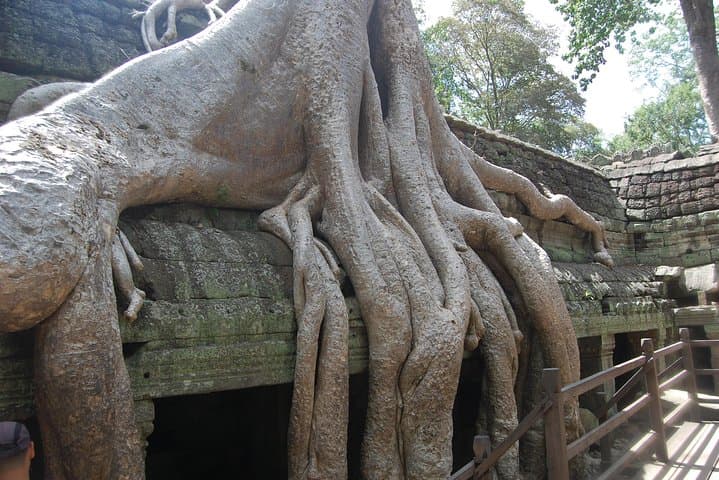
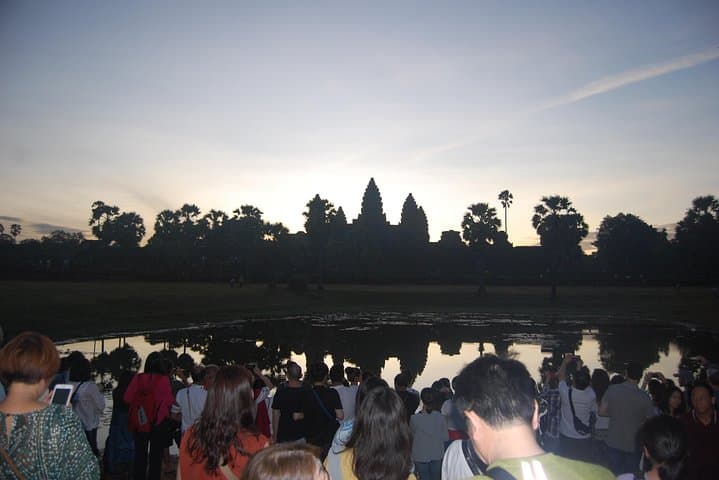
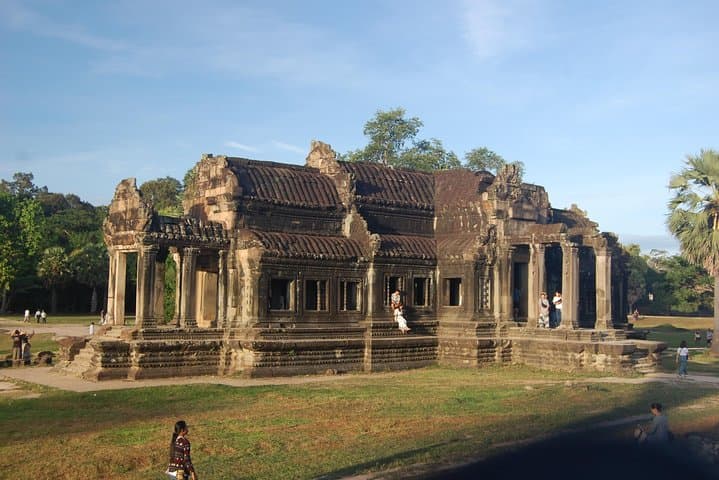
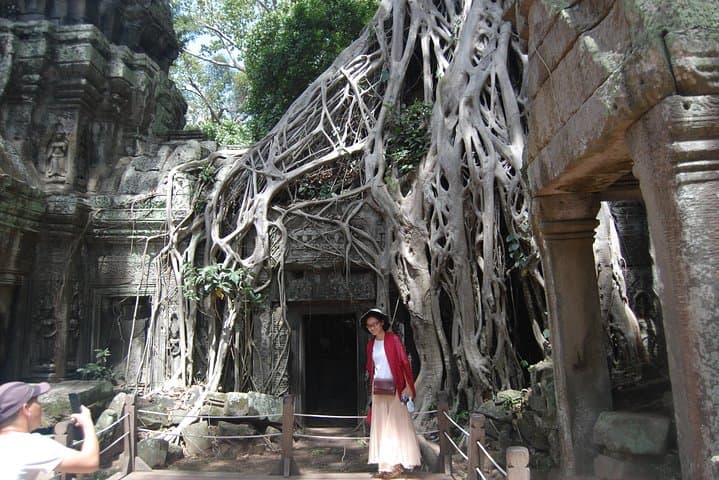
Dawn breaks over a thousand stone towers as cool air slides through the galleries of Angkor Wat and the root-wrapped walls of Ta Prohm. On day one you move through the carved faces of Bayon, the raised terraces of Angkor Thom and the intimate pink sandstone detail of Banteay Srei; the stones feel alive under fingertips, history pressuring forward like the jungle that reclaims it.
Dawn breaks over a thousand stone towers as cool air slides through the galleries of Angkor Wat and the root-wrapped walls of Ta Prohm. On day one you move through the carved faces of Bayon, the raised terraces of Angkor Thom and the intimate pink sandstone detail of Banteay Srei; the stones feel alive under fingertips, history pressuring forward like the jungle that reclaims it.
The Angkor complex dates from the 9th–15th centuries, when the Khmer Empire engineered massive hydraulic systems and monumental temples. Geologically the region is flat alluvium; Phnom Kulen, by contrast, is an uplifted sandstone plateau whose streams have cut shallow basins and carved Buddhist images into riverbed rock — the River of a Thousand Ling — and feed tumbling waterfalls below.
Culturally, these sites remain active places of worship and community life; local guides link iconography to kings, cosmology and rice cycles. Expect both crowds at main temples and quieter stretches on minor monuments and forest tracks at Kulen.
Practical guidance: plan early starts (sunrise at Angkor is peak); bring sun protection, plenty of water, and modest clothing for temple entry. Paths range from paved causeways and compacted dirt to slippery stone steps and jungle tracks approaching Kulen waterfalls. The second day includes a hike and short walks around cascades and carved river beds — allow sturdy shoes and mosquito protection. Respect restricted areas, carry Cambodian riel or card for park passes, and pick an English-speaking guide to deepen the experience.