THE ADVENTURE COLLECTIVE® · Independent discovery and booking for outdoor travel

Experience sunrise at Angkor Wat, the enigmatic faces of Bayon, and the water-borne life of Kampong Phluk on a two-day guided loop from Siem Reap. This tour pairs archaeological highlights with the living rhythms of Tonle Sap’s floating communities.
Experience sunrise at Angkor Wat, the enigmatic faces of Bayon, and the water-borne life of Kampong Phluk on a two-day guided loop from Siem Reap. This tour pairs archaeological highlights with the living rhythms of Tonle Sap’s floating communities.
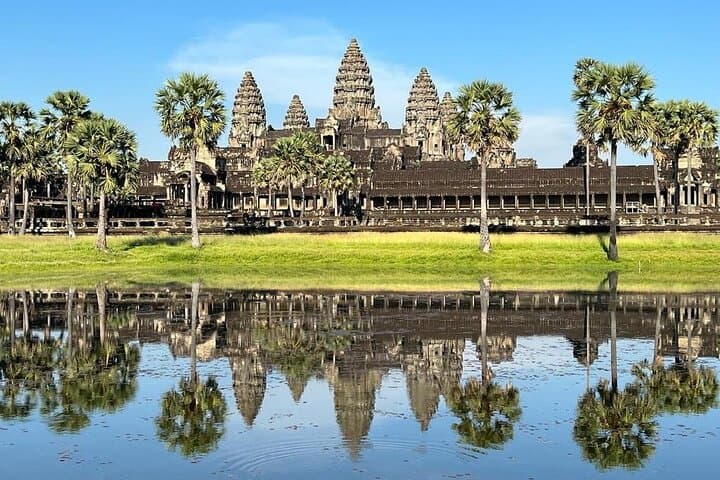
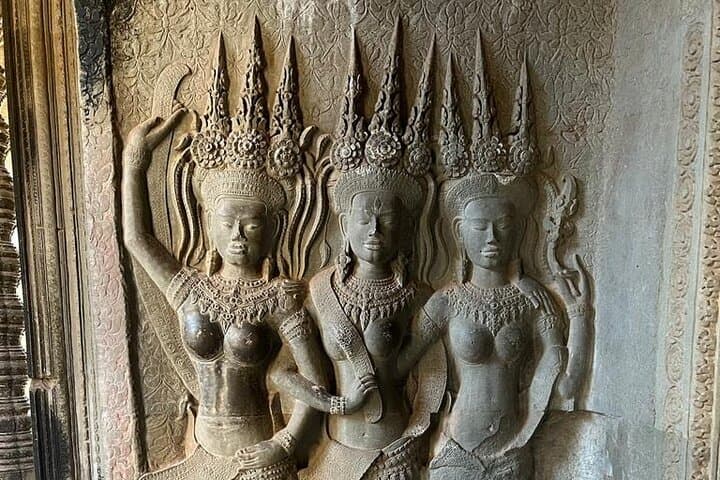
Dawn breaks over the moat at Angkor Wat as the stone bas-reliefs cool from the night and the first shafts of light push across the reflecting pool. On this two-day loop from Siem Reap, the ruins feel like a city waking—granite faces watching, roots of kapok trees stretching fingers through bricks, and the Tonle Sap water level dictating the rhythm of life downstream.
Verified experiences and guided adventures in the surrounding area.
Operated by Tours by Local Hosts · Siem Reap, Siem Reap Province
Dawn breaks over the moat at Angkor Wat as the stone bas-reliefs cool from the night and the first shafts of light push across the reflecting pool. On this two-day loop from Siem Reap, the ruins feel like a city waking—granite faces watching, roots of kapok trees stretching fingers through bricks, and the Tonle Sap water level dictating the rhythm of life downstream.
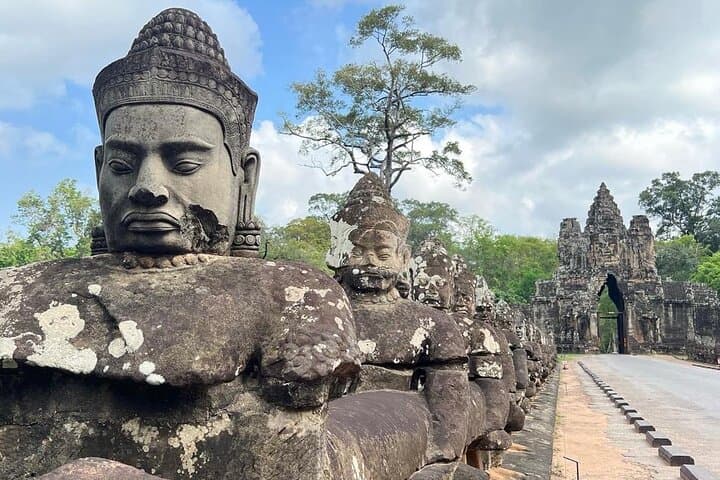
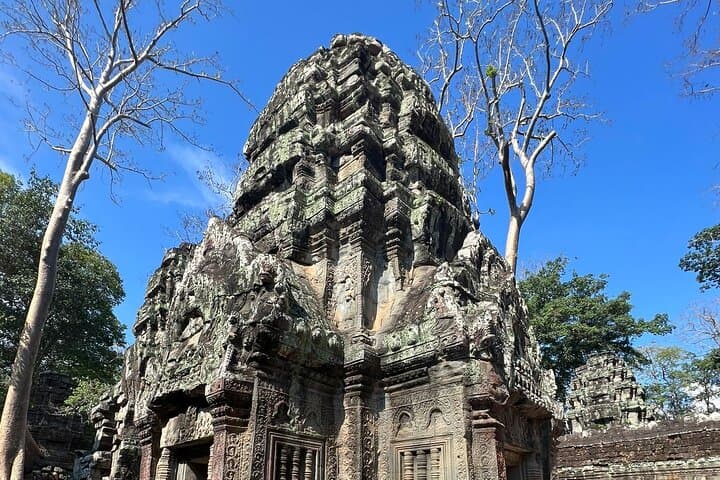
Angkor was the political and spiritual center of the Khmer Empire (9th–15th centuries), built on sandstone beds uplifted by ancient tectonics and river-borne sediments. Angkor Wat’s axial plan, the enigmatic faces of Bayon at Angkor Thom, and Ta Prohm’s half-swallowed galleries offer geology and history in one sequence: carved stone, riverine plain, and human ingenuity improvising with monsoon cycles.
On day two the scene changes—wooden stilt villages of Kampong Phluk push into the Great Lake when waters rise; boats thread through mangrove roots and fishermen haul nets where fish follow the rains. The floating village is less a tourist spectacle than a working ecosystem, with villagers adapting houses and livelihoods to the lake’s seasonal moods.
Practical guidance: start early to avoid heat and crowds, carry at least 2 liters of water, wear breathable clothing and a sun hat, and bring cash for temple donations and small local purchases. Expect moderate walking over uneven stone and packed-earth trails; comfortable walking shoes with good traction are recommended. Respect religious sites—shoulders and knees covered—and plan transport pickup in Siem Reap for efficient transfers between temples and the Tonle Sap jetty.
moderate.
2 days.
Basic walking stamina; participants should be comfortable with multiple short hikes and several hours on foot each day
Most guided tours require visitors to purchase the Angkor Park pass separately; confirm with your operator whether admissions are covered.
Yes—these temples are open to visitors, though some areas may be restricted for conservation or safety reasons.
Boat time typically ranges from 1–2 hours depending on water levels and how many stops the guide makes to observe village life.
The itinerary is family-friendly and listed as suitable for all fitness levels, but bring infant seats if needed and plan for sun and heat management.
Angkor was the seat of the Khmer Empire from the 9th to 15th centuries; its hydraulic networks and temples reflect sophisticated urban planning tied to monsoon-fed rice agriculture.
Rising tourism and changing water levels stress both the monuments and Tonle Sap’s fisheries; support local guides and small vendors to help direct revenue to the community.
Tours by Local Hosts operates guided outdoor trips and adventures with an emphasis on safety, stewardship, and memorable experiences.
Dawn breaks over the moat at Angkor Wat as the stone bas-reliefs cool from the night and the first shafts of light push across the reflecting pool. On this two-day loop from Siem Reap, the ruins feel like a city waking—granite faces watching, roots of kapok trees stretching fingers through bricks, and the Tonle Sap water level dictating the rhythm of life downstream.
Dawn breaks over the moat at Angkor Wat as the stone bas-reliefs cool from the night and the first shafts of light push across the reflecting pool. On this two-day loop from Siem Reap, the ruins feel like a city waking—granite faces watching, roots of kapok trees stretching fingers through bricks, and the Tonle Sap water level dictating the rhythm of life downstream.
Angkor was the political and spiritual center of the Khmer Empire (9th–15th centuries), built on sandstone beds uplifted by ancient tectonics and river-borne sediments. Angkor Wat’s axial plan, the enigmatic faces of Bayon at Angkor Thom, and Ta Prohm’s half-swallowed galleries offer geology and history in one sequence: carved stone, riverine plain, and human ingenuity improvising with monsoon cycles.
On day two the scene changes—wooden stilt villages of Kampong Phluk push into the Great Lake when waters rise; boats thread through mangrove roots and fishermen haul nets where fish follow the rains. The floating village is less a tourist spectacle than a working ecosystem, with villagers adapting houses and livelihoods to the lake’s seasonal moods.
Practical guidance: start early to avoid heat and crowds, carry at least 2 liters of water, wear breathable clothing and a sun hat, and bring cash for temple donations and small local purchases. Expect moderate walking over uneven stone and packed-earth trails; comfortable walking shoes with good traction are recommended. Respect religious sites—shoulders and knees covered—and plan transport pickup in Siem Reap for efficient transfers between temples and the Tonle Sap jetty.