THE ADVENTURE COLLECTIVE® · Independent discovery and booking for outdoor travel

Two days of Angkor’s highlights: the Small Circuit’s iconic temples, the wild corridors of Beng Mealea and a seasonal boat ride through Kampong Phluk on Tonle Sap. Ideal for travelers who want concentrated history, jungle ruins and a sunset from Phnom Bakheng.
Two days of Angkor’s highlights: the Small Circuit’s iconic temples, the wild corridors of Beng Mealea and a seasonal boat ride through Kampong Phluk on Tonle Sap. Ideal for travelers who want concentrated history, jungle ruins and a sunset from Phnom Bakheng.
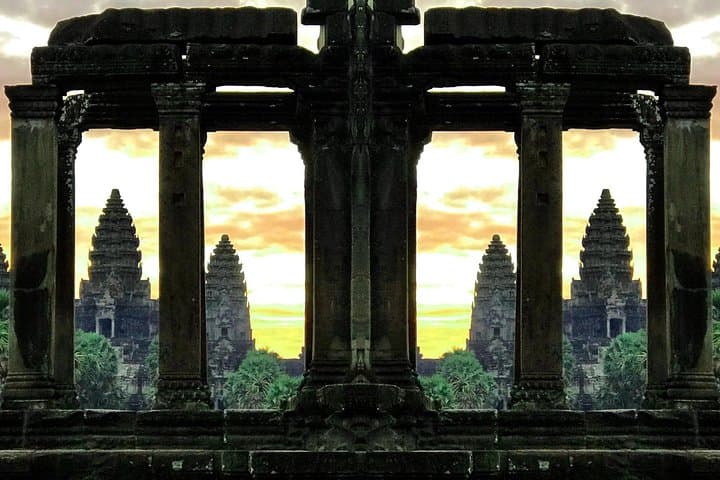
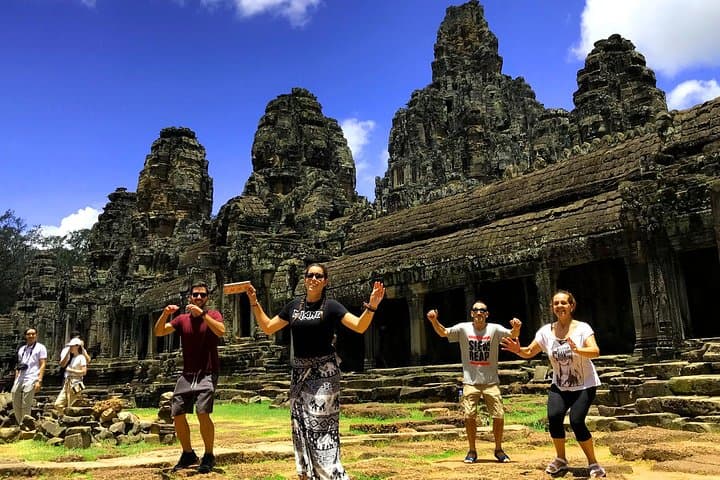
Dawn breaks over a broad, still moat and the first light picks out carved faces at Bayon; the air tastes faintly of dust and jasmine. On this two-day loop from Siem Reap you move from the compact drama of the Small Circuit — South Gate of Angkor Thom, Bayon’s hundred faces, Ta Prohm’s root-wrapped corridors and the vast galleries of Angkor Wat — to the raw, overgrown geometry of Beng Mealea and the liquid life of Tonle Sap.
Verified experiences and guided adventures in the surrounding area.
Operated by Peacock Asia Tours · Siem Reap, Siem Reap Province
Dawn breaks over a broad, still moat and the first light picks out carved faces at Bayon; the air tastes faintly of dust and jasmine. On this two-day loop from Siem Reap you move from the compact drama of the Small Circuit — South Gate of Angkor Thom, Bayon’s hundred faces, Ta Prohm’s root-wrapped corridors and the vast galleries of Angkor Wat — to the raw, overgrown geometry of Beng Mealea and the liquid life of Tonle Sap.
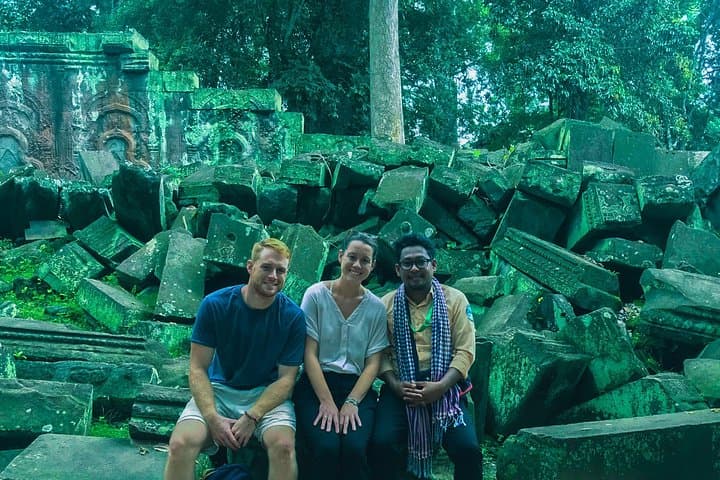
These sites span Khmer history: 9th–12th century capitals, sandstone blocks cut and moved by an empire whose hydraulics reshaped the plain. Beng Mealea sits largely unrestored, its collapsed galleries giving you an almost archeological, exploratory feel; Tonle Sap flips the script seasonally as water pushes into villages and forests, remaking daily life.
Expect long, slow walking, uneven stone surfaces and humid afternoons. Timing matters: mornings are cooler and quieter, late afternoons bring golden light for photography and sunset views from Phnom Bakheng’s summit. Guides will navigate both crowds and the etiquette around sacred spaces — shoulders and knees covered, low voices in sanctuaries.
Practical notes: the Angkor ticket is required (purchase at the official center; 1-day passes available), bring cash for local purchases, and plan for insect-prone boat rides on Tonle Sap. Hydration, sun protection and steady footwear make the difference between a pleasant cultural trek and a tiring slog. This tour blends monumental architecture, jungle reclamation and living waters — a compact, tactile portrait of Cambodia’s heritage and ecology.
easy.
2 days (approx. 8–10 hours per day).
Basic walking stamina; able to handle uneven, stepped stone and several hours on foot each day.
No; the Angkor pass is purchased at the official ticket center near Siem Reap—1-day passes are commonly used for short circuits.
Yes; the itinerary is labeled suitable for all fitness levels, though some temple steps and uneven ground may be challenging for limited mobility.
Yes; the tour includes local boat rides around Kampong Phluk; operators typically provide life jackets but check before boarding.
Drones are restricted around many Angkor sites and require permission from authorities—ask your guide to avoid fines.
Angkor’s monuments were built and reworked between the 9th and 13th centuries under Khmer kings who engineered vast reservoir systems that supported the capital’s population.
Tourism pressure and water-level changes affect stone conservation and local livelihoods—stick to marked paths, avoid touching bas-reliefs and use local operators who support community benefits.
Peacock Asia Tours operates guided outdoor trips and adventures with an emphasis on safety, stewardship, and memorable experiences.
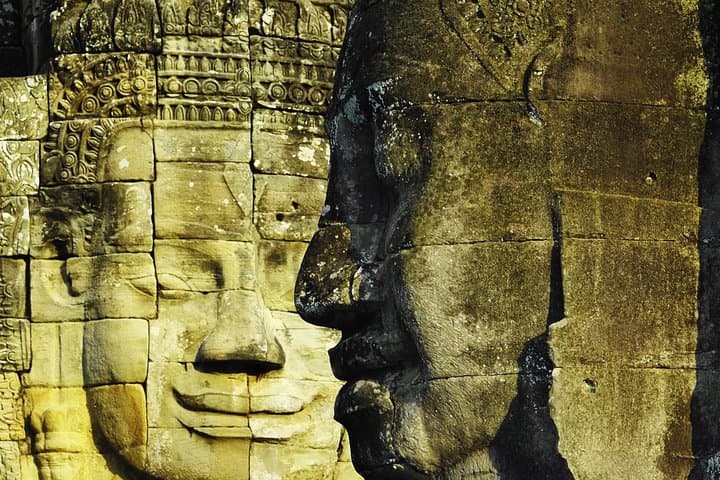
Dawn breaks over a broad, still moat and the first light picks out carved faces at Bayon; the air tastes faintly of dust and jasmine. On this two-day loop from Siem Reap you move from the compact drama of the Small Circuit — South Gate of Angkor Thom, Bayon’s hundred faces, Ta Prohm’s root-wrapped corridors and the vast galleries of Angkor Wat — to the raw, overgrown geometry of Beng Mealea and the liquid life of Tonle Sap.
Dawn breaks over a broad, still moat and the first light picks out carved faces at Bayon; the air tastes faintly of dust and jasmine. On this two-day loop from Siem Reap you move from the compact drama of the Small Circuit — South Gate of Angkor Thom, Bayon’s hundred faces, Ta Prohm’s root-wrapped corridors and the vast galleries of Angkor Wat — to the raw, overgrown geometry of Beng Mealea and the liquid life of Tonle Sap.
These sites span Khmer history: 9th–12th century capitals, sandstone blocks cut and moved by an empire whose hydraulics reshaped the plain. Beng Mealea sits largely unrestored, its collapsed galleries giving you an almost archeological, exploratory feel; Tonle Sap flips the script seasonally as water pushes into villages and forests, remaking daily life.
Expect long, slow walking, uneven stone surfaces and humid afternoons. Timing matters: mornings are cooler and quieter, late afternoons bring golden light for photography and sunset views from Phnom Bakheng’s summit. Guides will navigate both crowds and the etiquette around sacred spaces — shoulders and knees covered, low voices in sanctuaries.
Practical notes: the Angkor ticket is required (purchase at the official center; 1-day passes available), bring cash for local purchases, and plan for insect-prone boat rides on Tonle Sap. Hydration, sun protection and steady footwear make the difference between a pleasant cultural trek and a tiring slog. This tour blends monumental architecture, jungle reclamation and living waters — a compact, tactile portrait of Cambodia’s heritage and ecology.