THE ADVENTURE COLLECTIVE® · Independent discovery and booking for outdoor travel

Spend two days moving from Angkor Wat and Bayon’s carved faces to the mossed corridors of Beng Mealea and the refreshing falls of Phnom Kulen. This guided private tour pairs early starts with quieter afternoons and practical pacing to see more without rushing.
Spend two days moving from Angkor Wat and Bayon’s carved faces to the mossed corridors of Beng Mealea and the refreshing falls of Phnom Kulen. This guided private tour pairs early starts with quieter afternoons and practical pacing to see more without rushing.
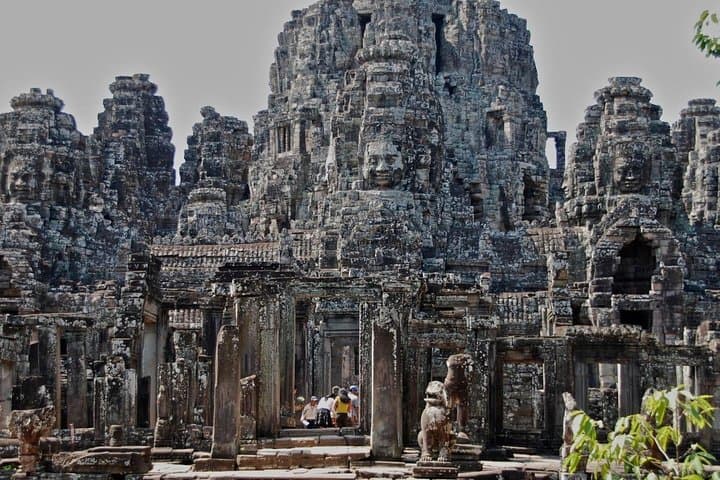
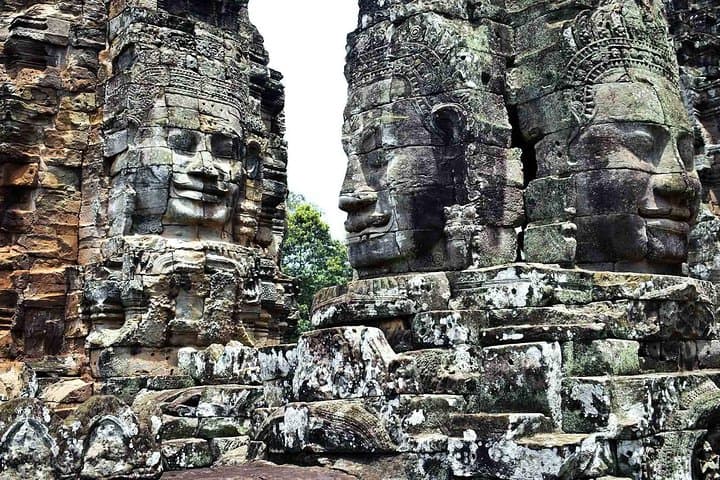
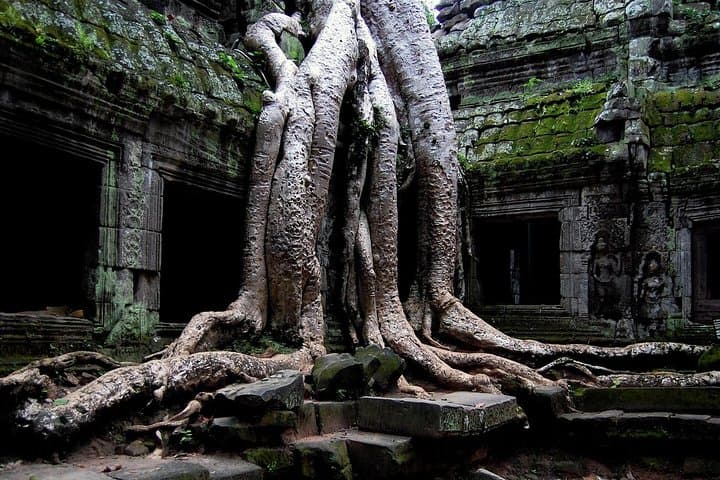
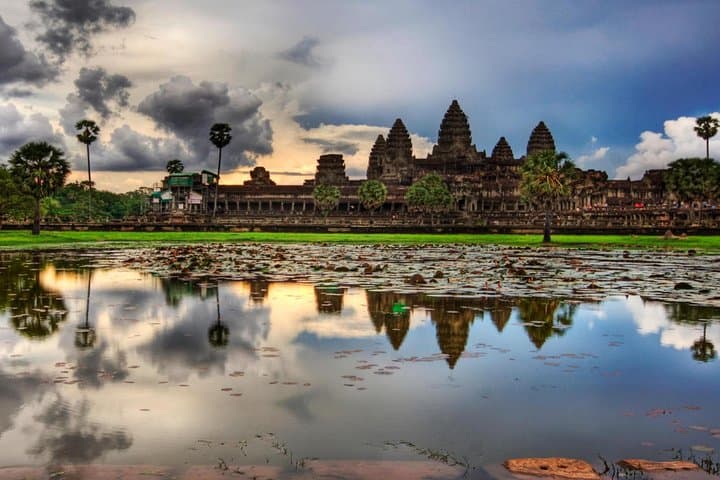
Morning light cuts across the Angkor plain like a ruler, revealing the terrace walls and the carved faces of Bayon as the tour sets off through the south gate of Angkor Thom. The guide threads stories of kings and cosmology into the stones while you move from the forest-hugged galleries of Ta Prohm to the broad bas-reliefs of Angkor Wat, each step a measure of a civilization’s reach.
Verified experiences and guided adventures in the surrounding area.
Operated by Angkor Wat Travel Tour · Siem Reap, Siem Reap
Morning light cuts across the Angkor plain like a ruler, revealing the terrace walls and the carved faces of Bayon as the tour sets off through the south gate of Angkor Thom. The guide threads stories of kings and cosmology into the stones while you move from the forest-hugged galleries of Ta Prohm to the broad bas-reliefs of Angkor Wat, each step a measure of a civilization’s reach.
Built in the early 12th century under Suryavarman II, Angkor Wat anchors a landscape shaped by monsoon-fed rivers and laterite foundations. Bayon’s many faces reflect the region’s shift from Hindu to Mahayana Buddhist patronage; Ta Prohm’s trees press their roots through lintels, a visual record of reclamation. On day two the route climbs Phnom Kulen, where the River of 1,000 Lingas—rock-carved phallic motifs—carries cool water over sandstone shelves and invites a short, shaded swim. Beng Mealea sits farther east, a remote ruin of collapsed galleries and mossed blocks that rewards careful scrambling and quiet exploration.
Practical guidance: expect mostly flat driving between sites with short to moderate walks on uneven stone and jungle trails; wear sturdy shoes, bring sun protection, and carry a refillable water bottle. Start early to avoid heat and crowds; the guide will manage timing but allocate 6–8 hours each day for a paced experience. Respect temple rules: cover shoulders and knees, avoid climbing on fragile carvings, and leave no trace. This two-day itinerary balances temple immersion with a touch of off-the-beaten-track discovery, ideal for travelers seeking history, geology, and a hands-on encounter with Cambodia’s living past.
moderate.
2 days (approx. 6–8 hours per day).
Moderate fitness: able to walk 3–6 miles across uneven terrain and climb short stone steps.
Angkor Park admission is usually separate from tours; verify ticket inclusion when booking—most operators can arrange passes for you.
Yes, the itinerary is labeled physically easy, but Beng Mealea requires some scrambling; consider mobility and comfort with uneven ground.
Conservative clothing that covers shoulders and knees is required; breathable fabrics work best in the heat.
Yes, there are swimming areas at Phnom Kulen, but always follow local signage and the guide’s advice regarding safety and currents.
Angkor Wat was built in the early 12th century by King Suryavarman II as a Hindu temple complex later adapted to Buddhist worship, reflecting political and religious shifts across the Khmer Empire.
Visitor pressure and vegetation growth threaten fragile stonework; stick to designated paths, avoid touching carvings, and support operators who respect site protection fees.
Angkor Wat Travel Tour operates guided outdoor trips and adventures with an emphasis on safety, stewardship, and memorable experiences.
Morning light cuts across the Angkor plain like a ruler, revealing the terrace walls and the carved faces of Bayon as the tour sets off through the south gate of Angkor Thom. The guide threads stories of kings and cosmology into the stones while you move from the forest-hugged galleries of Ta Prohm to the broad bas-reliefs of Angkor Wat, each step a measure of a civilization’s reach.
Morning light cuts across the Angkor plain like a ruler, revealing the terrace walls and the carved faces of Bayon as the tour sets off through the south gate of Angkor Thom. The guide threads stories of kings and cosmology into the stones while you move from the forest-hugged galleries of Ta Prohm to the broad bas-reliefs of Angkor Wat, each step a measure of a civilization’s reach.
Built in the early 12th century under Suryavarman II, Angkor Wat anchors a landscape shaped by monsoon-fed rivers and laterite foundations. Bayon’s many faces reflect the region’s shift from Hindu to Mahayana Buddhist patronage; Ta Prohm’s trees press their roots through lintels, a visual record of reclamation. On day two the route climbs Phnom Kulen, where the River of 1,000 Lingas—rock-carved phallic motifs—carries cool water over sandstone shelves and invites a short, shaded swim. Beng Mealea sits farther east, a remote ruin of collapsed galleries and mossed blocks that rewards careful scrambling and quiet exploration.
Practical guidance: expect mostly flat driving between sites with short to moderate walks on uneven stone and jungle trails; wear sturdy shoes, bring sun protection, and carry a refillable water bottle. Start early to avoid heat and crowds; the guide will manage timing but allocate 6–8 hours each day for a paced experience. Respect temple rules: cover shoulders and knees, avoid climbing on fragile carvings, and leave no trace. This two-day itinerary balances temple immersion with a touch of off-the-beaten-track discovery, ideal for travelers seeking history, geology, and a hands-on encounter with Cambodia’s living past.