THE ADVENTURE COLLECTIVE® · Independent discovery and booking for outdoor travel

A compact, action-packed two-day itinerary through Torres del Paine that includes the iconic Base Torres trek, campsite nights at Pehoé, and the archaeological and scenic Aonikenk Trail. Perfect for hikers who want a concentrated taste of Patagonia’s best.
A compact, action-packed two-day itinerary through Torres del Paine that includes the iconic Base Torres trek, campsite nights at Pehoé, and the archaeological and scenic Aonikenk Trail. Perfect for hikers who want a concentrated taste of Patagonia’s best.
You step out of the van where wind and light carve the Paine massif into hard angles; the towers rise like granite sentries and the glacier lagoon below dares you to keep going. On Day 1 the route pulls you inland along scree and lenga forest toward the Mirador Base Torres — a 22 km round-trip that typically takes about eight hours. The final approach opens onto a bowl where ice-blue water sits beneath the vertical faces, an uncompromising panorama earned by steady, breath-driven effort.
Verified experiences and guided adventures in the surrounding area.
Operated by W circuit patagonia · Puerto Natales, Magallanes y de la Antártica Chilena
You step out of the van where wind and light carve the Paine massif into hard angles; the towers rise like granite sentries and the glacier lagoon below dares you to keep going. On Day 1 the route pulls you inland along scree and lenga forest toward the Mirador Base Torres — a 22 km round-trip that typically takes about eight hours. The final approach opens onto a bowl where ice-blue water sits beneath the vertical faces, an uncompromising panorama earned by steady, breath-driven effort.
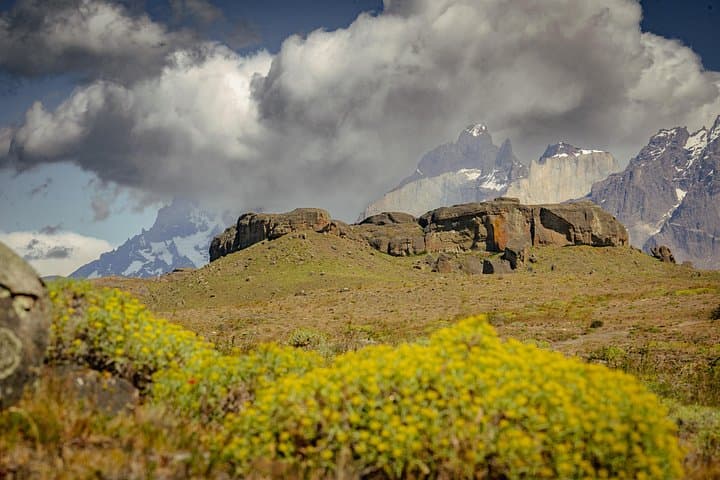
Geology here is blunt and readable: granite towers pushed up and then sheared by ice, glacial lakes etched into bedrock. The area has long human layers too — the Aonikenk peoples left traces across the landscape, and modern conservation established Torres del Paine National Park to protect these sharp ecosystems and their wildlife.
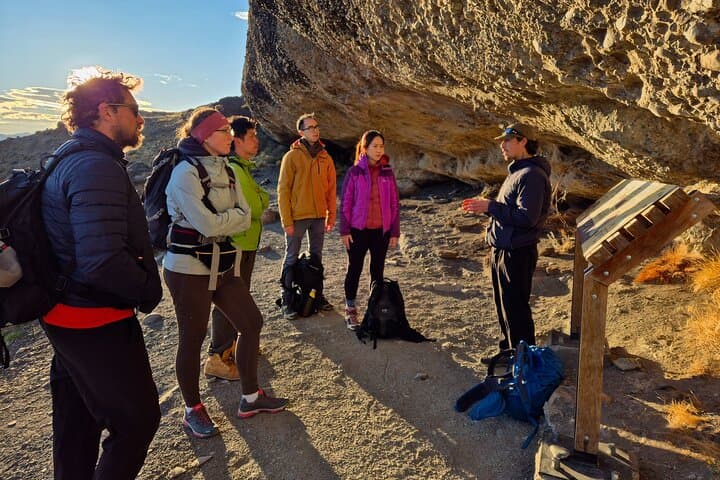
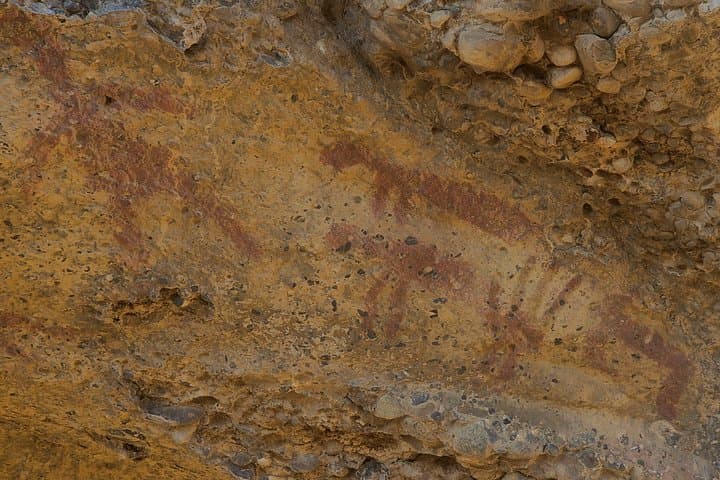
Day 1 finishes at Camping Pehoé on the lakeshore, where reflections of the massif change with the wind. Day 2 moves lighter: a 2‑hour ascent to Mirador Cóndor, a short trek to the Horns Lookout above Lake Nordenskjöld, then the Aonikenk Trail, where cave paintings and endemic flora meet the Paine River’s push.
Practicalities matter: register at Laguna Amarga/CONAF, expect changeable weather, and prepare for sustained uphill sections and exposed ridgelines. Carry layered clothing, at least 2–3 liters of water, snacks, sunscreen and a headlamp. Guides provide security briefings and, in winter, crampons and poles. Start hikes early to avoid afternoon wind and to give yourself margin on descents — the landscape is honest and will show you exactly what you’ve earned.
challenging.
2 days (approx. 8–10 hours hiking Day 1, 4–6 hours Day 2).
Requires good cardiovascular fitness and experience with sustained uphill hiking and uneven terrain.
The trail is 22 km round-trip with sustained climbs and uneven terrain; expect about 8 hours round-trip and classify it as challenging — good fitness is required.
You must register with CONAF at the park entrance (Portería Laguna Amarga); the tour handles guides and campsite accommodation but CONAF registration is required on arrival.
This itinerary includes guided trekking, campsite accommodation at Pehoé with full board, transport in an air-conditioned vehicle, breakfasts, lunches and dinners as listed, and security briefings; winter gear like crampons/poles are provided when needed.
Summer (December–February) offers the longest daylight and milder temperatures, but shoulder seasons have fewer people; be ready for wind and rapid weather shifts any time of year.
The area holds archaeological evidence of the Aonikenk (Tehuelche) peoples and was later protected when Torres del Paine National Park was created to conserve its unique Patagonian landscapes.
Visitors are asked to stay on established trails, pack out waste and follow CONAF rules; concentrated foot traffic and unmanaged camping can damage fragile soils and native vegetation.
W circuit patagonia operates guided outdoor trips and adventures with an emphasis on safety, stewardship, and memorable experiences.
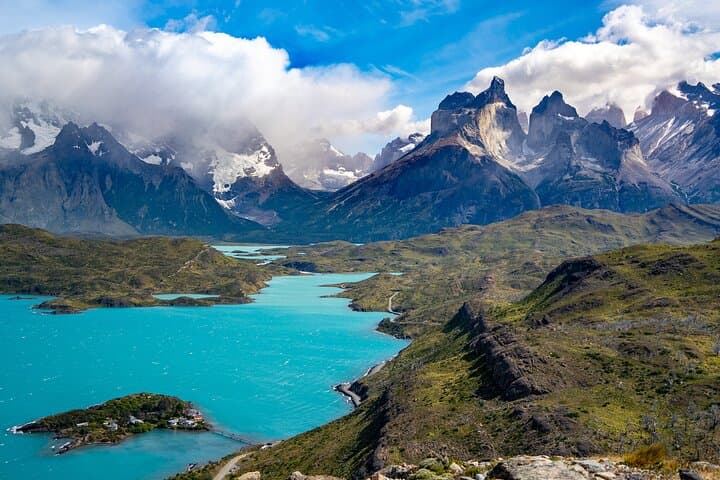
You step out of the van where wind and light carve the Paine massif into hard angles; the towers rise like granite sentries and the glacier lagoon below dares you to keep going. On Day 1 the route pulls you inland along scree and lenga forest toward the Mirador Base Torres — a 22 km round-trip that typically takes about eight hours. The final approach opens onto a bowl where ice-blue water sits beneath the vertical faces, an uncompromising panorama earned by steady, breath-driven effort.
You step out of the van where wind and light carve the Paine massif into hard angles; the towers rise like granite sentries and the glacier lagoon below dares you to keep going. On Day 1 the route pulls you inland along scree and lenga forest toward the Mirador Base Torres — a 22 km round-trip that typically takes about eight hours. The final approach opens onto a bowl where ice-blue water sits beneath the vertical faces, an uncompromising panorama earned by steady, breath-driven effort.
Geology here is blunt and readable: granite towers pushed up and then sheared by ice, glacial lakes etched into bedrock. The area has long human layers too — the Aonikenk peoples left traces across the landscape, and modern conservation established Torres del Paine National Park to protect these sharp ecosystems and their wildlife.
Day 1 finishes at Camping Pehoé on the lakeshore, where reflections of the massif change with the wind. Day 2 moves lighter: a 2‑hour ascent to Mirador Cóndor, a short trek to the Horns Lookout above Lake Nordenskjöld, then the Aonikenk Trail, where cave paintings and endemic flora meet the Paine River’s push.
Practicalities matter: register at Laguna Amarga/CONAF, expect changeable weather, and prepare for sustained uphill sections and exposed ridgelines. Carry layered clothing, at least 2–3 liters of water, snacks, sunscreen and a headlamp. Guides provide security briefings and, in winter, crampons and poles. Start hikes early to avoid afternoon wind and to give yourself margin on descents — the landscape is honest and will show you exactly what you’ve earned.