THE ADVENTURE COLLECTIVE® · Independent discovery and booking for outdoor travel

A two-day guided hike from Antigua to Acatenango’s Ixcanul camp combines volcanic geology, highland culture, and a pre-dawn summit for sunrise over Fuego. Expect steep volcanic trails, rustic camp cabins, and a rewarding but strenuous climb.
A two-day guided hike from Antigua to Acatenango’s Ixcanul camp combines volcanic geology, highland culture, and a pre-dawn summit for sunrise over Fuego. Expect steep volcanic trails, rustic camp cabins, and a rewarding but strenuous climb.
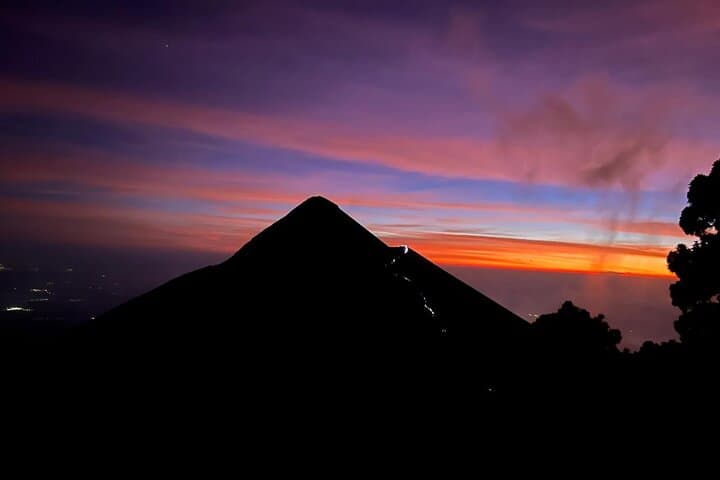
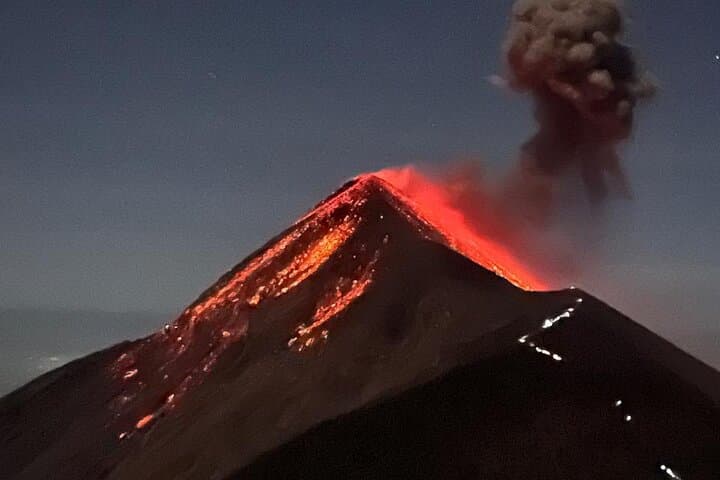
A wind from the highlands pushes across a blackened ridge as hikers break from the pine-scrub trail and look toward Fuego’s glowing throat — this is the view that defines Acatenango. The two-day tour from Antigua moves deliberately: a drive to La Soledad, a steady climb through farmland and cloud forest, and a night at Ixcanul camp with Fuego’s eruptions punctuating the dark.
Verified experiences and guided adventures in the surrounding area.
Operated by Experience GT · Antigua Guatemala, Sacatepéquez
A wind from the highlands pushes across a blackened ridge as hikers break from the pine-scrub trail and look toward Fuego’s glowing throat — this is the view that defines Acatenango. The two-day tour from Antigua moves deliberately: a drive to La Soledad, a steady climb through farmland and cloud forest, and a night at Ixcanul camp with Fuego’s eruptions punctuating the dark.
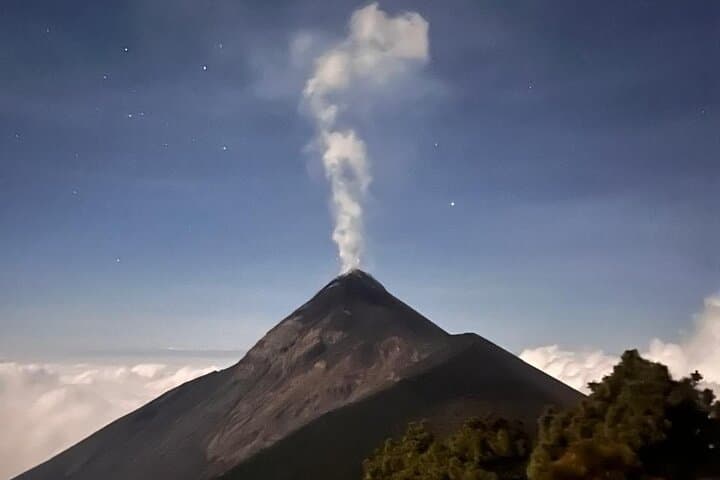
Geology here is immediate: Acatenango is a stratovolcano whose layered slopes preserve old lava and ash from repeated eruptions, and Fuego — its more active neighbor — punctuates the skyline with incandescent bursts. Culturally, the route crosses highland communities where coffee and maize shape daily life; the camp’s name, Ixcanul, borrows from the Mayan word for the mountain’s inner force.
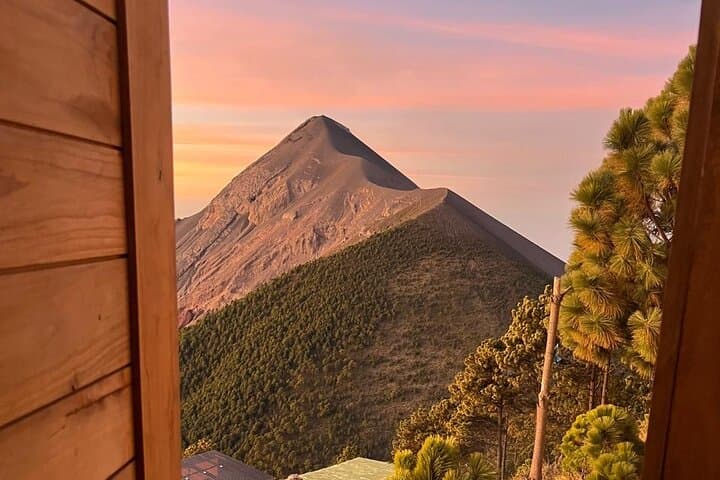
Expect steep switchbacks, loose volcanic scree, and altitude reaching near 3,976 m. The climb to camp totals roughly 5 hours for fit hikers, with an early-morning 1.5–3 hour summit push for sunrise. Tents and wood cabins at camp sleep in bunks; hot chocolate by the fire and hearty meals restore energy. Guides handle permits, some fees, and group safety, but the ascent demands sustained effort, layered warmth, and good footwear.
Practical pointers: hydrate before you ascend, move at a steady pace to manage altitude, and carry a headlamp for pre-dawn starts. If you go for the optional approach to Fuego’s viewpoint, expect cold, wind, and spectacular but unpredictable volcanic activity. Leave no trace — these slopes are fragile and the views are earned.
challenging.
2 days (approx. 48 hours).
Be in strong aerobic shape—regular hikers who can manage sustained uphill effort for 4–6 hours at a time will do best.
The ascent is strenuous: expect 4–6 hours to reach camp from the trailhead and a 1.5–3 hour pre-dawn push to the summit; good fitness and steady pacing are essential.
Typical inclusions are private transport from Antigua, guided hikes, permits, meals, basic camp accommodation (bunk beds, sleeping bags/blankets), and some emergency gear; verify exact inclusions with the operator.
Yes—altitude approaches 3,976 m. Hydrate, rest, ascend slowly, and notify guides immediately if you experience severe headache, nausea, or dizziness.
Yes—Ixcanul camp offers direct views of Fuego; eruptions are frequent but unpredictable, so keep a safe distance and follow guide instructions.
The Acatenango massif has long been part of highland Mayan territory; local communities historically farmed its slopes and used volcanic soils for coffee and maize cultivation.
Trails pass fragile volcanic soils and highland vegetation; follow leave-no-trace practices, pack out waste, and note that park fees support trail maintenance and local park rangers.
Experience GT operates guided outdoor trips and adventures with an emphasis on safety, stewardship, and memorable experiences.
A wind from the highlands pushes across a blackened ridge as hikers break from the pine-scrub trail and look toward Fuego’s glowing throat — this is the view that defines Acatenango. The two-day tour from Antigua moves deliberately: a drive to La Soledad, a steady climb through farmland and cloud forest, and a night at Ixcanul camp with Fuego’s eruptions punctuating the dark.
A wind from the highlands pushes across a blackened ridge as hikers break from the pine-scrub trail and look toward Fuego’s glowing throat — this is the view that defines Acatenango. The two-day tour from Antigua moves deliberately: a drive to La Soledad, a steady climb through farmland and cloud forest, and a night at Ixcanul camp with Fuego’s eruptions punctuating the dark.
Geology here is immediate: Acatenango is a stratovolcano whose layered slopes preserve old lava and ash from repeated eruptions, and Fuego — its more active neighbor — punctuates the skyline with incandescent bursts. Culturally, the route crosses highland communities where coffee and maize shape daily life; the camp’s name, Ixcanul, borrows from the Mayan word for the mountain’s inner force.
Expect steep switchbacks, loose volcanic scree, and altitude reaching near 3,976 m. The climb to camp totals roughly 5 hours for fit hikers, with an early-morning 1.5–3 hour summit push for sunrise. Tents and wood cabins at camp sleep in bunks; hot chocolate by the fire and hearty meals restore energy. Guides handle permits, some fees, and group safety, but the ascent demands sustained effort, layered warmth, and good footwear.
Practical pointers: hydrate before you ascend, move at a steady pace to manage altitude, and carry a headlamp for pre-dawn starts. If you go for the optional approach to Fuego’s viewpoint, expect cold, wind, and spectacular but unpredictable volcanic activity. Leave no trace — these slopes are fragile and the views are earned.