THE ADVENTURE COLLECTIVE® · Independent discovery and booking for outdoor travel

A compact, two-day cultural circuit from Luxor that pairs Aswan’s riverfront temples and quarry sites with a pre-dawn journey to the awe-inspiring Abu Simbel temples—relocated to save them from the rising waters of Lake Nasser.
A compact, two-day cultural circuit from Luxor that pairs Aswan’s riverfront temples and quarry sites with a pre-dawn journey to the awe-inspiring Abu Simbel temples—relocated to save them from the rising waters of Lake Nasser.
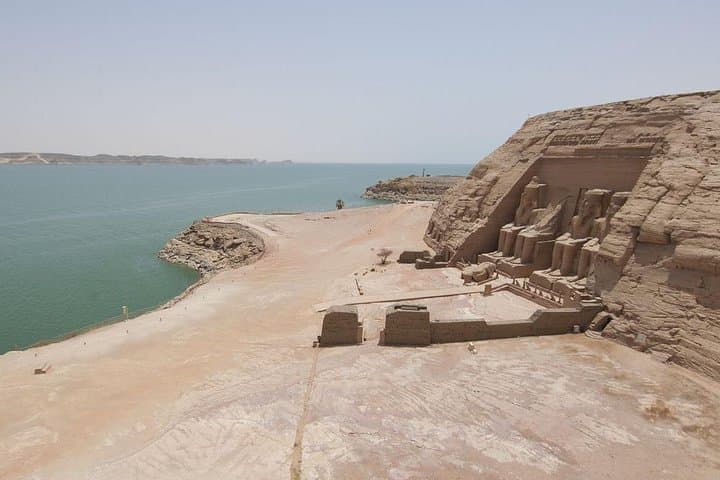
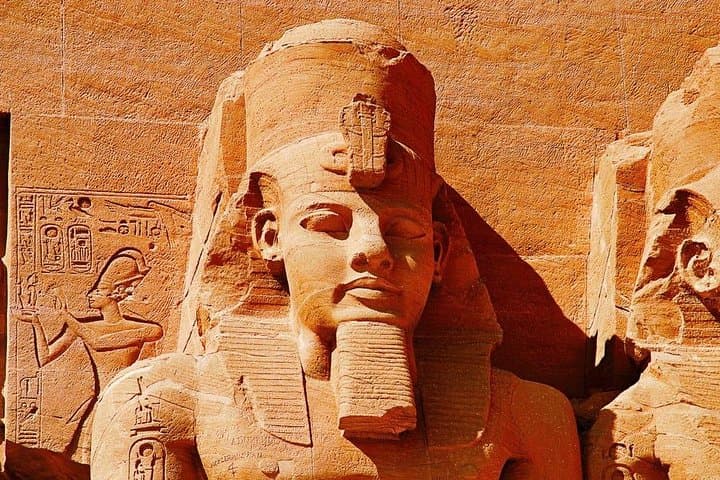
Dawn breaks over the Nile as your vehicle pulls away from Luxor and the desert widens into ochre plains. By late afternoon the river reasserts itself at Aswan—palm-shaded banks, the low hum of feluccas, and the first glimpse of Philae’s columns rising from Agilkia Island. The next morning you rise before sunrise for the road to Abu Simbel, where four colossal figures of Ramesses II stare out across a reclaimed horizon.
Verified experiences and guided adventures in the surrounding area.
Operated by Egypt Lovely Tours · Abu Simbel, Aswan Governorate
Dawn breaks over the Nile as your vehicle pulls away from Luxor and the desert widens into ochre plains. By late afternoon the river reasserts itself at Aswan—palm-shaded banks, the low hum of feluccas, and the first glimpse of Philae’s columns rising from Agilkia Island. The next morning you rise before sunrise for the road to Abu Simbel, where four colossal figures of Ramesses II stare out across a reclaimed horizon.
This two-day route threads through layers of Egyptian history and modern engineering: Philae Temple, dedicated to Isis and moved stone-by-stone after the High Dam’s construction; the Unfinished Obelisk in the Aswan quarries that reveals ancient stoneworking; the High Dam itself, reshaping the Nile and creating Lake Nasser; and the twin temples of Abu Simbel, relocated in the 1960s under an international UNESCO rescue. Geology is visible in granite outcrops and the red desert that protects these monuments from wind-blown sand.
Practicalities are straightforward: expect long drives (Aswan–Abu Simbel is ~280 km one way round trip from Aswan), early starts, and short, paved walks at sites with stairs. Bring sun protection, carry a refillable water bottle, and plan for tight schedules—photo stops are limited. Photography is allowed at most sites but follow guide instructions. Overnight accommodation in Aswan breaks the trip’s rhythm, letting you swap highway hours for a felucca glide and a relaxed evening before the pre-dawn departure to Abu Simbel.
easy.
2 days (≈48 hours).
Suitable for travelers in normal physical condition; must manage long vehicle transfers and short walks on uneven stone
Entrance fees are typically not included in third-party listings; confirm with your operator whether tickets are covered or paid locally.
The road is about 280 km round trip from Aswan and takes roughly 3–4 hours each way, depending on stops and conditions.
Photography is allowed in most outdoor areas; follow guide instructions and signage—flash may be restricted in some interior chambers.
Yes—this itinerary is rated easy with long vehicle transfers; families and older travelers should be prepared for early starts and minimal walking distances at sites.
The Abu Simbel temples were moved in the 1960s in a UNESCO-led engineering campaign to save them from Lake Nasser after construction of the Aswan High Dam.
Visitors should stick to marked paths, avoid touching carved surfaces, and follow guide instructions to protect fragile stonework and the surrounding desert environment.
Egypt Lovely Tours operates guided outdoor trips and adventures with an emphasis on safety, stewardship, and memorable experiences.


Dawn breaks over the Nile as your vehicle pulls away from Luxor and the desert widens into ochre plains. By late afternoon the river reasserts itself at Aswan—palm-shaded banks, the low hum of feluccas, and the first glimpse of Philae’s columns rising from Agilkia Island. The next morning you rise before sunrise for the road to Abu Simbel, where four colossal figures of Ramesses II stare out across a reclaimed horizon.
Dawn breaks over the Nile as your vehicle pulls away from Luxor and the desert widens into ochre plains. By late afternoon the river reasserts itself at Aswan—palm-shaded banks, the low hum of feluccas, and the first glimpse of Philae’s columns rising from Agilkia Island. The next morning you rise before sunrise for the road to Abu Simbel, where four colossal figures of Ramesses II stare out across a reclaimed horizon.
This two-day route threads through layers of Egyptian history and modern engineering: Philae Temple, dedicated to Isis and moved stone-by-stone after the High Dam’s construction; the Unfinished Obelisk in the Aswan quarries that reveals ancient stoneworking; the High Dam itself, reshaping the Nile and creating Lake Nasser; and the twin temples of Abu Simbel, relocated in the 1960s under an international UNESCO rescue. Geology is visible in granite outcrops and the red desert that protects these monuments from wind-blown sand.
Practicalities are straightforward: expect long drives (Aswan–Abu Simbel is ~280 km one way round trip from Aswan), early starts, and short, paved walks at sites with stairs. Bring sun protection, carry a refillable water bottle, and plan for tight schedules—photo stops are limited. Photography is allowed at most sites but follow guide instructions. Overnight accommodation in Aswan breaks the trip’s rhythm, letting you swap highway hours for a felucca glide and a relaxed evening before the pre-dawn departure to Abu Simbel.