THE ADVENTURE COLLECTIVE® · Independent discovery and booking for outdoor travel

See Victoria Falls from both Zambia and Zimbabwe in a single, well-paced day: rainforest walks and 16 viewpoints on the Zimbabwe side, then up-close drama at Knife-Edge Bridge and the Boiling Pot in Zambia, followed by a Livingstone city tour.
See Victoria Falls from both Zambia and Zimbabwe in a single, well-paced day: rainforest walks and 16 viewpoints on the Zimbabwe side, then up-close drama at Knife-Edge Bridge and the Boiling Pot in Zambia, followed by a Livingstone city tour.
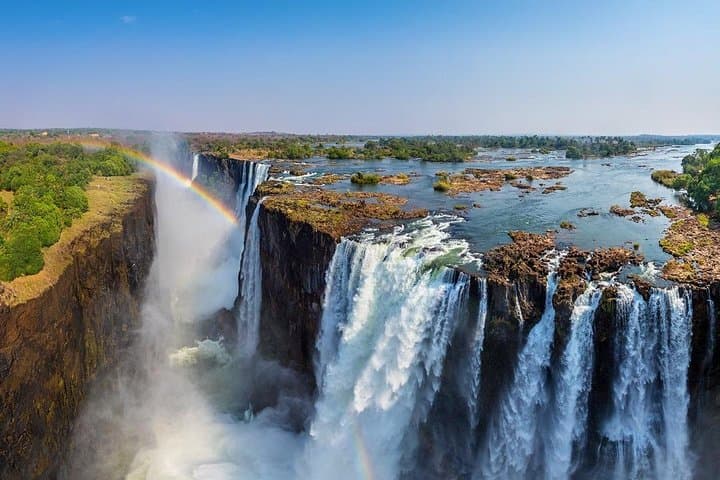
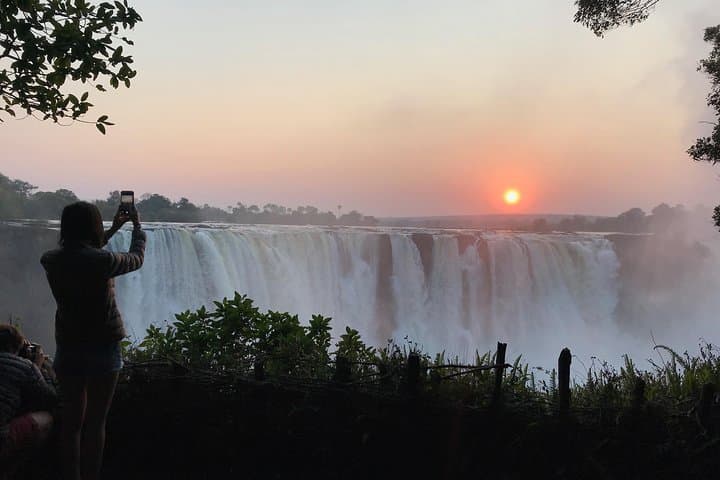
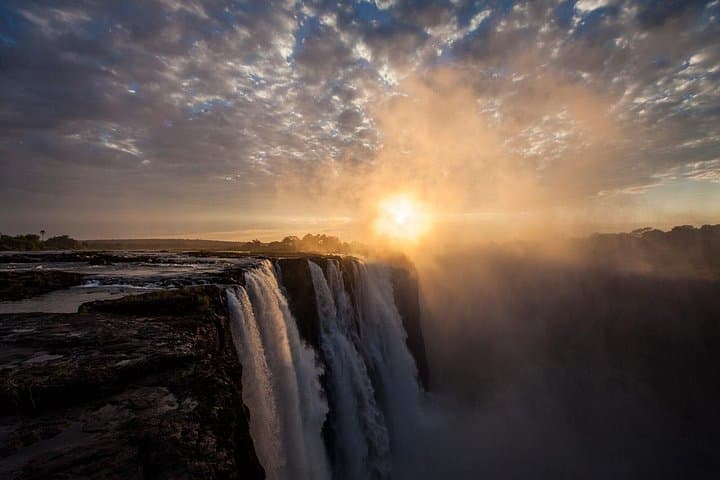
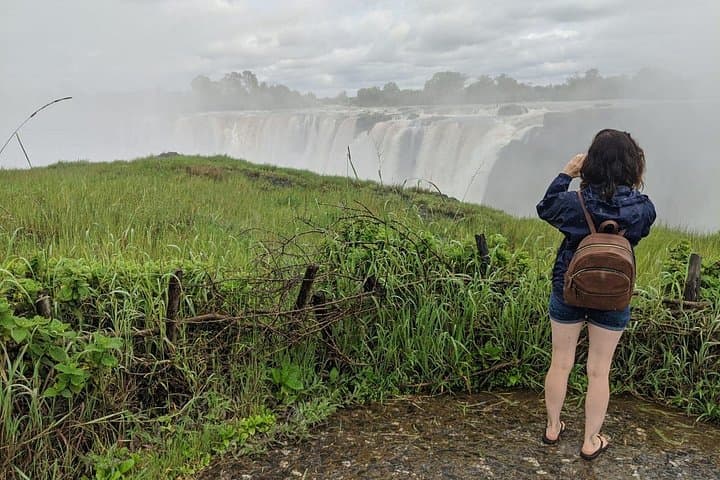
You step onto a mist-wet path and the roar arrives before the view — a thunderous curtain of water that fills the air with spray and a steady, tactile pressure against your chest. On the Zimbabwe side the rainforest opens into a sequence of vantage points, each framing a different facet of the Falls: the broad sweep of Main Falls, the plunging Horseshoe, the sudden flash of Rainbow Falls.
Verified experiences and guided adventures in the surrounding area.
Operated by Cuckoo Safaris · Livingstone, Southern Province
You step onto a mist-wet path and the roar arrives before the view — a thunderous curtain of water that fills the air with spray and a steady, tactile pressure against your chest. On the Zimbabwe side the rainforest opens into a sequence of vantage points, each framing a different facet of the Falls: the broad sweep of Main Falls, the plunging Horseshoe, the sudden flash of Rainbow Falls.
Geology here is dramatic and immediate: the Zambezi chisels basalt steps and deep plunge pools, cutting the gorge system that divides the two countries. Historically the Falls carried the name Mosi-oa-Tunya — the smoke that thunders — long before European explorers arrived. Cultural threads run from Lozi and Tonga communities to the colonial history captured in the Livingstone Museum, where the story of river trade, missionary routes and early exploration is on display.
As you cross the border into Zambia the perspective tightens — Knife-Edge Bridge and the Boiling Pot bring you close enough to feel the spray. Markets and museum stops in Livingstone add human texture: crafts, cooks, and the market vendors who keep daily life humming beyond the viewpoints.
Practical guidance: expect roughly a 7-hour day with moderate walking on wet, uneven trails; waterproof footwear and a light rain shell are useful. Bring passport and local currency for border formalities and market purchases. Plan for changing light — early or late visits deliver the best rainbows — and follow guides on designated paths to protect fragile vegetation and preserve views for everyone.
easy.
7 hours.
Suitable for most fitness levels; requires standing and walking on uneven, wet terrain for several hours.
Visa requirements depend on your nationality—check entry rules for both Zambia and Zimbabwe before travel; the operator assists with border procedures but you must carry the correct documents.
The tour is rated easy and suitable for most people, but some viewpoints involve uneven or wet paths; travelers with limited mobility should check accessibility details with the operator ahead of booking.
This specific itinerary covers guided walks and transfers but check the booking details for whether national park entry fees are included or paid on arrival—policies vary by operator.
Yes—most operators offer hotel pick-up and drop-off from both towns; confirm your pickup point when booking to coordinate border timing.
Known locally as Mosi-oa-Tunya, Victoria Falls has long been central to Lozi and Tonga communities and later became a landmark in 19th-century exploration and colonial routes.
Victoria Falls is a protected site with sensitive rainforest along the spray zone; stay on marked trails, avoid single-use plastics, and support community conservation initiatives to limit erosion and wildlife disturbance.
Cuckoo Safaris operates guided outdoor trips and adventures with an emphasis on safety, stewardship, and memorable experiences.
You step onto a mist-wet path and the roar arrives before the view — a thunderous curtain of water that fills the air with spray and a steady, tactile pressure against your chest. On the Zimbabwe side the rainforest opens into a sequence of vantage points, each framing a different facet of the Falls: the broad sweep of Main Falls, the plunging Horseshoe, the sudden flash of Rainbow Falls.
You step onto a mist-wet path and the roar arrives before the view — a thunderous curtain of water that fills the air with spray and a steady, tactile pressure against your chest. On the Zimbabwe side the rainforest opens into a sequence of vantage points, each framing a different facet of the Falls: the broad sweep of Main Falls, the plunging Horseshoe, the sudden flash of Rainbow Falls.
Geology here is dramatic and immediate: the Zambezi chisels basalt steps and deep plunge pools, cutting the gorge system that divides the two countries. Historically the Falls carried the name Mosi-oa-Tunya — the smoke that thunders — long before European explorers arrived. Cultural threads run from Lozi and Tonga communities to the colonial history captured in the Livingstone Museum, where the story of river trade, missionary routes and early exploration is on display.
As you cross the border into Zambia the perspective tightens — Knife-Edge Bridge and the Boiling Pot bring you close enough to feel the spray. Markets and museum stops in Livingstone add human texture: crafts, cooks, and the market vendors who keep daily life humming beyond the viewpoints.
Practical guidance: expect roughly a 7-hour day with moderate walking on wet, uneven trails; waterproof footwear and a light rain shell are useful. Bring passport and local currency for border formalities and market purchases. Plan for changing light — early or late visits deliver the best rainbows — and follow guides on designated paths to protect fragile vegetation and preserve views for everyone.