THE ADVENTURE COLLECTIVE® · Independent discovery and booking for outdoor travel

See two very different sides of Lowcountry history in one half-day trip: the sculpted, living gardens of Middleton Place and the architectural purity of Drayton Hall. This paired tour blends horticulture, colonial architecture, and candid historical interpretation along the Ashley River.
See two very different sides of Lowcountry history in one half-day trip: the sculpted, living gardens of Middleton Place and the architectural purity of Drayton Hall. This paired tour blends horticulture, colonial architecture, and candid historical interpretation along the Ashley River.
A humid Carolina morning splits the Ashley River with silver light as the van eases out of downtown Charleston. Spanish moss brushes the windshield; live oaks lean in as if to listen. In less than an hour you move from cobbled streets and steeples into broad, managed landscapes where gardens and classical stone meet history at human scale.
Verified experiences and guided adventures in the surrounding area.
Operated by Historic Charleston Tours · Charleston, South Carolina
A humid Carolina morning splits the Ashley River with silver light as the van eases out of downtown Charleston. Spanish moss brushes the windshield; live oaks lean in as if to listen. In less than an hour you move from cobbled streets and steeples into broad, managed landscapes where gardens and classical stone meet history at human scale.
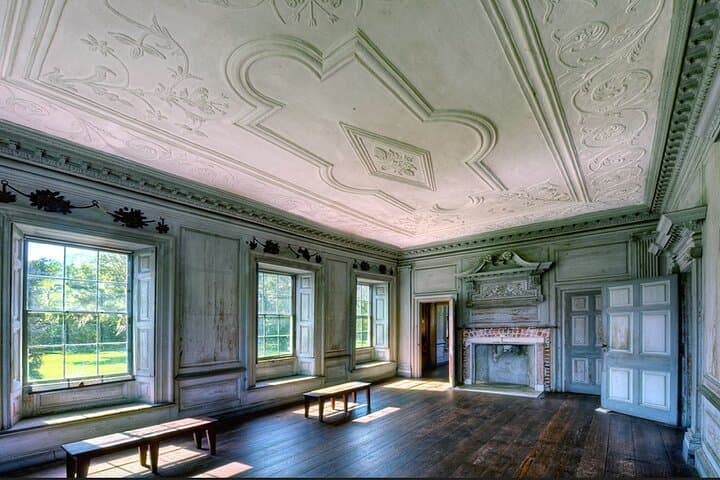
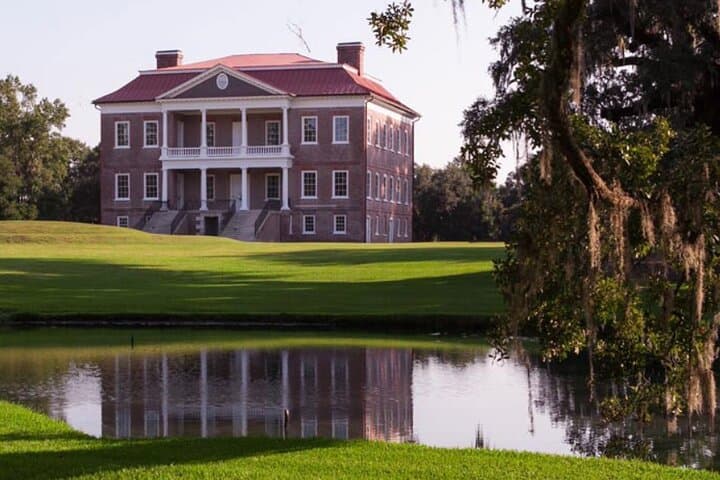
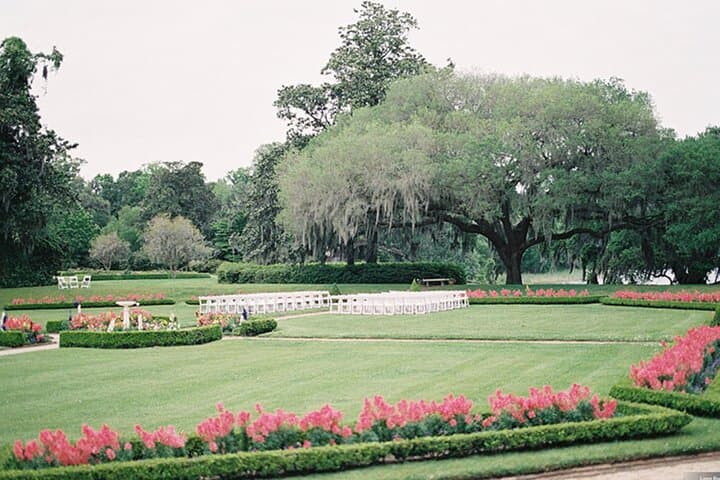
Middleton Place unfurls first: terraces of camellias and azaleas, centuries-old oaks, and the steady, choreographed work of living-history interpreters in the stable yards. The gardens read like a labor of design and maintenance—ordered, intentional, and edged by the stories of the enslaved labor that sustained them. Afterwards Drayton Hall presents a different silence: the house itself, a near-pristine example of Palladian proportion, resists modernization. Its balanced façade and unaltered rooms offer architectural clarity more than decorative excess.
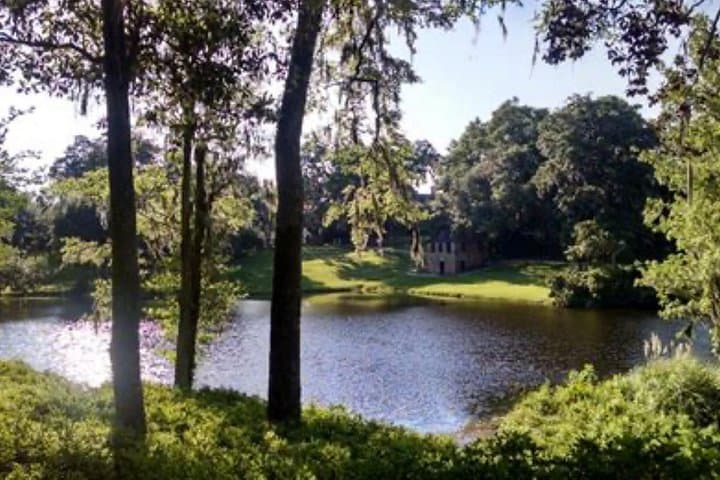
Together the two sites contrast cultivated landscape with architectural restraint, and both demand engagement with the Lowcountry’s complicated past. Geologically the area is low, marsh-influenced plain shaped by tidal flows; the Ashley River frames scenes of mudflats, oaks, and estuarine life.
Practical guidance: the full loop is about four hours including drives and two 60–90 minute stops; expect uneven paths, gravel, and steps at historic buildings. Bring sun protection, a refillable bottle, and comfortable closed-toe shoes; plan for heat and mosquitoes in summer. The tour uses an air-conditioned vehicle and typically includes short interpretive stops; book ahead, especially in spring bloom and fall shoulder seasons.
moderate.
4 hours.
Moderate — participants should be comfortable walking 1–2 miles on uneven surfaces and climbing a few stairs.
This tour typically does not include individual admission; verify at booking and have tickets ready if required.
Infants and small children can ride in strollers, but expect uneven paths; some historic interiors have stairs and limited stroller access.
Yes—both Middleton Place and Drayton Hall have separate visiting hours and on-site amenities; you can return on your own if you prefer more time.
Photography policies vary; exterior photography is generally permitted, but interior restrictions are often in place—follow site signage and staff directions.
Both estates trace colonial-era wealth tied to rice and plantation agriculture; Middleton Place is famed for its landscaped terraces while Drayton Hall exemplifies Palladian design and has avoided modernization.
Both sites are active in historic preservation and public interpretation; visitors can support conservation through on-site donations and by following Leave No Trace guidelines to protect gardens and river habitats.
Historic Charleston Tours operates guided outdoor trips and adventures with an emphasis on safety, stewardship, and memorable experiences.
A humid Carolina morning splits the Ashley River with silver light as the van eases out of downtown Charleston. Spanish moss brushes the windshield; live oaks lean in as if to listen. In less than an hour you move from cobbled streets and steeples into broad, managed landscapes where gardens and classical stone meet history at human scale.
A humid Carolina morning splits the Ashley River with silver light as the van eases out of downtown Charleston. Spanish moss brushes the windshield; live oaks lean in as if to listen. In less than an hour you move from cobbled streets and steeples into broad, managed landscapes where gardens and classical stone meet history at human scale.
Middleton Place unfurls first: terraces of camellias and azaleas, centuries-old oaks, and the steady, choreographed work of living-history interpreters in the stable yards. The gardens read like a labor of design and maintenance—ordered, intentional, and edged by the stories of the enslaved labor that sustained them. Afterwards Drayton Hall presents a different silence: the house itself, a near-pristine example of Palladian proportion, resists modernization. Its balanced façade and unaltered rooms offer architectural clarity more than decorative excess.
Together the two sites contrast cultivated landscape with architectural restraint, and both demand engagement with the Lowcountry’s complicated past. Geologically the area is low, marsh-influenced plain shaped by tidal flows; the Ashley River frames scenes of mudflats, oaks, and estuarine life.
Practical guidance: the full loop is about four hours including drives and two 60–90 minute stops; expect uneven paths, gravel, and steps at historic buildings. Bring sun protection, a refillable bottle, and comfortable closed-toe shoes; plan for heat and mosquitoes in summer. The tour uses an air-conditioned vehicle and typically includes short interpretive stops; book ahead, especially in spring bloom and fall shoulder seasons.