THE ADVENTURE COLLECTIVE® · Independent discovery and booking for outdoor travel

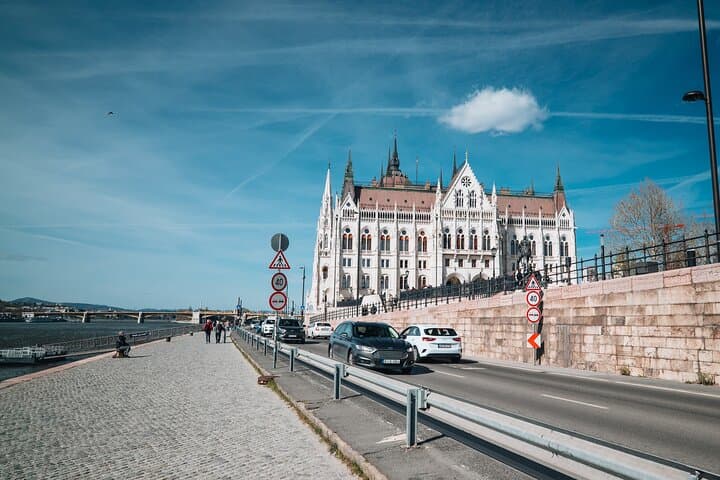
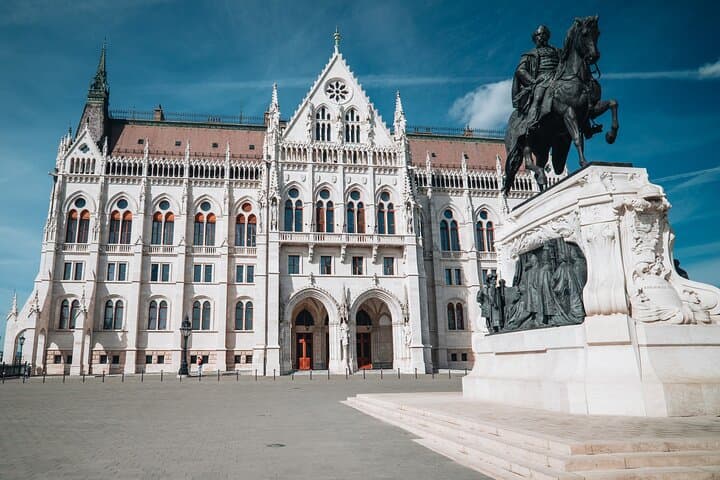
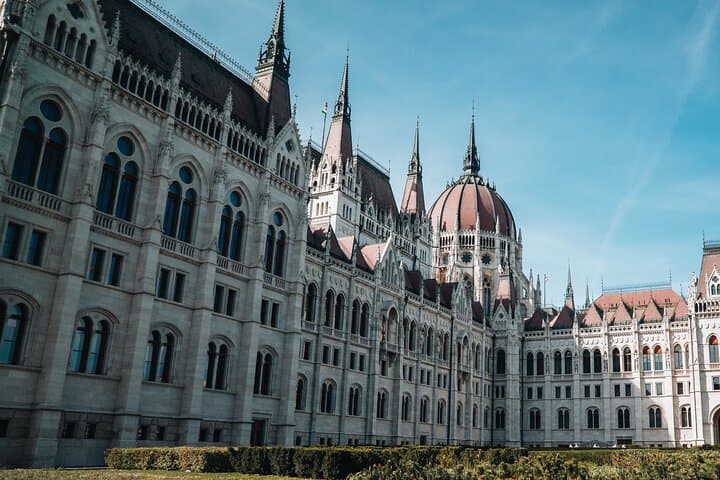
See two Central European capitals in one long, efficient day from Vienna. This coach-and-walk tour balances guided highlights—Bratislava Castle, Old Town, Hungarian Parliament—with free time in Budapest to eat, shop, or explore on your own.
See two Central European capitals in one long, efficient day from Vienna. This coach-and-walk tour balances guided highlights—Bratislava Castle, Old Town, Hungarian Parliament—with free time in Budapest to eat, shop, or explore on your own.
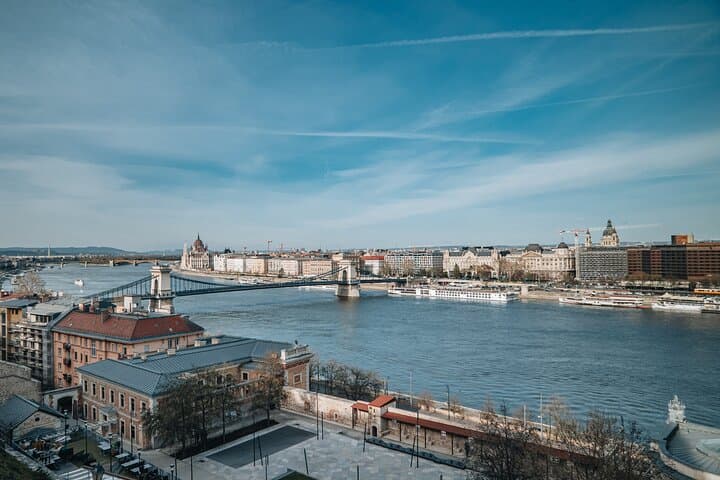
You step onto the coach in Vienna before dawn and watch the Danube broaden into a ribbon that dares you onward—first toward Bratislava’s castle silhouette, then across the Hungarian plain to Budapest’s riverfront domes. The day unfolds as a paced urban traverse: short guided walks, panoramic stops, and pockets of free time to explore at your own pace.
Verified experiences and guided adventures in the surrounding area.
Operated by DV Transfer · Vienna, Vienna
You step onto the coach in Vienna before dawn and watch the Danube broaden into a ribbon that dares you onward—first toward Bratislava’s castle silhouette, then across the Hungarian plain to Budapest’s riverfront domes. The day unfolds as a paced urban traverse: short guided walks, panoramic stops, and pockets of free time to explore at your own pace.
Bratislava wears centuries on its stone: medieval gates, Baroque palaces, and the Primate’s Palace where diplomacy once redrew borders. Geologically the region sits on the Danube basin’s alluvial plain; low rolling hills give way to the wider river corridor that shaped trade and settlement here. Budapest answers with layered history—Roman outposts, Ottoman baths, and Austro-Hungarian boulevards—its bridges knitting Buda and Pest together with 19th-century ambition.
Culture lives in small rituals: coffee at a pavement café, locals tipping hats to statues, and markets stocking smoked cheeses and paprika. Expect commanding river views at Bratislava Castle and anguished stillness at the Shoes on the Danube memorial in Budapest—a moment designed for quiet reflection.
Practical guidance: this is a long day (roughly 14–15 hours). Comfortable walking shoes, a charged phone and passport are non-negotiable. Bring water and layers—the river valley can be breezy even on warm days. Timings are tight at major stops, so prioritize one or two sights for your free time in Budapest. If you value depth over breadth, plan a return visit to either capital; this trip is best when you want a well-paced sampler of two historic capitals in a single, manageable day.
easy.
14–15 hours.
Suitable for most fitness levels; requires ability to walk up to 2–3 miles across uneven urban terrain and stand during guided stops.
Yes—this tour crosses the Austria–Slovakia and Slovakia–Hungary corridors; carry your passport and any required travel documents.
Expect roughly 1–2 hours of unguided free time in Bratislava and about 2 hours in Budapest, though the schedule can vary by departure time.
No—bottled water is provided, but meals and optional admissions during free time are at your own expense; guides can recommend nearby restaurants.
Yes—the tour lists stroller accessibility and infant seats, but note the walking portions include cobblestones and short stair sections.
Bratislava (Pressburg) was long a frontier city of changing empires; Budapest grew from distinct Buda and Pest settlements into the Austro-Hungarian capital in the 19th century.
The Danube’s health is a shared priority—respect riverbanks, avoid littering, and use designated paths; sustainable tourism helps preserve both urban and riparian habitats.
DV Transfer operates guided outdoor trips and adventures with an emphasis on safety, stewardship, and memorable experiences.
You step onto the coach in Vienna before dawn and watch the Danube broaden into a ribbon that dares you onward—first toward Bratislava’s castle silhouette, then across the Hungarian plain to Budapest’s riverfront domes. The day unfolds as a paced urban traverse: short guided walks, panoramic stops, and pockets of free time to explore at your own pace.
You step onto the coach in Vienna before dawn and watch the Danube broaden into a ribbon that dares you onward—first toward Bratislava’s castle silhouette, then across the Hungarian plain to Budapest’s riverfront domes. The day unfolds as a paced urban traverse: short guided walks, panoramic stops, and pockets of free time to explore at your own pace.
Bratislava wears centuries on its stone: medieval gates, Baroque palaces, and the Primate’s Palace where diplomacy once redrew borders. Geologically the region sits on the Danube basin’s alluvial plain; low rolling hills give way to the wider river corridor that shaped trade and settlement here. Budapest answers with layered history—Roman outposts, Ottoman baths, and Austro-Hungarian boulevards—its bridges knitting Buda and Pest together with 19th-century ambition.
Culture lives in small rituals: coffee at a pavement café, locals tipping hats to statues, and markets stocking smoked cheeses and paprika. Expect commanding river views at Bratislava Castle and anguished stillness at the Shoes on the Danube memorial in Budapest—a moment designed for quiet reflection.
Practical guidance: this is a long day (roughly 14–15 hours). Comfortable walking shoes, a charged phone and passport are non-negotiable. Bring water and layers—the river valley can be breezy even on warm days. Timings are tight at major stops, so prioritize one or two sights for your free time in Budapest. If you value depth over breadth, plan a return visit to either capital; this trip is best when you want a well-paced sampler of two historic capitals in a single, manageable day.