THE ADVENTURE COLLECTIVE® · Independent discovery and booking for outdoor travel

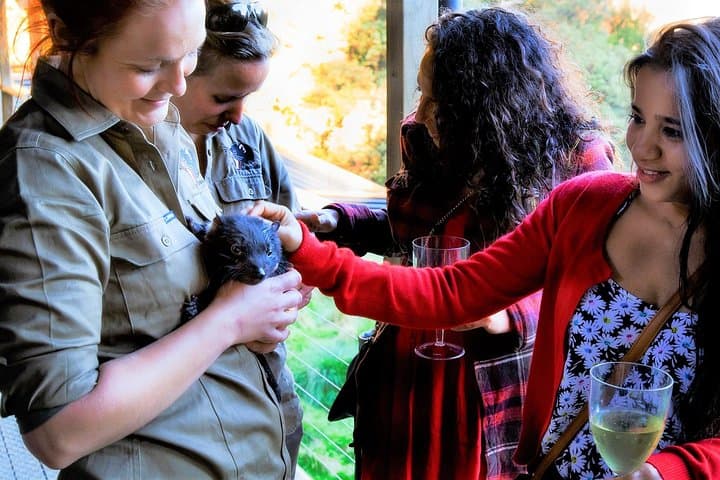
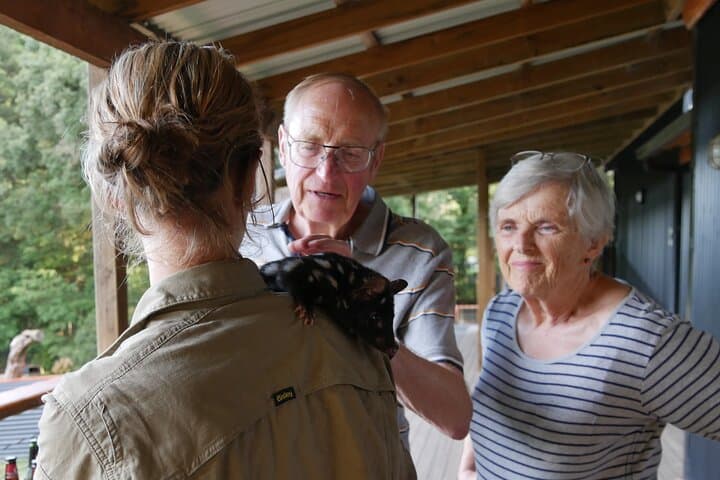
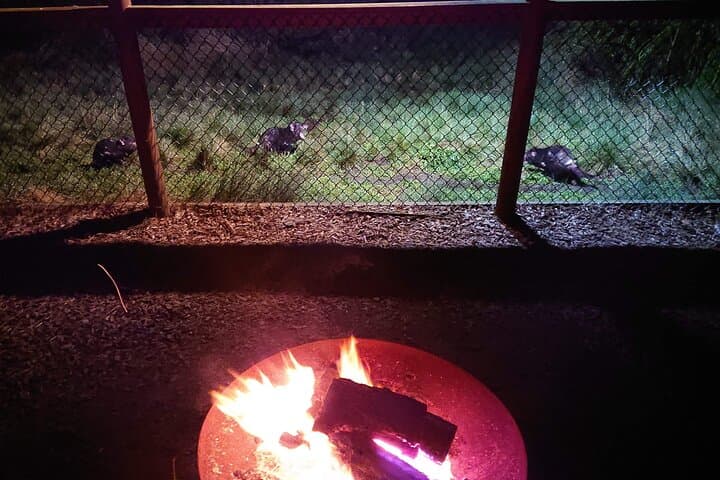
Join a small-group twilight visit to Devils@Cradle for an up-close feeding, behind-the-scenes nursery access, and campfire desserts as the rainforest cools. This 75‑minute experience pairs hands-on wildlife viewing with conservation insight in the shadow of Cradle Mountain.
Join a small-group twilight visit to Devils@Cradle for an up-close feeding, behind-the-scenes nursery access, and campfire desserts as the rainforest cools. This 75‑minute experience pairs hands-on wildlife viewing with conservation insight in the shadow of Cradle Mountain.
A low mountain light slides through ancient myrtle and sassafras as you arrive at the sanctuary—the rainforest exhales cold, damp air while small groups gather around a rough timber shelter. The soundscape is immediate: dripping canopy, distant bird calls and, at dusk, the high-pitched vocalizations of Tasmanian devils that make the evening feel close and alive.
Verified experiences and guided adventures in the surrounding area.
Operated by Devils@Cradle · Cradle Mountain, Tasmania
A low mountain light slides through ancient myrtle and sassafras as you arrive at the sanctuary—the rainforest exhales cold, damp air while small groups gather around a rough timber shelter. The soundscape is immediate: dripping canopy, distant bird calls and, at dusk, the high-pitched vocalizations of Tasmanian devils that make the evening feel close and alive.
Set inside the Cradle Mountain–Lake St Clair region, the sanctuary sits on terrain shaped by past glaciations and dense temperate rainforest. European settlers catalogued this country in the 19th century; earlier, Palawa people lived across these highlands and used the landscape seasonally. The sanctuary’s work combines wildlife rehabilitation and public education—visitors see feeding sessions, a nursery area and explanations of devil ecology and threats such as disease and habitat loss.
The program runs as a focused 75-minute twilight visit: a guided feed, behind-the-scenes glimpses of young devils and a finale of local desserts and drinks around a campfire while the forest cools. Expect short walks on unsealed paths and a few steps; staff lead small groups to minimize disturbance.
Practical notes: arrive dressed for cool, wet evenings; temperatures near Cradle Mountain drop quickly after sunset. Photographing animals is best without flash; follow ranger instructions. The experience balances close wildlife viewing with conservation messaging—listen to briefings, keep noise low, and leave no trace. For an accessible, compact night in Tasmania’s alpine rainforest, this is an intimate, well-managed introduction to one of the island’s most iconic marsupials.
easy.
1–1.5 hours.
Suitable for all fitness levels; requires short, easy walks on uneven ground and standing during feedings.
Yes—infants and small children can use prams; the experience is family-friendly but supervised and not suitable for unsupervised roaming.
The tour includes short, uneven paths and some stairs; contact the operator in advance to discuss accessibility and assistance options.
Yes—guests observe a feeding session and can view young residents in the nursery areas, though proximity is controlled by staff for safety and animal welfare.
Full refunds are available if canceled at least 24 hours before departure; same-day cancellations are not refundable and tours may be cancelled if minimum numbers are not met.
Cradle Mountain’s landscape was shaped by Pleistocene glaciation; the national park was later established to protect its unique alpine and rainforest ecosystems and has deep cultural ties to the Palawa people.
The sanctuary focuses on rehabilitation, breeding and public education to combat threats like disease and habitat loss; visitors are asked to follow guidelines to reduce stress and contamination risks.
Devils@Cradle operates guided outdoor trips and adventures with an emphasis on safety, stewardship, and memorable experiences.
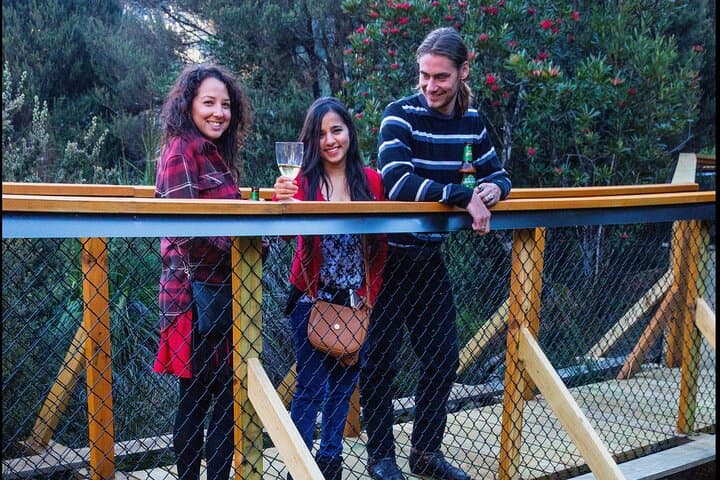
A low mountain light slides through ancient myrtle and sassafras as you arrive at the sanctuary—the rainforest exhales cold, damp air while small groups gather around a rough timber shelter. The soundscape is immediate: dripping canopy, distant bird calls and, at dusk, the high-pitched vocalizations of Tasmanian devils that make the evening feel close and alive.
A low mountain light slides through ancient myrtle and sassafras as you arrive at the sanctuary—the rainforest exhales cold, damp air while small groups gather around a rough timber shelter. The soundscape is immediate: dripping canopy, distant bird calls and, at dusk, the high-pitched vocalizations of Tasmanian devils that make the evening feel close and alive.
Set inside the Cradle Mountain–Lake St Clair region, the sanctuary sits on terrain shaped by past glaciations and dense temperate rainforest. European settlers catalogued this country in the 19th century; earlier, Palawa people lived across these highlands and used the landscape seasonally. The sanctuary’s work combines wildlife rehabilitation and public education—visitors see feeding sessions, a nursery area and explanations of devil ecology and threats such as disease and habitat loss.
The program runs as a focused 75-minute twilight visit: a guided feed, behind-the-scenes glimpses of young devils and a finale of local desserts and drinks around a campfire while the forest cools. Expect short walks on unsealed paths and a few steps; staff lead small groups to minimize disturbance.
Practical notes: arrive dressed for cool, wet evenings; temperatures near Cradle Mountain drop quickly after sunset. Photographing animals is best without flash; follow ranger instructions. The experience balances close wildlife viewing with conservation messaging—listen to briefings, keep noise low, and leave no trace. For an accessible, compact night in Tasmania’s alpine rainforest, this is an intimate, well-managed introduction to one of the island’s most iconic marsupials.