THE ADVENTURE COLLECTIVE® · Independent discovery and booking for outdoor travel

An evening that moves from the glassy calm of Sylvan Lake to the engineered spirals of Iron Mountain Road and ends at the Mt Rushmore Lighting Ceremony. Expect dramatic viewpoints, short hikes, and a patriotic outdoor program framed by Black Hills granite.
An evening that moves from the glassy calm of Sylvan Lake to the engineered spirals of Iron Mountain Road and ends at the Mt Rushmore Lighting Ceremony. Expect dramatic viewpoints, short hikes, and a patriotic outdoor program framed by Black Hills granite.
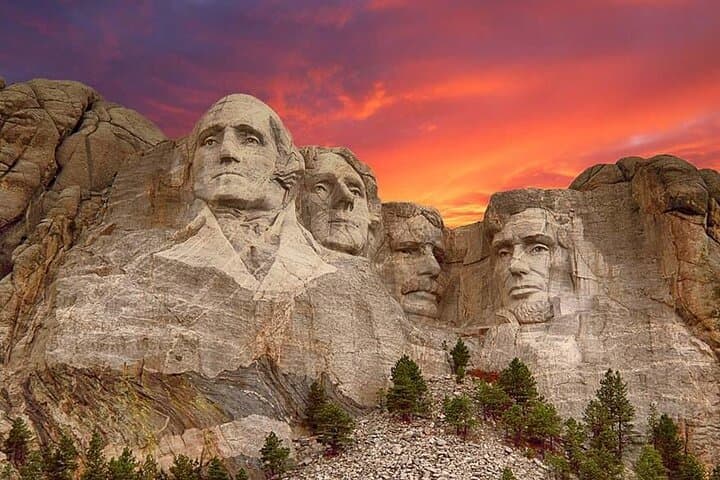
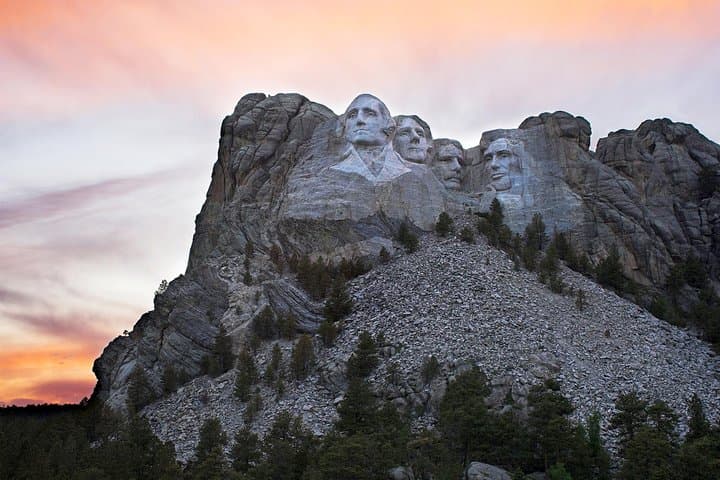
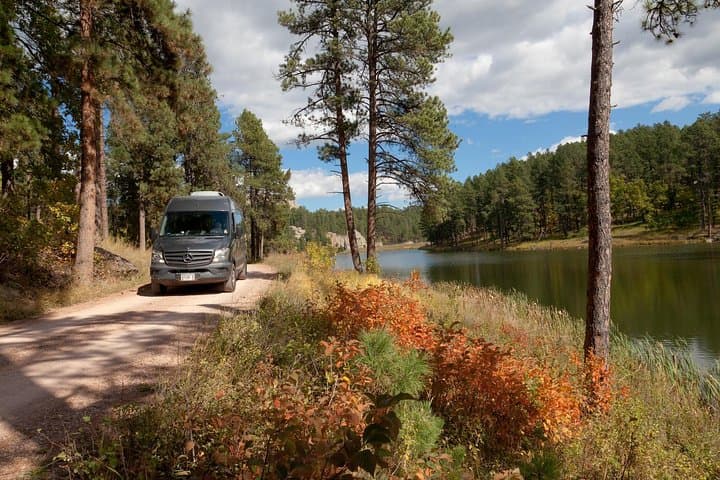
The sun slides low behind ragged granite spires as your guide turns off US-16 toward Sylvan Lake. Pine-scented air tightens; water smooths into glass at 6,145 feet and the first reflections of jagged rock ripple into a precise duplicate of the shore. Cameras click, and a small group of travelers spreads along the short loop trail, shoulders loosened by the slow West River wind. This is the first act of an evening that moves from intimate alpine water to engineered drama—the pigtail bridges of Iron Mountain Road and the slow reveal of four presidential faces carved into a canyon of stone.
Verified experiences and guided adventures in the surrounding area.
Operated by Black Hills Tour Company · Rapid City, South Dakota
The sun slides low behind ragged granite spires as your guide turns off US-16 toward Sylvan Lake. Pine-scented air tightens; water smooths into glass at 6,145 feet and the first reflections of jagged rock ripple into a precise duplicate of the shore. Cameras click, and a small group of travelers spreads along the short loop trail, shoulders loosened by the slow West River wind. This is the first act of an evening that moves from intimate alpine water to engineered drama—the pigtail bridges of Iron Mountain Road and the slow reveal of four presidential faces carved into a canyon of stone.
The route stitches together the Black Hills’ geologic story: 1.7 billion–year-old black granite heaved and eroded into columns and needles, then sculpted by freeze and thaw into the Needles’ iconic spires. Native Lakota and other Plains tribes have long read these formations as landmarks and story places; the modern chapter added Gutzon Borglum’s bold presidential carving in the 1920s–40s and the ceremonial Lighting Program that follows dusk.
You’ll drive the Needles Highway—narrow, low-tunnel passages cut through rock and designed to make the landscape feel close enough to touch—then thread the Norbeck Scenic Byway for viewpoints that frame Rushmore before Iron Mountain Road’s engineered corkscrews bring the monument into perspective. Along the way, bison graze in the open parklands and deer pick their way through aspen edges, reminders that this is a working ecosystem as much as a scenic stage.
Practical edge: the tour runs about six hours with roughly 45–60 minutes’ drive from Rapid City to Custer State Park and multiple short walks (most under 0.5 mile). Trails are compact but uneven—expect packed dirt, granite steps, and the occasional root. Iron Mountain and Needles roads are narrow and can be windy; motion sensitivity is a consideration for passengers.
Timing matters. Arrive with layers—temperature drops sharply after sunset at 5,000–6,000 feet. Roads and overlooks are busiest in summer evenings; in spring and fall you’ll find broader windows for solitude but a higher chance of daytime road closures. The Lighting Ceremony culminates with a 45-minute ranger program and the illumination of the monument—bring a headlamp for the return to your vehicle and a jacket for the amphitheater’s breeze.
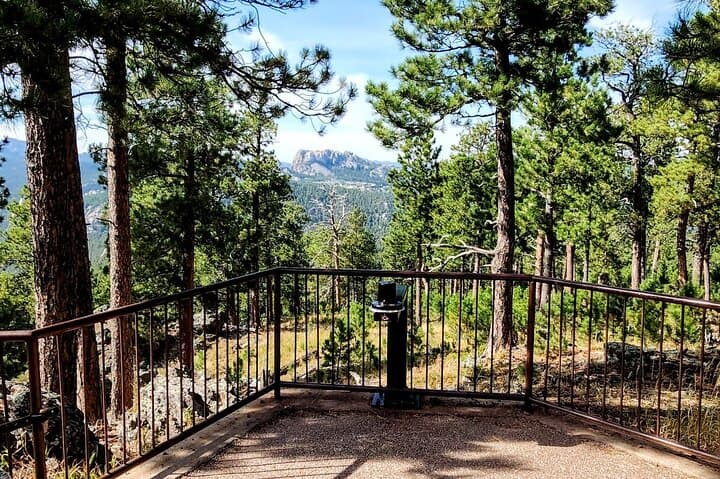
Leave a low footprint: stay on designated paths, keep distance from wildlife (bison are unpredictable), and accept that some vistas require patience rather than trespass. For photographers, the show is in the light—reflections at Sylvan, framed faces from Norbeck, and the slow, blue-hour glow that resolves into electric illumination on the carving.
This is an evening built to contrast scales: the hush of a mountain lake, the sculpted sweep of engineered roadways, and the ceremonial hush that follows the lighting—an efficient, scenic primer on the Black Hills’ geology, history, and living landscape.
easy.
6 hours.
Suitable for most fitness levels; expect short, uneven loops and standing during the amphitheater program
Yes—this tour times arrival for the park Ranger program and the Lighting Ceremony; the program lasts about 45 minutes and includes a short film and tribute.
Entrance fees are included in the tour price, so you won’t need to buy separate vehicle passes at the gate.
Yes—hotel pickup in central Rapid City is available; guests outside the pickup zone should contact the operator to arrange a pickup (may incur extra fee).
Needles Highway and Iron Mountain Road are winding with switchbacks; consider motion-sickness prevention if you are sensitive to curvy roads.
Yes—suitable for most ages; strollers are usable for short walks and infant seats are available if requested.
Bring a jacket, small flashlight, water, and limited personal items; seating in the amphitheater is open and can be cool after dark.
The Black Hills are sacred to Lakota peoples; Mt Rushmore was carved by Gutzon Borglum between 1927–1941 and sits within a landscape shaped by Precambrian granite.
Bison herds in Custer State Park are managed as part of long-term conservation; visitors are asked to stay on trails and maintain distance from wildlife to reduce stress and habitat impact.
Black Hills Tour Company operates guided outdoor trips and adventures with an emphasis on safety, stewardship, and memorable experiences.
The sun slides low behind ragged granite spires as your guide turns off US-16 toward Sylvan Lake. Pine-scented air tightens; water smooths into glass at 6,145 feet and the first reflections of jagged rock ripple into a precise duplicate of the shore. Cameras click, and a small group of travelers spreads along the short loop trail, shoulders loosened by the slow West River wind. This is the first act of an evening that moves from intimate alpine water to engineered drama—the pigtail bridges of Iron Mountain Road and the slow reveal of four presidential faces carved into a canyon of stone.
The sun slides low behind ragged granite spires as your guide turns off US-16 toward Sylvan Lake. Pine-scented air tightens; water smooths into glass at 6,145 feet and the first reflections of jagged rock ripple into a precise duplicate of the shore. Cameras click, and a small group of travelers spreads along the short loop trail, shoulders loosened by the slow West River wind. This is the first act of an evening that moves from intimate alpine water to engineered drama—the pigtail bridges of Iron Mountain Road and the slow reveal of four presidential faces carved into a canyon of stone.
The route stitches together the Black Hills’ geologic story: 1.7 billion–year-old black granite heaved and eroded into columns and needles, then sculpted by freeze and thaw into the Needles’ iconic spires. Native Lakota and other Plains tribes have long read these formations as landmarks and story places; the modern chapter added Gutzon Borglum’s bold presidential carving in the 1920s–40s and the ceremonial Lighting Program that follows dusk.
You’ll drive the Needles Highway—narrow, low-tunnel passages cut through rock and designed to make the landscape feel close enough to touch—then thread the Norbeck Scenic Byway for viewpoints that frame Rushmore before Iron Mountain Road’s engineered corkscrews bring the monument into perspective. Along the way, bison graze in the open parklands and deer pick their way through aspen edges, reminders that this is a working ecosystem as much as a scenic stage.
Practical edge: the tour runs about six hours with roughly 45–60 minutes’ drive from Rapid City to Custer State Park and multiple short walks (most under 0.5 mile). Trails are compact but uneven—expect packed dirt, granite steps, and the occasional root. Iron Mountain and Needles roads are narrow and can be windy; motion sensitivity is a consideration for passengers.
Timing matters. Arrive with layers—temperature drops sharply after sunset at 5,000–6,000 feet. Roads and overlooks are busiest in summer evenings; in spring and fall you’ll find broader windows for solitude but a higher chance of daytime road closures. The Lighting Ceremony culminates with a 45-minute ranger program and the illumination of the monument—bring a headlamp for the return to your vehicle and a jacket for the amphitheater’s breeze.
Leave a low footprint: stay on designated paths, keep distance from wildlife (bison are unpredictable), and accept that some vistas require patience rather than trespass. For photographers, the show is in the light—reflections at Sylvan, framed faces from Norbeck, and the slow, blue-hour glow that resolves into electric illumination on the carving.
This is an evening built to contrast scales: the hush of a mountain lake, the sculpted sweep of engineered roadways, and the ceremonial hush that follows the lighting—an efficient, scenic primer on the Black Hills’ geology, history, and living landscape.