THE ADVENTURE COLLECTIVE® · Independent discovery and booking for outdoor travel

Take an open-car drive into the soft light of dusk at Victoria Falls, where guides track evening movements along basalt plains and river shores. Expect close wildlife viewing, nocturnal encounters, and practical guidance for low-light photography and safety.
Take an open-car drive into the soft light of dusk at Victoria Falls, where guides track evening movements along basalt plains and river shores. Expect close wildlife viewing, nocturnal encounters, and practical guidance for low-light photography and safety.
The vehicle sighs as it slides off the lodge track and into the low light of dusk. Along basalt plains and teak-studded ridges, an open safari car threads between silhouettes of fig trees while the river murmurs in the distance; the sun drops behind mopane and the first eyeshine appears in the undergrowth.
Verified experiences and guided adventures in the surrounding area.
Operated by Opatrip.com Zimbabwe · Victoria Falls, Matabeleland North
The vehicle sighs as it slides off the lodge track and into the low light of dusk. Along basalt plains and teak-studded ridges, an open safari car threads between silhouettes of fig trees while the river murmurs in the distance; the sun drops behind mopane and the first eyeshine appears in the undergrowth.
This twilight drive follows the rhythms of a landscape shaped by ancient floodplains and a seasonal river system. The reserve’s basalt geology yields broad, flat plains that funnel animals toward the Nakavango—smaller lakes and channels that swell during the wet season—so game congregates predictably at water at dusk. Cultural ties here center on subsistence farming and guiding traditions; experienced field guides often combine natural history with local stories about wildlife and land use.
Expect a mix of open grassland, hard-packed dirt tracks and light forest cover; visibility is excellent at sunset but drops fast after dark. Guides will push into night sections to locate nocturnal species—spotlighted eyes, soft calls and the careful hush of predators on the move. Vehicles are purpose-built for viewing but bring layers: temperatures fall quickly after sundown. Binoculars, a camera with good low-light capability, and insect repellent will improve the experience. Hydration matters—bottled water is usually provided—and follow guide instructions around approaching animals and using lights.
Logistics: tours typically last about 4–4.5 hours, include private transfers and refreshments, and require no strenuous fitness. This is a prime option for wildlife-focused travelers who want dusk and early-night behavior without long walks.
easy.
4–4.5 hours.
Suitable for most fitness levels; minimal walking required, mostly seated in the vehicle
Twilight safaris typically start near sunset and run about 4–4.5 hours, finishing after dusk when nocturnal activity peaks.
Guides target likely areas for nocturnal species using spotlights; sightings depend on season and animal movements but include predators and small nocturnal mammals.
Yes—open vehicles are family-friendly but check age restrictions with the operator and keep children seated and quiet to avoid startling animals.
Most bookings include private transfers, bottled water and light snacks; alcoholic beverages may be offered depending on the tour package.
The area is part of a larger cultural landscape where local communities have guided wildlife tourism for decades, with reserves established to protect both game and livelihoods.
Responsible operators limit vehicle numbers and follow strict viewing distances; avoid shining lights at animals and pack out waste to reduce disturbance.
Opatrip.com Zimbabwe operates guided outdoor trips and adventures with an emphasis on safety, stewardship, and memorable experiences.
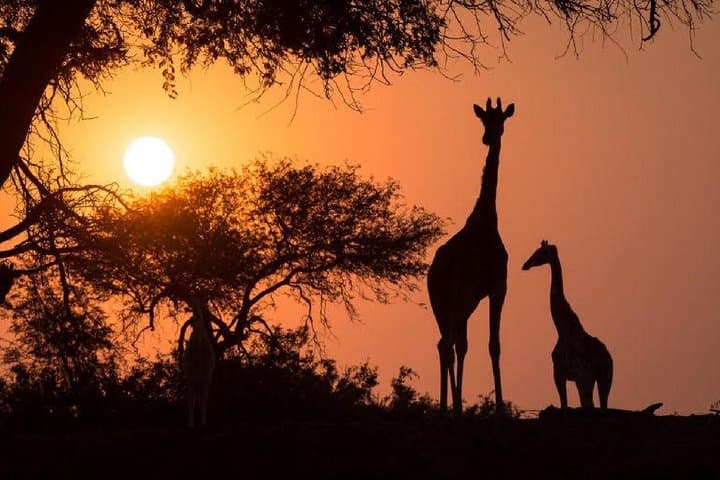
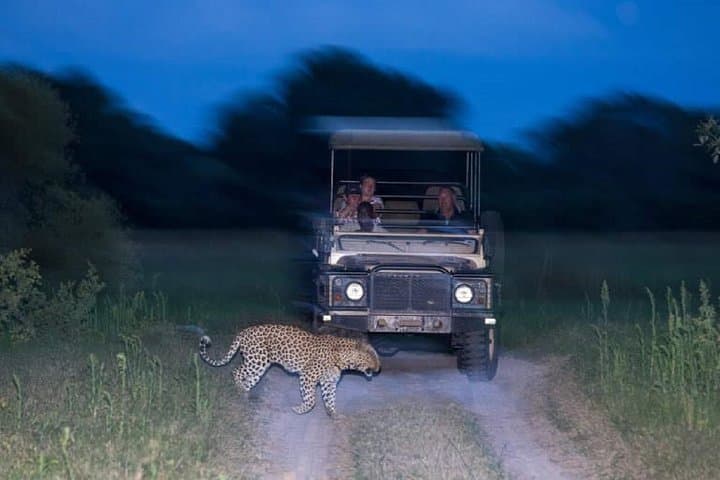
The vehicle sighs as it slides off the lodge track and into the low light of dusk. Along basalt plains and teak-studded ridges, an open safari car threads between silhouettes of fig trees while the river murmurs in the distance; the sun drops behind mopane and the first eyeshine appears in the undergrowth.
The vehicle sighs as it slides off the lodge track and into the low light of dusk. Along basalt plains and teak-studded ridges, an open safari car threads between silhouettes of fig trees while the river murmurs in the distance; the sun drops behind mopane and the first eyeshine appears in the undergrowth.
This twilight drive follows the rhythms of a landscape shaped by ancient floodplains and a seasonal river system. The reserve’s basalt geology yields broad, flat plains that funnel animals toward the Nakavango—smaller lakes and channels that swell during the wet season—so game congregates predictably at water at dusk. Cultural ties here center on subsistence farming and guiding traditions; experienced field guides often combine natural history with local stories about wildlife and land use.
Expect a mix of open grassland, hard-packed dirt tracks and light forest cover; visibility is excellent at sunset but drops fast after dark. Guides will push into night sections to locate nocturnal species—spotlighted eyes, soft calls and the careful hush of predators on the move. Vehicles are purpose-built for viewing but bring layers: temperatures fall quickly after sundown. Binoculars, a camera with good low-light capability, and insect repellent will improve the experience. Hydration matters—bottled water is usually provided—and follow guide instructions around approaching animals and using lights.
Logistics: tours typically last about 4–4.5 hours, include private transfers and refreshments, and require no strenuous fitness. This is a prime option for wildlife-focused travelers who want dusk and early-night behavior without long walks.