THE ADVENTURE COLLECTIVE® · Independent discovery and booking for outdoor travel

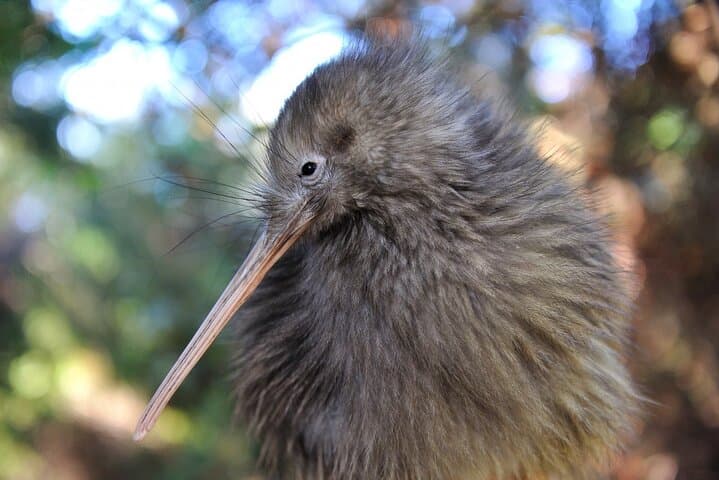
Dine by the Matakana River, then slip into the predator‑free hush of Tāwharanui Regional Park for a private night walk. With red‑lensed torches and an expert guide, this tour offers one of the rare chances to see kiwi moving freely in the wild.
Dine by the Matakana River, then slip into the predator‑free hush of Tāwharanui Regional Park for a private night walk. With red‑lensed torches and an expert guide, this tour offers one of the rare chances to see kiwi moving freely in the wild.
Dusk slips across the Matakana River as your table at Matakana Market Kitchen fills with low light and the smell of wood‑roasted mains. After a three‑course dinner you board a private, air‑conditioned vehicle and head toward the predator‑free slopes of Tāwharanui Regional Park. The road narrows, the last colors drain from the estuary, and the night walk begins with red‑lensed torches that reduce disturbance and keep eyes adjusted to the dark.
Verified experiences and guided adventures in the surrounding area.
Operated by Auckland & Beyond Tours · Matakana, Auckland
Dusk slips across the Matakana River as your table at Matakana Market Kitchen fills with low light and the smell of wood‑roasted mains. After a three‑course dinner you board a private, air‑conditioned vehicle and head toward the predator‑free slopes of Tāwharanui Regional Park. The road narrows, the last colors drain from the estuary, and the night walk begins with red‑lensed torches that reduce disturbance and keep eyes adjusted to the dark.
Tāwharanui sits on an exposed east coast headland north of Auckland; its rolling pasture gives way to pōhutukawa‑lined cliffs and pockets of regenerating native bush. The area is significant to local iwi and has been a focus of ecological restoration—fenced and intensively managed to protect ground‑nesting birds. Geologically, the park’s sandstone ridges and sheltered bays tell of uplifted coastal terraces and long wave action shaping the shoreline.
The guided walk is deliberately quiet: Kiwi are nocturnal and sensitive to light and noise. Expect slow, steady walking on irregular tracks and short boardwalks; the highlight is an opportunity to see North Island brown kiwi moving free, illuminated only by your guide’s red torch.
Practical notes: dress in warm layers and waterproofs, wear sturdy flat footwear for uneven ground, and bring motion‑sickness meds if you’re prone—the coastal roads are winding. Photography with flash is a firm no; follow your guide’s instructions for the best chance to observe kiwi without stressing them. The full experience runs about 6–7 hours including dinner and transport; bookings require at least two people and the operator maintains a low‑impact approach to protect wildlife.
easy.
6–7 hours.
Suitable for most fitness levels but requires walking up to 2 hours on uneven, sometimes muddy terrain at night
No tour can guarantee wildlife sightings, but Tāwharanui’s predator‑free management and experienced guides significantly increase the odds of encountering kiwi.
Families are welcome and the tour notes wheelchair‑accessible transport; however, the night walk involves uneven trails—check with the operator about specific accessibility needs.
Flash photography is not permitted; ask your guide about low‑light camera settings—most operators advise observing without lights to avoid stressing the birds.
Yes—the experience includes a 3‑course dinner at Matakana Market Kitchen and private, air‑conditioned transport as described in the itinerary.
Tāwharanui has strong Māori connections and is a site of long‑standing customary significance; recent decades have focused on conservation and predator control to restore native species.
The park is managed as a predator‑reduced sanctuary—visitors are asked to follow low‑impact practices (no dogs, quiet behavior, red lights) to protect ground‑nesting birds.
Auckland & Beyond Tours operates guided outdoor trips and adventures with an emphasis on safety, stewardship, and memorable experiences.


Dusk slips across the Matakana River as your table at Matakana Market Kitchen fills with low light and the smell of wood‑roasted mains. After a three‑course dinner you board a private, air‑conditioned vehicle and head toward the predator‑free slopes of Tāwharanui Regional Park. The road narrows, the last colors drain from the estuary, and the night walk begins with red‑lensed torches that reduce disturbance and keep eyes adjusted to the dark.
Dusk slips across the Matakana River as your table at Matakana Market Kitchen fills with low light and the smell of wood‑roasted mains. After a three‑course dinner you board a private, air‑conditioned vehicle and head toward the predator‑free slopes of Tāwharanui Regional Park. The road narrows, the last colors drain from the estuary, and the night walk begins with red‑lensed torches that reduce disturbance and keep eyes adjusted to the dark.
Tāwharanui sits on an exposed east coast headland north of Auckland; its rolling pasture gives way to pōhutukawa‑lined cliffs and pockets of regenerating native bush. The area is significant to local iwi and has been a focus of ecological restoration—fenced and intensively managed to protect ground‑nesting birds. Geologically, the park’s sandstone ridges and sheltered bays tell of uplifted coastal terraces and long wave action shaping the shoreline.
The guided walk is deliberately quiet: Kiwi are nocturnal and sensitive to light and noise. Expect slow, steady walking on irregular tracks and short boardwalks; the highlight is an opportunity to see North Island brown kiwi moving free, illuminated only by your guide’s red torch.
Practical notes: dress in warm layers and waterproofs, wear sturdy flat footwear for uneven ground, and bring motion‑sickness meds if you’re prone—the coastal roads are winding. Photography with flash is a firm no; follow your guide’s instructions for the best chance to observe kiwi without stressing them. The full experience runs about 6–7 hours including dinner and transport; bookings require at least two people and the operator maintains a low‑impact approach to protect wildlife.