THE ADVENTURE COLLECTIVE® · Independent discovery and booking for outdoor travel

Soak in mineral hot springs beneath Cerro Tuzgle and pause at the towering La Polvorilla viaduct on a full-day exploration of the Salta Puna. This private drive-and-soak experience blends pre-Hispanic culture, highland geology and sweeping Andean panoramas.
Soak in mineral hot springs beneath Cerro Tuzgle and pause at the towering La Polvorilla viaduct on a full-day exploration of the Salta Puna. This private drive-and-soak experience blends pre-Hispanic culture, highland geology and sweeping Andean panoramas.
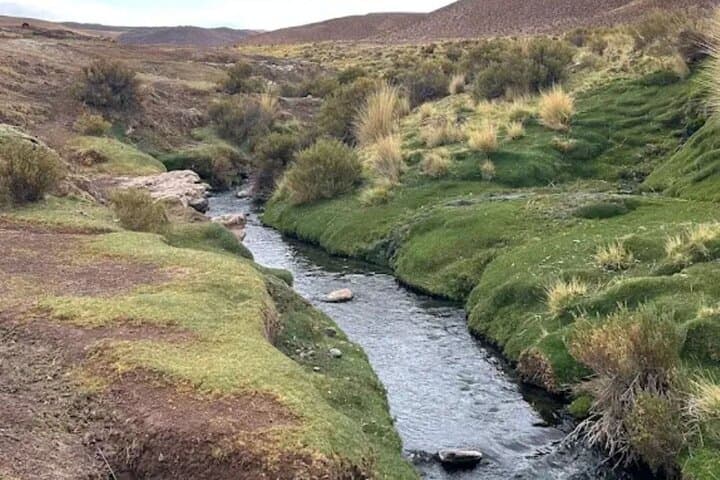
You arrive at high noon and the puna stretches like an open page: wind sweeping across salt-browned grasses, the dormant Cerro Tuzgle brooding above, and steam rising from a pocket of warm water that seems to have been left by the earth for you alone.
Verified experiences and guided adventures in the surrounding area.
Operated by Chilto Viajero · San Antonio de los Cobres, Salta Province
You arrive at high noon and the puna stretches like an open page: wind sweeping across salt-browned grasses, the dormant Cerro Tuzgle brooding above, and steam rising from a pocket of warm water that seems to have been left by the earth for you alone.
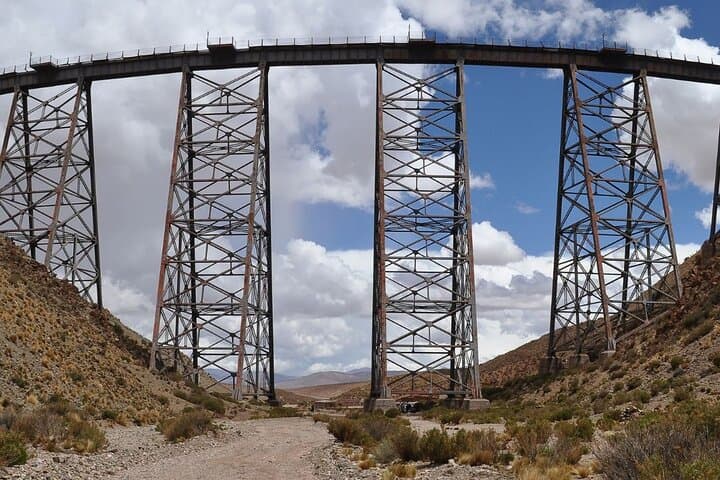
The route threads through small Andean settlements — notably Santa Rosa de Tastil, a living village shaped by pre-Hispanic history and the nearby Tastil ruins — and opens at the steel curve of Viaduct La Polvorilla, the most dramatic span on the famed Train to the Clouds. The viaduct’s girders frame a sky so vast it pushes perspective flat; the bridge itself is an early-20th-century engineering statement born of mining and rail ambitions.
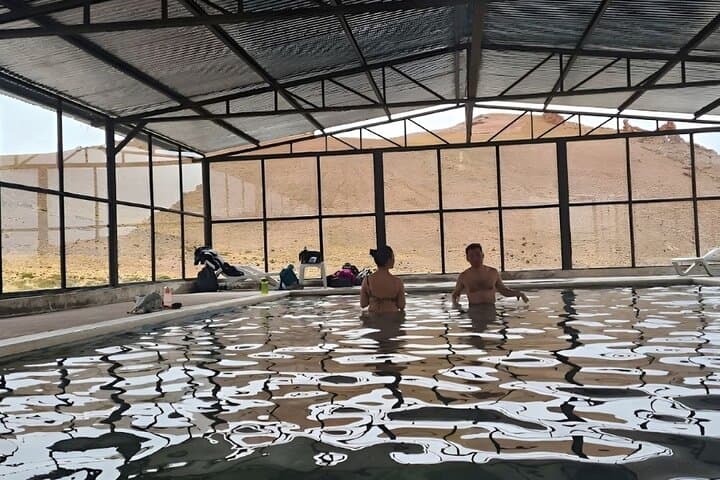
Geology here is blunt and obvious: volcanic cones, hardened lava flows, and wind-polished alluvium. The Tuzgle hot springs bubble at the volcano’s foot, fed by deep geothermal plumbing that brings mineral-rich warmth to 3,500–4,000 meters in altitude. Locals still practice small-scale herding and craftwork, and the cultural pulse of the puna is slow, deliberate and rooted in centuries of Andean life.
Practical notes: the full-day loop runs long (expect 12+ hours) and crosses high-altitude terrain — pace yourself, hydrate, and plan for cold wind even after soaking. Bring layered clothing, sun protection and sturdy footwear for short walks around viewpoints. The springs are for soaking and quiet reflection; respect local rules, pack out rubbish, and allow time at La Polvorilla for photography and altitude adjustment before returning to base.
moderate.
12–13 hours.
Moderate fitness for long vehicle days with short walks at altitude; be comfortable standing and walking on uneven ground.
The area sits around 3,500–4,000 m (11,500–13,100 ft). Mild altitude symptoms are common; acclimatize in Salta or San Antonio de los Cobres, hydrate, and avoid alcohol before the trip.
The experience includes 1.5 hours at the Tuzgle Baths for soaking; facilities are natural pools without lifeguards — use caution and follow guide instructions.
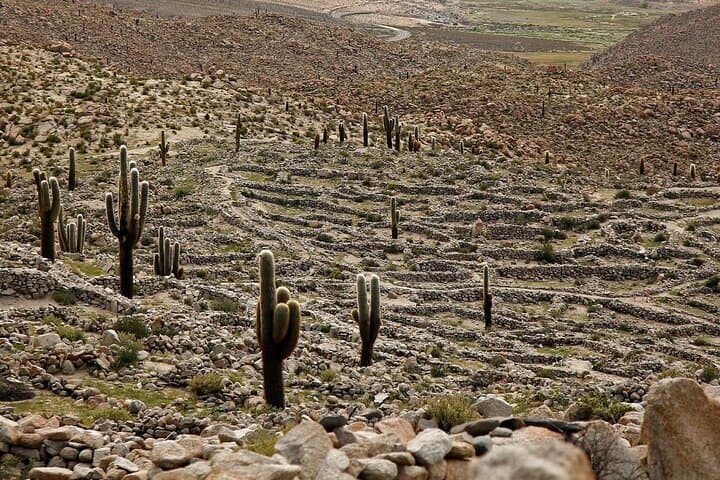
The village of Santa Rosa de Tastil is visited, but the pre-Inca Tastil ruins are not included on this itinerary — they can be arranged separately with more time.
Dry season (May–October) offers clearer skies and colder nights; summer brings stronger sun and occasional thunderstorms — plan clothing accordingly.
The route crosses lands shaped by pre-Inca settlements like Tastil and the 20th-century railway projects that produced the Train to the Clouds viaduct.
The puna is ecologically fragile — stick to trails, avoid contaminating thermal pools, and limit single-use plastics to protect scarce water and native species.
Chilto Viajero operates guided outdoor trips and adventures with an emphasis on safety, stewardship, and memorable experiences.
You arrive at high noon and the puna stretches like an open page: wind sweeping across salt-browned grasses, the dormant Cerro Tuzgle brooding above, and steam rising from a pocket of warm water that seems to have been left by the earth for you alone.
You arrive at high noon and the puna stretches like an open page: wind sweeping across salt-browned grasses, the dormant Cerro Tuzgle brooding above, and steam rising from a pocket of warm water that seems to have been left by the earth for you alone.
The route threads through small Andean settlements — notably Santa Rosa de Tastil, a living village shaped by pre-Hispanic history and the nearby Tastil ruins — and opens at the steel curve of Viaduct La Polvorilla, the most dramatic span on the famed Train to the Clouds. The viaduct’s girders frame a sky so vast it pushes perspective flat; the bridge itself is an early-20th-century engineering statement born of mining and rail ambitions.
Geology here is blunt and obvious: volcanic cones, hardened lava flows, and wind-polished alluvium. The Tuzgle hot springs bubble at the volcano’s foot, fed by deep geothermal plumbing that brings mineral-rich warmth to 3,500–4,000 meters in altitude. Locals still practice small-scale herding and craftwork, and the cultural pulse of the puna is slow, deliberate and rooted in centuries of Andean life.
Practical notes: the full-day loop runs long (expect 12+ hours) and crosses high-altitude terrain — pace yourself, hydrate, and plan for cold wind even after soaking. Bring layered clothing, sun protection and sturdy footwear for short walks around viewpoints. The springs are for soaking and quiet reflection; respect local rules, pack out rubbish, and allow time at La Polvorilla for photography and altitude adjustment before returning to base.