THE ADVENTURE COLLECTIVE® · Independent discovery and booking for outdoor travel

Cross the spine of the Greater Caucasus on an eight-day trek from Omalo (Tusheti) to Kazbegi. Expect high passes, stone watchtowers, two nights under canvas and a blend of guesthouse comfort and remote alpine travel.
Cross the spine of the Greater Caucasus on an eight-day trek from Omalo (Tusheti) to Kazbegi. Expect high passes, stone watchtowers, two nights under canvas and a blend of guesthouse comfort and remote alpine travel.
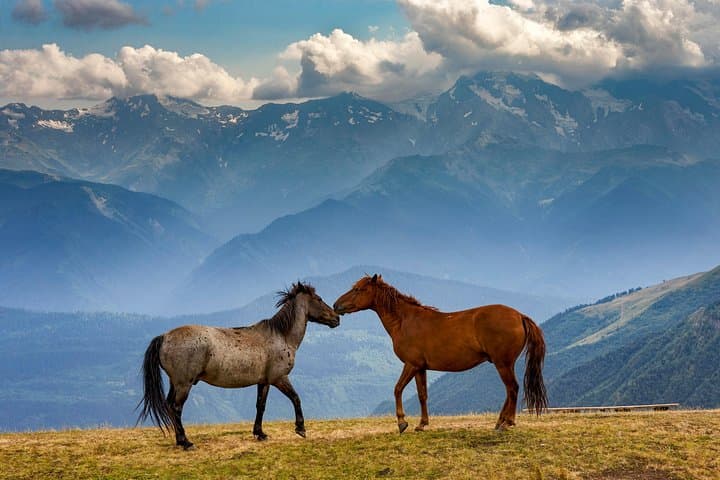
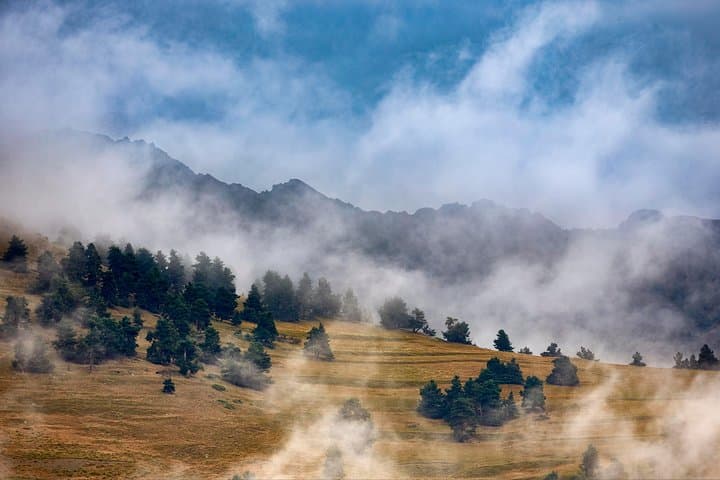
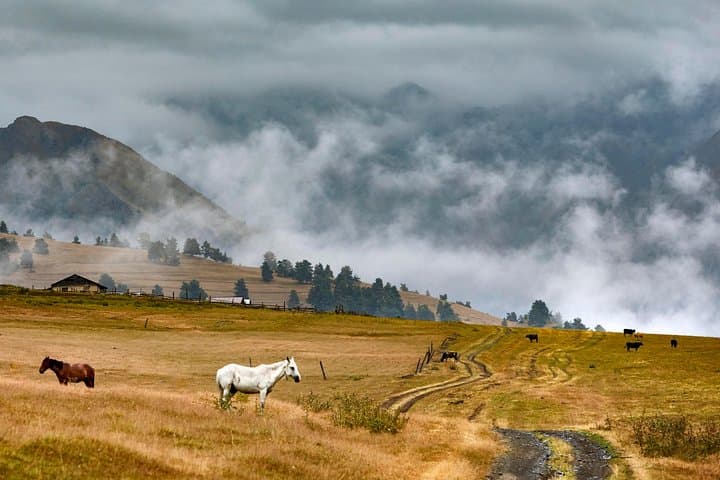
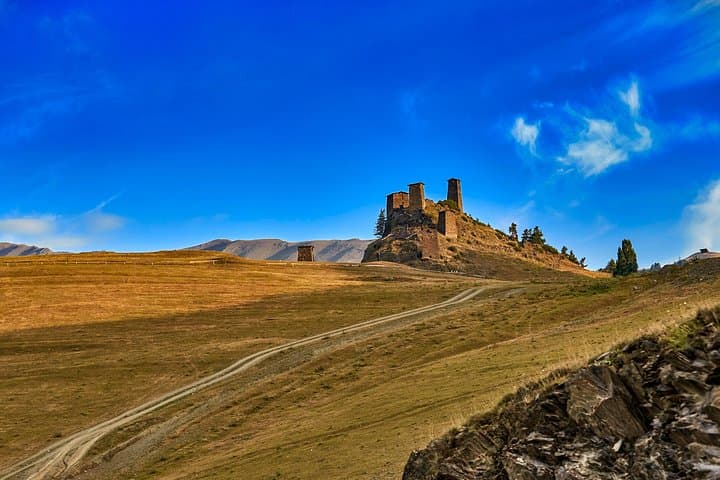
Mornings on this route begin with a slow, gravel rattle as the vehicle climbs out of Telavi and the road narrows into highland switchbacks. By the time you reach Omalo, wind and stone towers frame thin alpine meadows; the air smells of sheep and smoke and the first kilometers of trail feel like stepping into another era.
Verified experiences and guided adventures in the surrounding area.
Operated by Travelist Georgia · Omalo, Tusheti (Kakheti) / Mtskheta-Mtianeti
Mornings on this route begin with a slow, gravel rattle as the vehicle climbs out of Telavi and the road narrows into highland switchbacks. By the time you reach Omalo, wind and stone towers frame thin alpine meadows; the air smells of sheep and smoke and the first kilometers of trail feel like stepping into another era.
The line from Tusheti to Kazbegi threads through distinct histories: medieval watch towers in Dartlo and Mutso, Soviet-era pasture systems and ancient transhumance routes used by shepherds for centuries. Geology here is stark — folded volcanic and metamorphic rock, sharp ridgelines and glacier-scoured valleys near Chaukhi and the Altihut ridge — creating scenery unlike central Europe’s rounded ranges.
Expect mixed terrain: pasture tracks, rocky ascents to Atsunta and Chaukhi passes, and steep descents through stone villages. Culture is tactile — stone towers, guesthouse hospitality, and slow home-cooked feasts. Guides handle camp logistics, tents and horse transport for luggage, so most days are focused on mileage and views.
Practical side: six full days of trekking (two nights in tents) require steady uphill stamina and comfort with basic alpine conditions. Weather can switch fast; mornings are cool, afternoons can be warm, nights cold at altitude. Carry layered clothing, a reliable sleeping bag, and waterproofs. Hydration and timing matter — start early on pass days, allow extra time for poor trail surfaces, and prepare for long transfer days at start and finish. The route rewards persistence with high ridgeline views, remote villages and a real sense of crossing the spine of the Greater Caucasus.
challenging.
8 days (6 days trekking).
Good aerobic fitness and experience with full-day hikes at altitude; comfortable carrying daypack on uneven terrain.
You should have regular hiking experience and be able to complete 6–8 hour days with elevation gain; moderate to strong cardiovascular fitness is recommended.
Most nights are in local guesthouses; two nights are in tents. Transfers and one luggage move by horses are included per itinerary details.
Passes reach high alpine elevations where shortness of breath and cooler temperatures occur; allow time to acclimatize and communicate any health concerns to your guide.
Bring Georgian lari (GEL) for small purchases in villages; guides usually speak English and Georgian — some staff may speak Russian.
Tusheti’s defensive stone towers and Mutso’s fortress reflect centuries of highland clan history and strategic importance along Caucasus passes.
This route crosses fragile alpine meadows and grazing grounds; stick to trails, pack out waste, and respect local grazing patterns to minimize impact.
Travelist Georgia operates guided outdoor trips and adventures with an emphasis on safety, stewardship, and memorable experiences.
Mornings on this route begin with a slow, gravel rattle as the vehicle climbs out of Telavi and the road narrows into highland switchbacks. By the time you reach Omalo, wind and stone towers frame thin alpine meadows; the air smells of sheep and smoke and the first kilometers of trail feel like stepping into another era.
Mornings on this route begin with a slow, gravel rattle as the vehicle climbs out of Telavi and the road narrows into highland switchbacks. By the time you reach Omalo, wind and stone towers frame thin alpine meadows; the air smells of sheep and smoke and the first kilometers of trail feel like stepping into another era.
The line from Tusheti to Kazbegi threads through distinct histories: medieval watch towers in Dartlo and Mutso, Soviet-era pasture systems and ancient transhumance routes used by shepherds for centuries. Geology here is stark — folded volcanic and metamorphic rock, sharp ridgelines and glacier-scoured valleys near Chaukhi and the Altihut ridge — creating scenery unlike central Europe’s rounded ranges.
Expect mixed terrain: pasture tracks, rocky ascents to Atsunta and Chaukhi passes, and steep descents through stone villages. Culture is tactile — stone towers, guesthouse hospitality, and slow home-cooked feasts. Guides handle camp logistics, tents and horse transport for luggage, so most days are focused on mileage and views.
Practical side: six full days of trekking (two nights in tents) require steady uphill stamina and comfort with basic alpine conditions. Weather can switch fast; mornings are cool, afternoons can be warm, nights cold at altitude. Carry layered clothing, a reliable sleeping bag, and waterproofs. Hydration and timing matter — start early on pass days, allow extra time for poor trail surfaces, and prepare for long transfer days at start and finish. The route rewards persistence with high ridgeline views, remote villages and a real sense of crossing the spine of the Greater Caucasus.