THE ADVENTURE COLLECTIVE® · Independent discovery and booking for outdoor travel

Learn to make pici, ragù, and the iconic bistecca alla fiorentina over wood fire in a hands-on class near Florence. This 4–5 hour Fire & Wine experience blends technique, regional history, and guided tastings.
Learn to make pici, ragù, and the iconic bistecca alla fiorentina over wood fire in a hands-on class near Florence. This 4–5 hour Fire & Wine experience blends technique, regional history, and guided tastings.
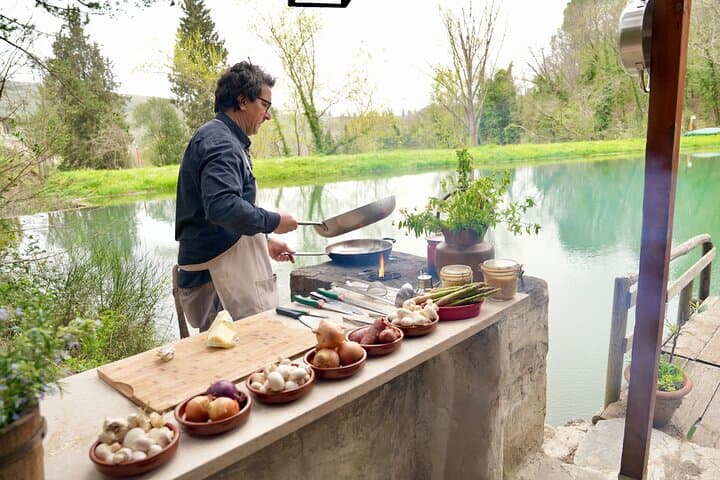
You arrive through a low-arched gate into a sunbaked courtyard where smoke threads upward from a wood-fired oven and the scent of olive oil and rosemary sets a steady pace. The class opens with an aperitif on mismatched chairs, glasses clinking as the first coals are stoked; the kitchen—sometimes outdoors, sometimes inside if rain arrives—becomes the workshop where simple ingredients are sharpened into memorable dishes.
Verified experiences and guided adventures in the surrounding area.
Operated by home cooking tours · Florence, Tuscany
You arrive through a low-arched gate into a sunbaked courtyard where smoke threads upward from a wood-fired oven and the scent of olive oil and rosemary sets a steady pace. The class opens with an aperitif on mismatched chairs, glasses clinking as the first coals are stoked; the kitchen—sometimes outdoors, sometimes inside if rain arrives—becomes the workshop where simple ingredients are sharpened into memorable dishes.
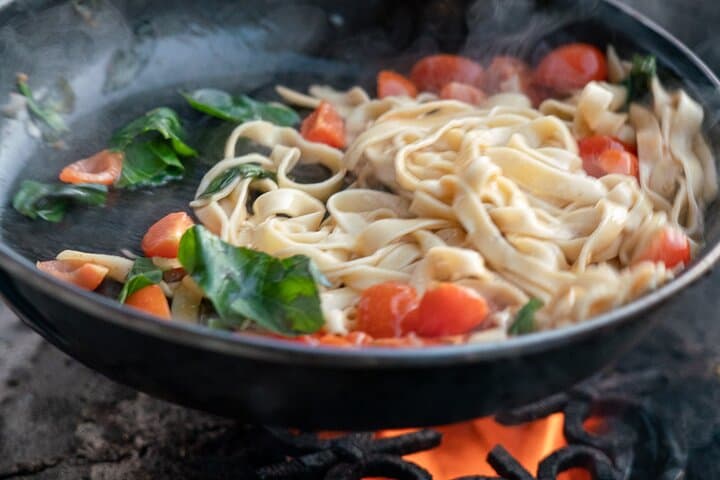
Tuscany’s food is plainspoken: grain fields and grazing cattle shaped techniques as much as taste. Here you’ll learn strands of pici and the rhythm of hand-rolled dough that dates back centuries, then move to the long, slow heat needed for a true bistecca alla fiorentina — a regional emblem with roots in Florentine tables of the Renaissance.
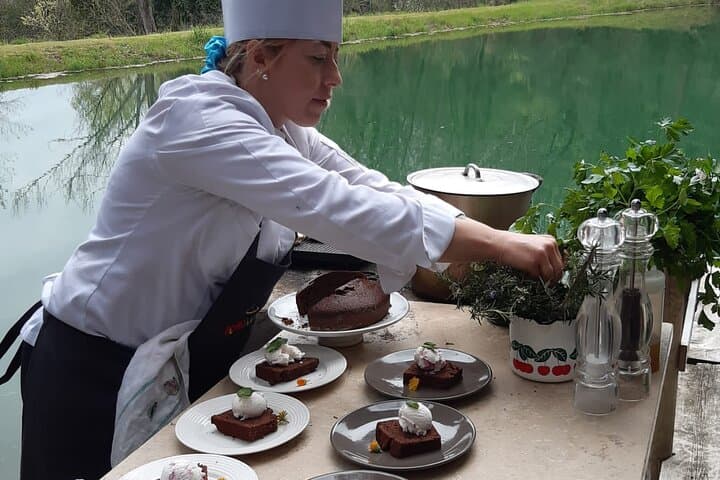
The landscape itself informs the meal: gently rolling clay soils yield olive oil and tomatoes; local wineries sit on terraces carved from pliant hills. Cultural notes come between courses—why the T-bone is treated with reverence, how seasonal produce dictates menus, and why bread was once purposely plain to complement robust sauces.
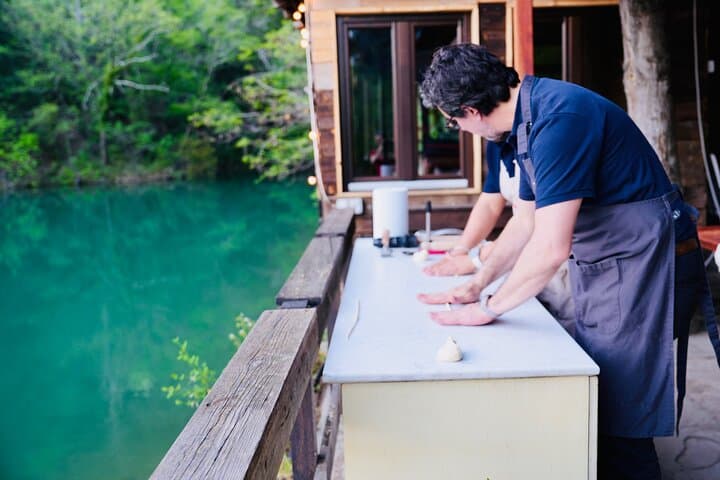
Practical guidance: the full experience runs about 4–5 hours including transport; wear closed-toe shoes and a light jacket for evening breezes. Expect hands-on work—kneading, filling ravioli, tending the grill—and a tasting pace that pairs each dish with regional wines. Tell hosts about dietary restrictions in advance; classes are capped small for attention to technique. Bring a camera, appetite, and patience: cooking with fire asks you to listen to the food as much as to instructions.
easy.
4–5 hours.
Suitable for most fitness levels; involves standing, light kneading and lifting up to 5–10 lbs.
No — the class is designed for beginners and confident home cooks; instructors guide each step.
Yes — menus emphasize local produce, olive oil, and meats sourced from nearby farms when available.
The provider moves the program to an indoor kitchen to continue the hands-on experience without disruption.
Yes — notify the operator at booking so they can modify dishes for vegetarian, vegan, or allergy needs.
Florentine cuisine emphasizes simple ingredients and age-old techniques; bistecca alla fiorentina evolved from communal grilling traditions tied to local cattle breeds.
Many hosts source ingredients from small farms and practice low-waste cooking; support local producers by asking about provenance and seasonality.
home cooking tours operates guided outdoor trips and adventures with an emphasis on safety, stewardship, and memorable experiences.
You arrive through a low-arched gate into a sunbaked courtyard where smoke threads upward from a wood-fired oven and the scent of olive oil and rosemary sets a steady pace. The class opens with an aperitif on mismatched chairs, glasses clinking as the first coals are stoked; the kitchen—sometimes outdoors, sometimes inside if rain arrives—becomes the workshop where simple ingredients are sharpened into memorable dishes.
You arrive through a low-arched gate into a sunbaked courtyard where smoke threads upward from a wood-fired oven and the scent of olive oil and rosemary sets a steady pace. The class opens with an aperitif on mismatched chairs, glasses clinking as the first coals are stoked; the kitchen—sometimes outdoors, sometimes inside if rain arrives—becomes the workshop where simple ingredients are sharpened into memorable dishes.
Tuscany’s food is plainspoken: grain fields and grazing cattle shaped techniques as much as taste. Here you’ll learn strands of pici and the rhythm of hand-rolled dough that dates back centuries, then move to the long, slow heat needed for a true bistecca alla fiorentina — a regional emblem with roots in Florentine tables of the Renaissance.
The landscape itself informs the meal: gently rolling clay soils yield olive oil and tomatoes; local wineries sit on terraces carved from pliant hills. Cultural notes come between courses—why the T-bone is treated with reverence, how seasonal produce dictates menus, and why bread was once purposely plain to complement robust sauces.
Practical guidance: the full experience runs about 4–5 hours including transport; wear closed-toe shoes and a light jacket for evening breezes. Expect hands-on work—kneading, filling ravioli, tending the grill—and a tasting pace that pairs each dish with regional wines. Tell hosts about dietary restrictions in advance; classes are capped small for attention to technique. Bring a camera, appetite, and patience: cooking with fire asks you to listen to the food as much as to instructions.