THE ADVENTURE COLLECTIVE® · Independent discovery and booking for outdoor travel

Join local guides at La Escobilla to release olive ridley hatchlings into the Pacific. This guided conservation experience mixes on-beach education with hands-on release and directly supports local protection efforts.
Join local guides at La Escobilla to release olive ridley hatchlings into the Pacific. This guided conservation experience mixes on-beach education with hands-on release and directly supports local protection efforts.
A low-slung horizon of beach and surf frames the moment: salt air carrying the taste of the ocean, guides unrolling the story of eggs and tides, and a clutch of olive ridley hatchlings inching toward the surf.
Verified experiences and guided adventures in the surrounding area.
Operated by Huitzil Tours And Travel · La Escobilla, Oaxaca
A low-slung horizon of beach and surf frames the moment: salt air carrying the taste of the ocean, guides unrolling the story of eggs and tides, and a clutch of olive ridley hatchlings inching toward the surf.
La Escobilla is one of the planet’s busiest sea-turtle beaches—an important seasonal nesting ground for olive ridleys. Geologically, the coast is a mix of dark volcanic sand and pocketed dunes shaped by Pacific swells; culturally, the site is managed by small coastal communities whose livelihoods link directly to protection and tourism.
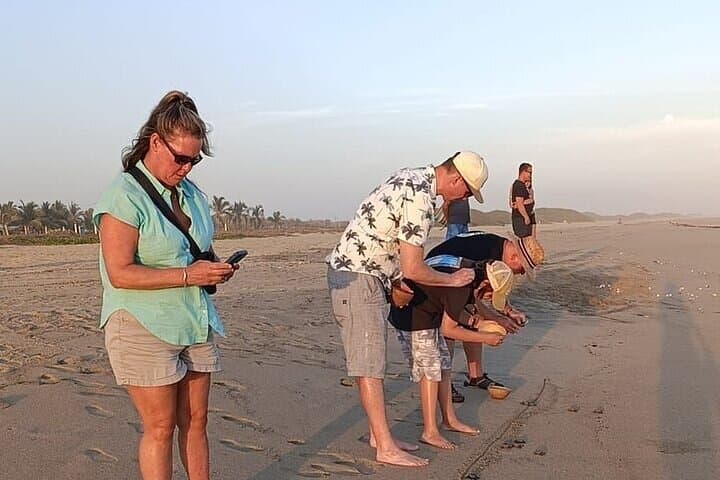
Guides explain the incubation cycle, nocturnal arribadas, and how local conservation camps move newly hatched turtles from nests to the water to improve survival rates. The experience is intimate rather than performative: guests handle hatchlings briefly, under supervision, then watch them orient themselves and sprint toward the breaking waves.
Practical guidance: plan for a 4–5 hour excursion from Huatulco with some time on unshaded beach and soft sand underfoot. Expect basic facilities at the ecotourism center and an English-speaking guide on organized trips. Bring a headlamp with a red filter or use provided lighting, keep flash photography to a minimum, and follow handlers’ directions—disturbing hatchlings reduces their chance of survival.
This activity combines straightforward logistics with a visceral connection to a species’ life cycle—rewarding, educational, and directly supportive of local conservation efforts.
easy.
4–5 hours.
Suitable for most fitness levels; involves short walks on soft sand and standing for presentations.
Peak nesting and hatching for olive ridleys is typically July–December with strong activity Aug–Oct; operators schedule releases to coincide with hatching windows.
Yes—but only under direct guidance from certified handlers who will show safe, brief handling methods to minimize stress and contamination.
Generally yes; many operators allow children but require supervision and may set minimum ages—check booking questions for age bands.
Fees and donations support community-run camps that relocate nests, protect eggs from predators, and provide local income tied to conservation.
Local communities have managed turtle camps for decades, shifting from subsistence egg-collecting to protection programs tied to ecotourism income.
Visits are regulated to limit disturbance; staying on designated paths and following guides’ rules helps protect nests and hatchling survival.
Huitzil Tours And Travel operates guided outdoor trips and adventures with an emphasis on safety, stewardship, and memorable experiences.
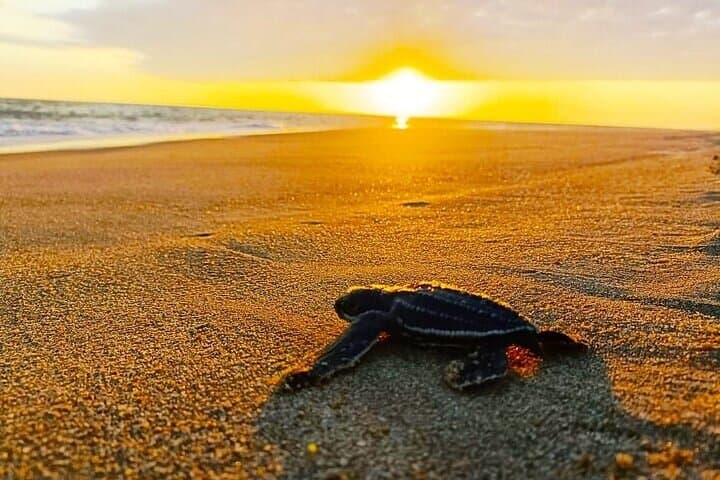
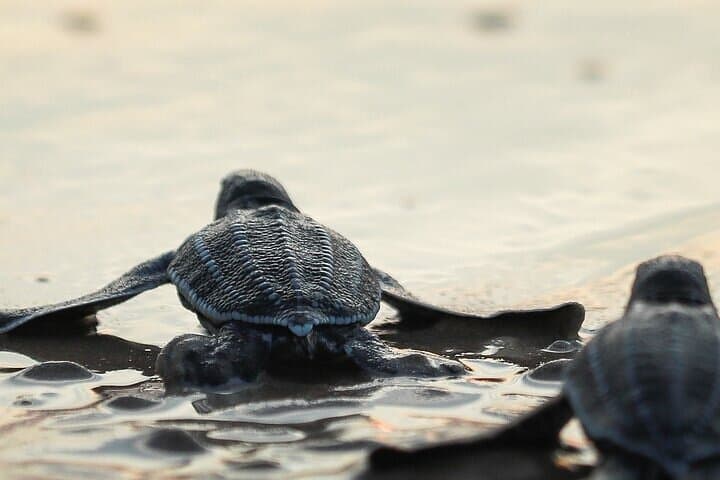
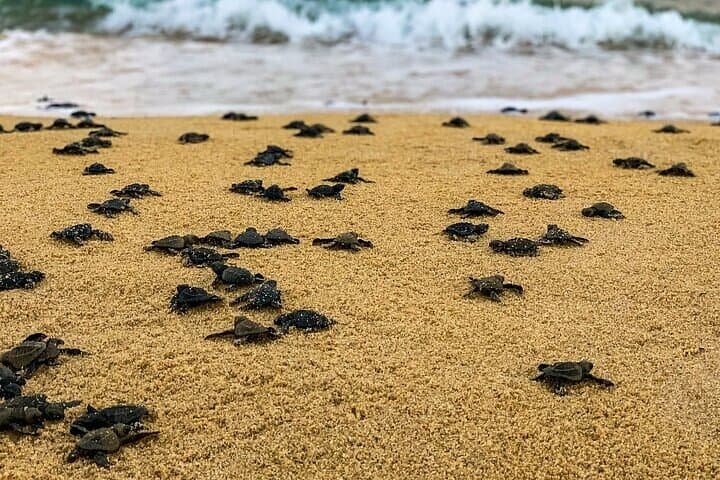
A low-slung horizon of beach and surf frames the moment: salt air carrying the taste of the ocean, guides unrolling the story of eggs and tides, and a clutch of olive ridley hatchlings inching toward the surf.
A low-slung horizon of beach and surf frames the moment: salt air carrying the taste of the ocean, guides unrolling the story of eggs and tides, and a clutch of olive ridley hatchlings inching toward the surf.
La Escobilla is one of the planet’s busiest sea-turtle beaches—an important seasonal nesting ground for olive ridleys. Geologically, the coast is a mix of dark volcanic sand and pocketed dunes shaped by Pacific swells; culturally, the site is managed by small coastal communities whose livelihoods link directly to protection and tourism.
Guides explain the incubation cycle, nocturnal arribadas, and how local conservation camps move newly hatched turtles from nests to the water to improve survival rates. The experience is intimate rather than performative: guests handle hatchlings briefly, under supervision, then watch them orient themselves and sprint toward the breaking waves.
Practical guidance: plan for a 4–5 hour excursion from Huatulco with some time on unshaded beach and soft sand underfoot. Expect basic facilities at the ecotourism center and an English-speaking guide on organized trips. Bring a headlamp with a red filter or use provided lighting, keep flash photography to a minimum, and follow handlers’ directions—disturbing hatchlings reduces their chance of survival.
This activity combines straightforward logistics with a visceral connection to a species’ life cycle—rewarding, educational, and directly supportive of local conservation efforts.