THE ADVENTURE COLLECTIVE® · Independent discovery and booking for outdoor travel

Walk a darkened Pacific beach with a bilingual guide to watch sea turtles nest. Learn coastal natural history, follow strict no-flash rules and, with luck, see hatchlings make a dash for the surf.
Walk a darkened Pacific beach with a bilingual guide to watch sea turtles nest. Learn coastal natural history, follow strict no-flash rules and, with luck, see hatchlings make a dash for the surf.
The sand cools underfoot as the Pacific night presses in and a bilingual guide leads you from a darkened parking area toward a low, rolling beach. Headlamps are left off; the ocean breathes and the shoreline feels alive—turtles moving like slow currents of time, the guide's silhouette a small human compass in the dark.
Verified experiences and guided adventures in the surrounding area.
Operated by Samara Adventures · Sámara, Guanacaste
The sand cools underfoot as the Pacific night presses in and a bilingual guide leads you from a darkened parking area toward a low, rolling beach. Headlamps are left off; the ocean breathes and the shoreline feels alive—turtles moving like slow currents of time, the guide's silhouette a small human compass in the dark.
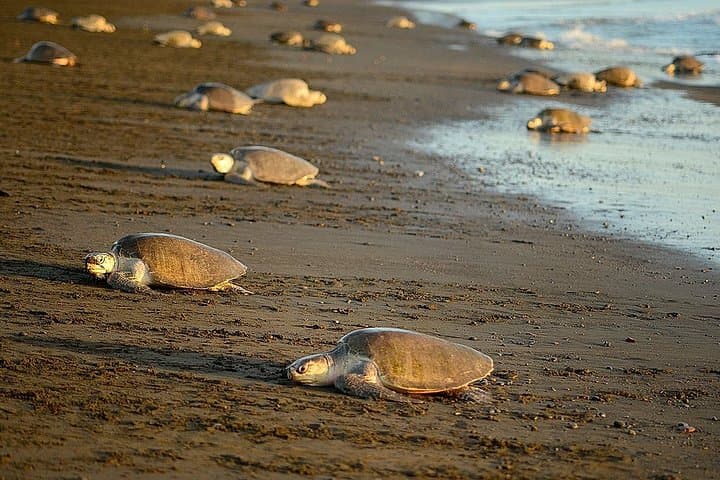
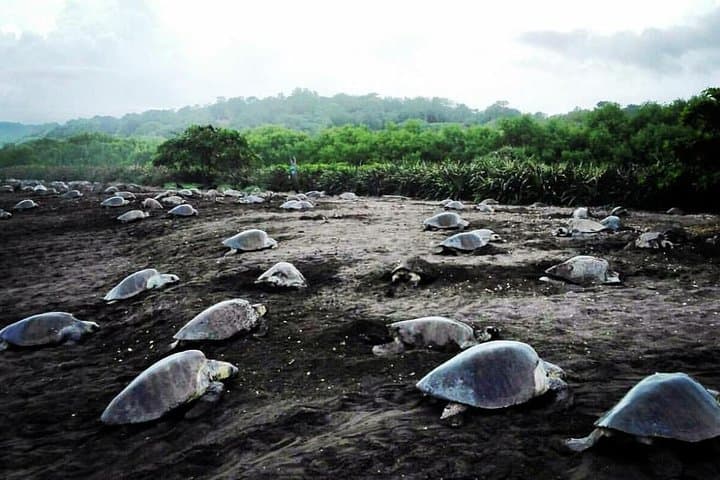
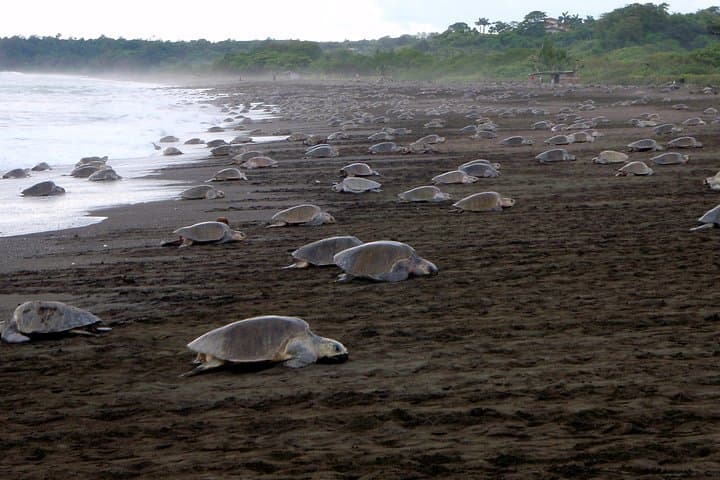
Guanacaste's beaches have supported olive ridley and leatherback nesting for generations. Geologically the Nicoya Peninsula is rugged volcanic rock worn soft by the sea, producing broad, flat beaches that make ideal egg chambers. Locals have long watched the rhythms of the moon here: Ostional is famous for its occasional arribadas, when thousands of turtles come ashore in a single pulse. Guides on this walk bring both science and cultural context, explaining nocturnal behavior, local conservation efforts and the rules that protect hatchlings.
Expect a slow, contemplative walk on firm sand, stopping when a nesting female is found to observe at a respectful distance. The guide will outline no-flash rules, where to stand and how to keep noise low. If conditions align you may see eggs being deposited or the pale scatter of hatchlings sprinting toward the surf.
Practical tips: wear closed shoes for walking on uneven sand, bring water and a light jacket for coastal breezes, and follow all guide instructions—both for your safety and the turtles'. Peak nesting months in this region are late summer to fall, so plan accordingly and book with a licensed guide to ensure a low-impact, educational experience.
moderate.
3–3.5 hours.
Moderate fitness for walking on sand at night; able to stand quietly and walk short distances.
Nesting occurs year-round but peaks for olive ridleys in late summer to fall; September and October are especially active months.
No—bright lights and flash photography are prohibited as they can disorient turtles; guides use approved low-light methods and may provide red filters.
No—wildlife is unpredictable; guides position you at likely sites and you may witness nesting or emergences, especially during peak months or an arribada.
Yes for older children who can follow noise and light rules; infants and very young children may be discouraged to avoid disturbance.
Local fishing communities and conservation groups have monitored these beaches for decades; Ostional’s arribadas are well documented and central to regional conservation policy.
Tours operate under strict no-light, no-touch rules and local groups work to protect nests and reduce poaching; follow guide instructions to minimize impact.
Samara Adventures operates guided outdoor trips and adventures with an emphasis on safety, stewardship, and memorable experiences.
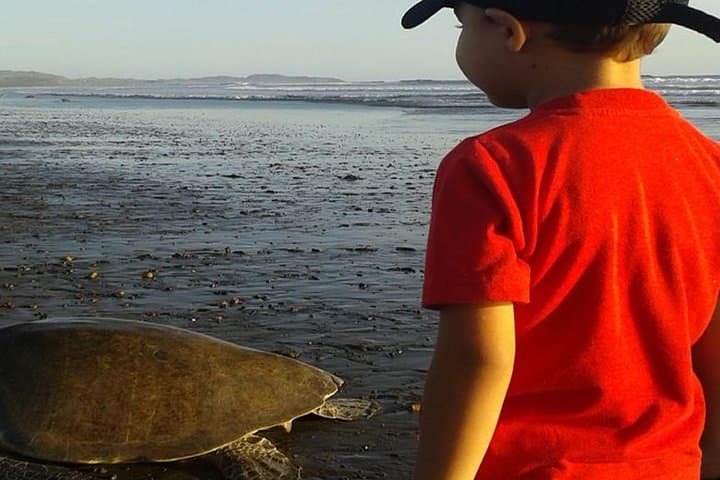
The sand cools underfoot as the Pacific night presses in and a bilingual guide leads you from a darkened parking area toward a low, rolling beach. Headlamps are left off; the ocean breathes and the shoreline feels alive—turtles moving like slow currents of time, the guide's silhouette a small human compass in the dark.
The sand cools underfoot as the Pacific night presses in and a bilingual guide leads you from a darkened parking area toward a low, rolling beach. Headlamps are left off; the ocean breathes and the shoreline feels alive—turtles moving like slow currents of time, the guide's silhouette a small human compass in the dark.
Guanacaste's beaches have supported olive ridley and leatherback nesting for generations. Geologically the Nicoya Peninsula is rugged volcanic rock worn soft by the sea, producing broad, flat beaches that make ideal egg chambers. Locals have long watched the rhythms of the moon here: Ostional is famous for its occasional arribadas, when thousands of turtles come ashore in a single pulse. Guides on this walk bring both science and cultural context, explaining nocturnal behavior, local conservation efforts and the rules that protect hatchlings.
Expect a slow, contemplative walk on firm sand, stopping when a nesting female is found to observe at a respectful distance. The guide will outline no-flash rules, where to stand and how to keep noise low. If conditions align you may see eggs being deposited or the pale scatter of hatchlings sprinting toward the surf.
Practical tips: wear closed shoes for walking on uneven sand, bring water and a light jacket for coastal breezes, and follow all guide instructions—both for your safety and the turtles'. Peak nesting months in this region are late summer to fall, so plan accordingly and book with a licensed guide to ensure a low-impact, educational experience.