THE ADVENTURE COLLECTIVE® · Independent discovery and booking for outdoor travel

Spend a night on Turtle Island off Sandakan to witness sea turtles nesting and hatchlings released under ranger guidance. This 2-day trip blends hands-on conservation education with low-effort island stays and optional Sepilok add-ons.
Spend a night on Turtle Island off Sandakan to witness sea turtles nesting and hatchlings released under ranger guidance. This 2-day trip blends hands-on conservation education with low-effort island stays and optional Sepilok add-ons.
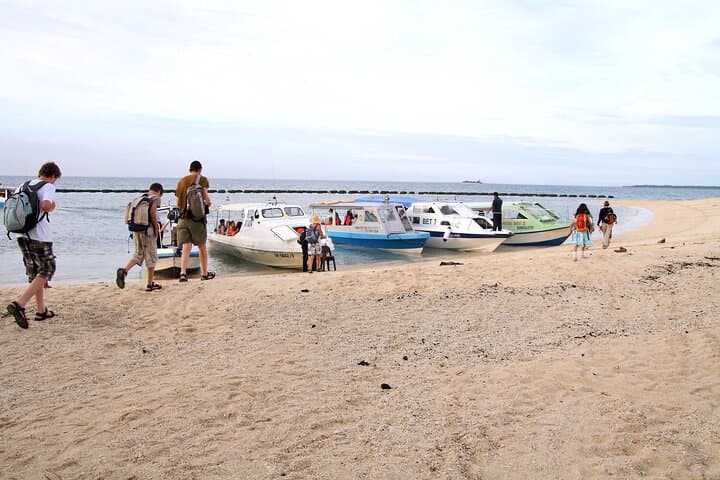
A warm, humid dusk settles over the reef as your boat slips away from Sandakan harbor and the island’s shoreline lights blink like patient eyes. The sand ahead is a waiting place: soft, black-mottled beaches where turtles come ashore under slow, watchful stars. On Turtle Island the main event is patient and unhurried—egg-laying and the fragile exodus of hatchlings toward the surf.
Verified experiences and guided adventures in the surrounding area.
Operated by Wadi Rum Fire Camp · Sandakan, Sabah
A warm, humid dusk settles over the reef as your boat slips away from Sandakan harbor and the island’s shoreline lights blink like patient eyes. The sand ahead is a waiting place: soft, black-mottled beaches where turtles come ashore under slow, watchful stars. On Turtle Island the main event is patient and unhurried—egg-laying and the fragile exodus of hatchlings toward the surf.
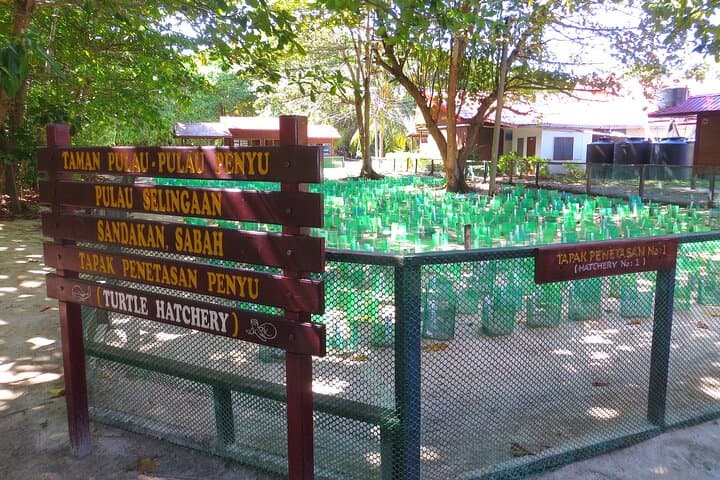
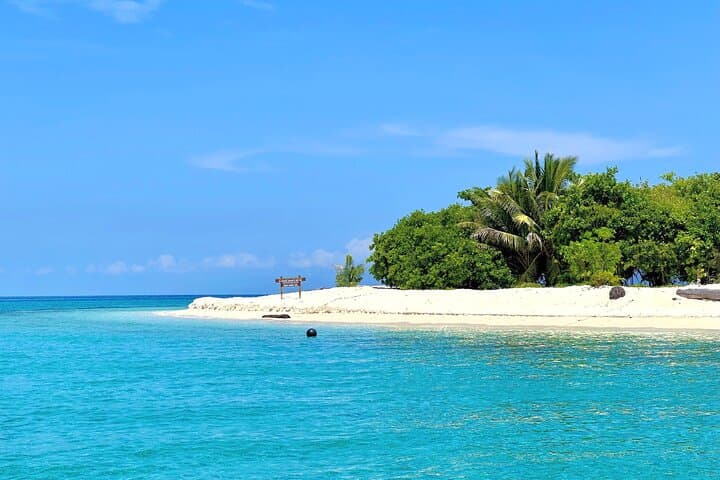
Established as part of the Turtle Islands Park in 1977, the island is both a reserve and a research outpost where park rangers and marine biologists monitor nesting trends, using temperature trials and hatchery data to track sex ratios and survival rates. The geology is simple—coarse sand over coral rubble with shallow reef flats that teem with reef fish and sea birds. Local Bajau and coastal communities have long fished these waters; today tourism fees help fund conservation and community livelihoods.
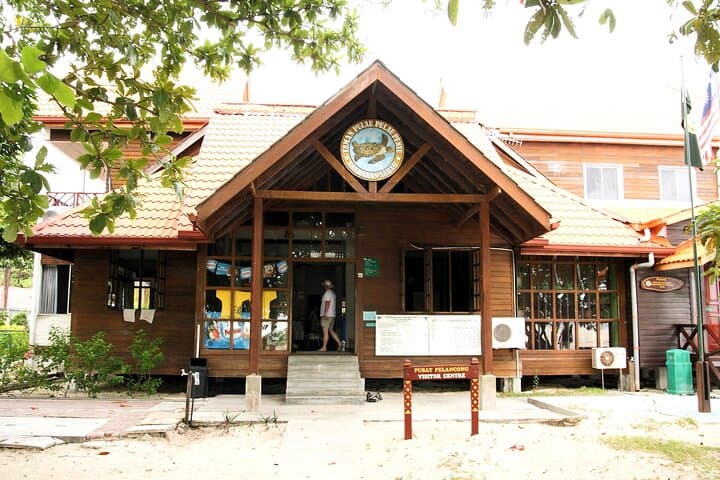
Practically, expect a comfortable wooden chalet with basic AC, communal dining and strict light rules after dark to protect nesting turtles. Evening briefings with rangers explain the protocols: no flash photography, quiet movement, and controlled viewing windows. If sea conditions allow, daytime snorkelling reveals reefs close by; if the ocean is rough, the itinerary may shift.
Bring small-denomination cash for park camera fees and modest on-island purchases. Timing matters—nesting peaks in the dry months—so plan for calmer seas and greater chances to witness hatchlings. This trip rewards patience: minimal exertion, maximal wonder, and a direct connection to species-level conservation.
easy.
2 days (approx. 48 hours).
Suitable for most fitness levels—minimal hiking, mostly standing and short beach walks at night.
No—turtles are wild and nesting is seasonal and weather-dependent, though evenings during the nesting season offer the best chances.
No—flash photography is prohibited after dark and video may be restricted; camera fees may apply and are payable to the park on arrival.
Chalets are basic but private with AC and a bathroom; expect simple island resort standards and shared dining times.
Yes, children can join but must follow quiet, low-light rules and be supervised during night beach visits.
Turtle Islands Park was established in 1977 to protect nesting beaches and create cross-border conservation efforts between Sabah and the Philippines.
Visitor fees are reinvested in patrols, hatcheries and community education; follow leave-no-trace rules and comply with ranger guidance to reduce disturbance.
Wadi Rum Fire Camp operates guided outdoor trips and adventures with an emphasis on safety, stewardship, and memorable experiences.
A warm, humid dusk settles over the reef as your boat slips away from Sandakan harbor and the island’s shoreline lights blink like patient eyes. The sand ahead is a waiting place: soft, black-mottled beaches where turtles come ashore under slow, watchful stars. On Turtle Island the main event is patient and unhurried—egg-laying and the fragile exodus of hatchlings toward the surf.
A warm, humid dusk settles over the reef as your boat slips away from Sandakan harbor and the island’s shoreline lights blink like patient eyes. The sand ahead is a waiting place: soft, black-mottled beaches where turtles come ashore under slow, watchful stars. On Turtle Island the main event is patient and unhurried—egg-laying and the fragile exodus of hatchlings toward the surf.
Established as part of the Turtle Islands Park in 1977, the island is both a reserve and a research outpost where park rangers and marine biologists monitor nesting trends, using temperature trials and hatchery data to track sex ratios and survival rates. The geology is simple—coarse sand over coral rubble with shallow reef flats that teem with reef fish and sea birds. Local Bajau and coastal communities have long fished these waters; today tourism fees help fund conservation and community livelihoods.
Practically, expect a comfortable wooden chalet with basic AC, communal dining and strict light rules after dark to protect nesting turtles. Evening briefings with rangers explain the protocols: no flash photography, quiet movement, and controlled viewing windows. If sea conditions allow, daytime snorkelling reveals reefs close by; if the ocean is rough, the itinerary may shift.
Bring small-denomination cash for park camera fees and modest on-island purchases. Timing matters—nesting peaks in the dry months—so plan for calmer seas and greater chances to witness hatchlings. This trip rewards patience: minimal exertion, maximal wonder, and a direct connection to species-level conservation.