THE ADVENTURE COLLECTIVE® · Independent discovery and booking for outdoor travel

Join a community-run beach release in Ixtapa-Zihuatanejo and watch newly hatched turtles make their first, desperate run to the sea. This guided, low-light conservation activity blends hands-on stewardship with strict rules to protect fragile hatchlings.
Join a community-run beach release in Ixtapa-Zihuatanejo and watch newly hatched turtles make their first, desperate run to the sea. This guided, low-light conservation activity blends hands-on stewardship with strict rules to protect fragile hatchlings.
The air is warm and the surf murmurs as you step off the sand into a black sky threaded with stars. Headlamps dimmed by request, a small group moves in silence behind a local conservation team—feet sinking into cool, damp sand as the ocean breathes just beyond the dune. Somewhere nearby, a nest has opened; a scatter of tiny, flapping shells begins a frantic dash toward the sound of waves.
Verified experiences and guided adventures in the surrounding area.
Operated by Zihua Ixtapa Transportation · Zihuatanejo, Guerrero
The air is warm and the surf murmurs as you step off the sand into a black sky threaded with stars. Headlamps dimmed by request, a small group moves in silence behind a local conservation team—feet sinking into cool, damp sand as the ocean breathes just beyond the dune. Somewhere nearby, a nest has opened; a scatter of tiny, flapping shells begins a frantic dash toward the sound of waves.
Guerrero’s Pacific coast is a long, curving shoreline formed by volcanic uplift and coastal erosion, where beaches offer seasonal nesting habitat for olive ridley and other sea turtles. Conservation groups here emerged in the late 20th century to counter egg poaching and coastal development, and community-run sanctuaries now incubate nests until hatchlings are ready for release.
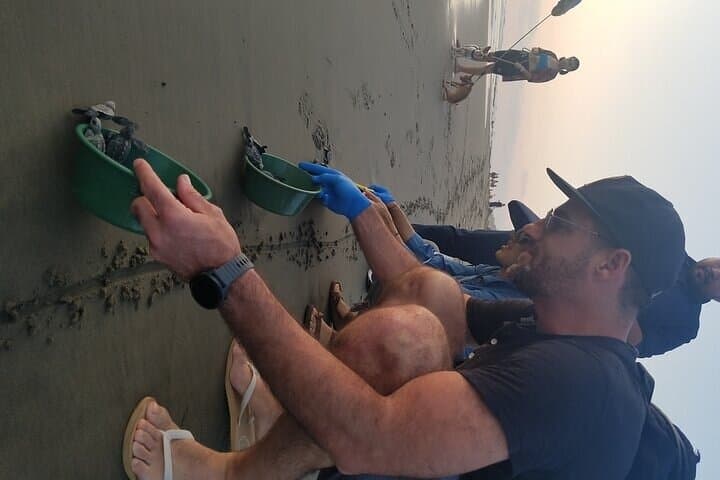
On this nocturnal activity you’ll attend a briefing, handle a hatchling briefly under guidance, and release it at the high-tide line. Expect soft sand, low light, and a guided, low-impact experience—no flash photos, quiet voices, and strict handling rules. Bring a red-filter headlamp, closed-toe shoes, and water; nights can be humid and walking on uneven sand is steady work.
Practical notes: pickups are often provided, tours run after dusk when hatchlings emerge, and timing depends on nature’s schedule—arrivals are never guaranteed. Follow the guides’ instructions closely to minimize disturbance: your restraint helps these small animals find the sea and keeps the program sustainable for future hatchlings.
easy.
2–3 hours.
Basic mobility and ability to walk on soft, uneven sand for up to an hour at a stretch.
Peak hatchling activity typically occurs in the warmer months (summer–fall), but exact timing varies each year—confirm dates with the operator.
Yes, but only under guide supervision and for a very brief period; excessive handling stresses the animals and is not permitted.
Many programs offer accessible paths and transport options, but beach access at night can be uneven—check with the operator about specific accessibility needs.
Releases are scheduled around tide and weather; operators may reschedule or relocate releases to protect hatchlings and participants.
Local conservation efforts grew in response to egg poaching and coastal development; community-run hatcheries now incubate nests to boost survival rates.
Tours work with sanctuaries that emphasize minimal interference—no flash photography, limited handling, and proceeds often support local protection programs.
Zihua Ixtapa Transportation operates guided outdoor trips and adventures with an emphasis on safety, stewardship, and memorable experiences.
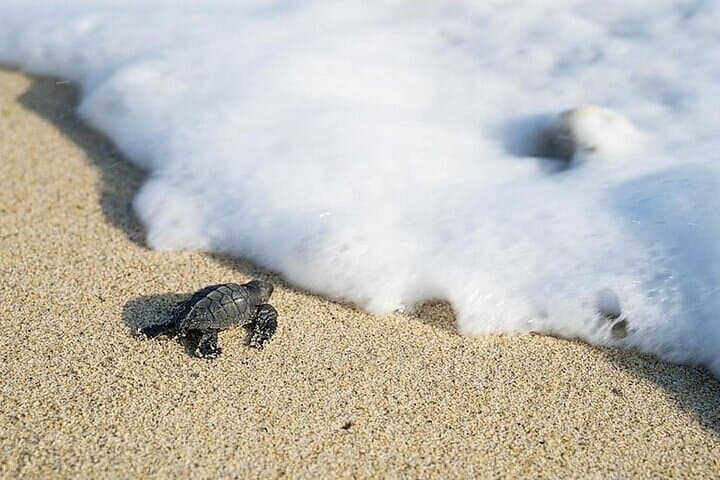

The air is warm and the surf murmurs as you step off the sand into a black sky threaded with stars. Headlamps dimmed by request, a small group moves in silence behind a local conservation team—feet sinking into cool, damp sand as the ocean breathes just beyond the dune. Somewhere nearby, a nest has opened; a scatter of tiny, flapping shells begins a frantic dash toward the sound of waves.
The air is warm and the surf murmurs as you step off the sand into a black sky threaded with stars. Headlamps dimmed by request, a small group moves in silence behind a local conservation team—feet sinking into cool, damp sand as the ocean breathes just beyond the dune. Somewhere nearby, a nest has opened; a scatter of tiny, flapping shells begins a frantic dash toward the sound of waves.
Guerrero’s Pacific coast is a long, curving shoreline formed by volcanic uplift and coastal erosion, where beaches offer seasonal nesting habitat for olive ridley and other sea turtles. Conservation groups here emerged in the late 20th century to counter egg poaching and coastal development, and community-run sanctuaries now incubate nests until hatchlings are ready for release.
On this nocturnal activity you’ll attend a briefing, handle a hatchling briefly under guidance, and release it at the high-tide line. Expect soft sand, low light, and a guided, low-impact experience—no flash photos, quiet voices, and strict handling rules. Bring a red-filter headlamp, closed-toe shoes, and water; nights can be humid and walking on uneven sand is steady work.
Practical notes: pickups are often provided, tours run after dusk when hatchlings emerge, and timing depends on nature’s schedule—arrivals are never guaranteed. Follow the guides’ instructions closely to minimize disturbance: your restraint helps these small animals find the sea and keeps the program sustainable for future hatchlings.