THE ADVENTURE COLLECTIVE® · Independent discovery and booking for outdoor travel

Explore Albuquerque’s Turquoise Castle and a world-class turquoise collection—learn geology, tribal jewelry traditions, and ethical sourcing while viewing rare specimens. A compact, accessible museum visit for culture and rock enthusiasts.
Explore Albuquerque’s Turquoise Castle and a world-class turquoise collection—learn geology, tribal jewelry traditions, and ethical sourcing while viewing rare specimens. A compact, accessible museum visit for culture and rock enthusiasts.
You step through a painted arch and the light changes—cases of blue-green stone catch it and the room cools with a mineral hush. The Turquoise Castle in Albuquerque presents turquoise not as ornament but as landscape: veins of copper and desert weather made visible, each piece a condensed story of place and time.
Verified experiences and guided adventures in the surrounding area.
Operated by The Turquoise Museum · Albuquerque, New Mexico
You step through a painted arch and the light changes—cases of blue-green stone catch it and the room cools with a mineral hush. The Turquoise Castle in Albuquerque presents turquoise not as ornament but as landscape: veins of copper and desert weather made visible, each piece a condensed story of place and time.
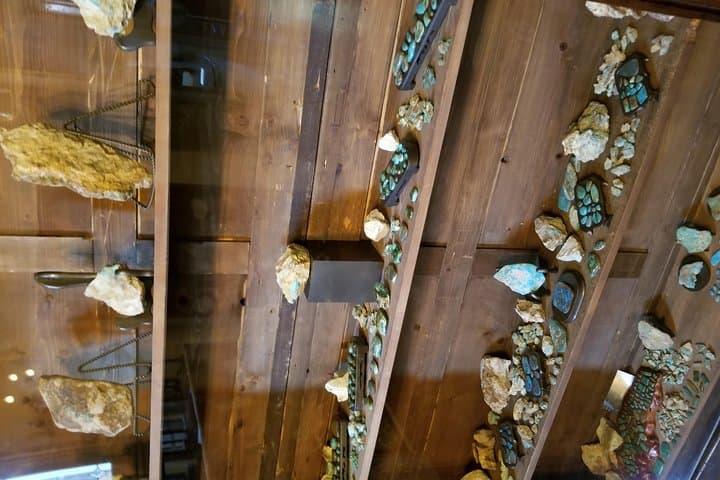
Geology here is tactile. Turquoise forms where copper-bearing groundwater alters volcanic and sedimentary rocks, and the Southwest’s arid climate and copper-rich deposits created some of the world’s most collectable specimens. Culturally, turquoise threads through the histories of Pueblo, Navajo and Zuni people as trade good, spiritual emblem and jewelry medium; the museum’s displays place that craft in context—raw matrix, finished cabochon, and the tools and motifs that shaped them.
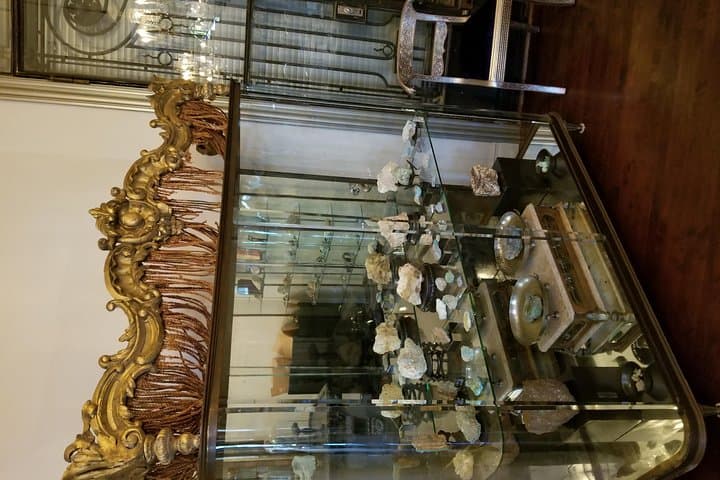
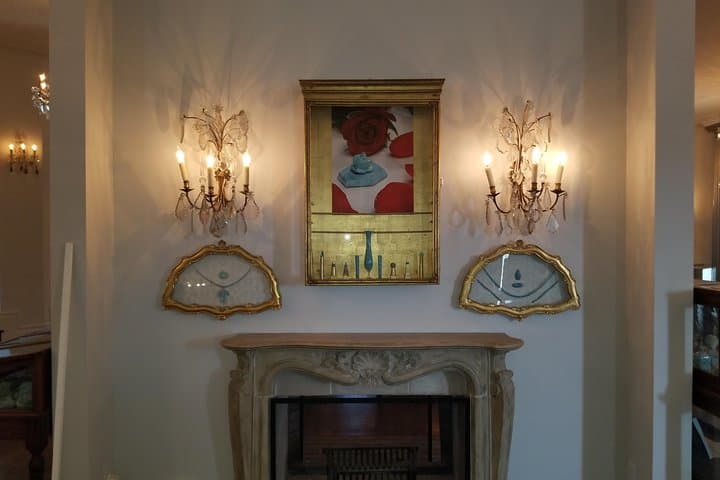
Visitors move from grand halls into focused cabinets where rare cabochons and historic inlays are shown with provenance notes. Video stations and guided audio illuminate mining, lapidary methods and collecting ethics; staff and labels also discuss modern sourcing and conservation challenges.
Practical guidance: allow 1–2 hours for a focused visit, more if you intend to study pieces or shop. Bring headphones and a charged phone for multimedia content. Photography policies vary—ask at the desk. The site is wheelchair accessible and centrally located for an Old Town stroll afterward. Respect display rules and avoid touching; turquoise is soft and sensitive to oils.
For travelers who like geology, jewelry history or Southwestern culture, the Turquoise Museum is an instructive, low-effort way to connect color, craft and landscape.
easy.
1–4 hours.
Suitable for all fitness levels; mostly standing and slow walking indoors.
The tour offers instant confirmation—tickets are mobile-friendly, but check availability during peak tourist seasons.
Plan 1–2 hours for a standard visit; 3–4 hours if you want in-depth study or shopping time.
Yes—the Turquoise Castle and museum report wheelchair and stroller access; contact the museum for specific accommodation requests.
Photography policies can vary by exhibit; ask at the front desk before photographing fragile or protected pieces.
Turquoise has been mined and crafted in the Southwest for centuries; Pueblo, Navajo and Zuni artisans developed distinct inlay and silverwork traditions that shaped regional styles.
The museum emphasizes ethical sourcing and conservation—displayed pieces are protected and handled to minimize oils and light exposure, and staff discuss modern supply-chain impacts.
The Turquoise Museum operates guided outdoor trips and adventures with an emphasis on safety, stewardship, and memorable experiences.
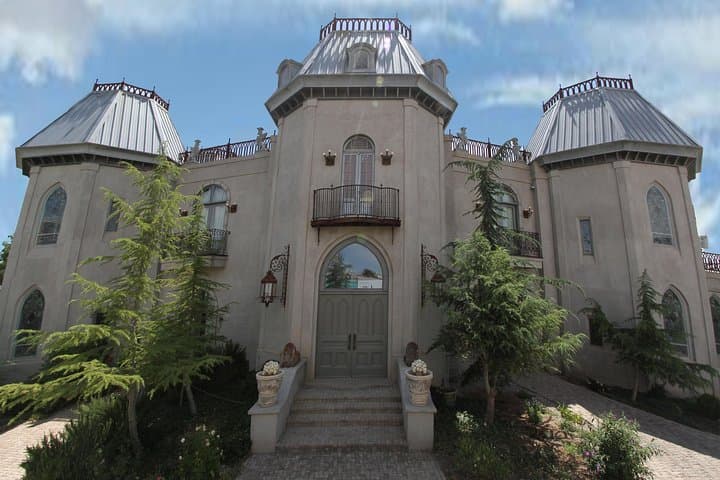
You step through a painted arch and the light changes—cases of blue-green stone catch it and the room cools with a mineral hush. The Turquoise Castle in Albuquerque presents turquoise not as ornament but as landscape: veins of copper and desert weather made visible, each piece a condensed story of place and time.
You step through a painted arch and the light changes—cases of blue-green stone catch it and the room cools with a mineral hush. The Turquoise Castle in Albuquerque presents turquoise not as ornament but as landscape: veins of copper and desert weather made visible, each piece a condensed story of place and time.
Geology here is tactile. Turquoise forms where copper-bearing groundwater alters volcanic and sedimentary rocks, and the Southwest’s arid climate and copper-rich deposits created some of the world’s most collectable specimens. Culturally, turquoise threads through the histories of Pueblo, Navajo and Zuni people as trade good, spiritual emblem and jewelry medium; the museum’s displays place that craft in context—raw matrix, finished cabochon, and the tools and motifs that shaped them.
Visitors move from grand halls into focused cabinets where rare cabochons and historic inlays are shown with provenance notes. Video stations and guided audio illuminate mining, lapidary methods and collecting ethics; staff and labels also discuss modern sourcing and conservation challenges.
Practical guidance: allow 1–2 hours for a focused visit, more if you intend to study pieces or shop. Bring headphones and a charged phone for multimedia content. Photography policies vary—ask at the desk. The site is wheelchair accessible and centrally located for an Old Town stroll afterward. Respect display rules and avoid touching; turquoise is soft and sensitive to oils.
For travelers who like geology, jewelry history or Southwestern culture, the Turquoise Museum is an instructive, low-effort way to connect color, craft and landscape.