THE ADVENTURE COLLECTIVE® · Independent discovery and booking for outdoor travel

A full-day private drive from Urumqi into the Turpan Depression visiting Bezklik grottoes, Gaochang ruins, Emin Minaret and the ancient karez irrigation system. Expect long drives, desert heat and rich Silk Road history on this immersive cultural landscape tour.
A full-day private drive from Urumqi into the Turpan Depression visiting Bezklik grottoes, Gaochang ruins, Emin Minaret and the ancient karez irrigation system. Expect long drives, desert heat and rich Silk Road history on this immersive cultural landscape tour.
You step into the van in Urumqi as the city thins and the Tianshan ridges push back the horizon. The road hums for three hours past wind farms and salt flats, then opens into the low, baked sweep of the Turpan Depression — a basin that sits roughly 150 meters below sea level where heat and history press close.
Verified experiences and guided adventures in the surrounding area.
Operated by SilkRoadTrips · Turpan, Xinjiang
You step into the van in Urumqi as the city thins and the Tianshan ridges push back the horizon. The road hums for three hours past wind farms and salt flats, then opens into the low, baked sweep of the Turpan Depression — a basin that sits roughly 150 meters below sea level where heat and history press close.
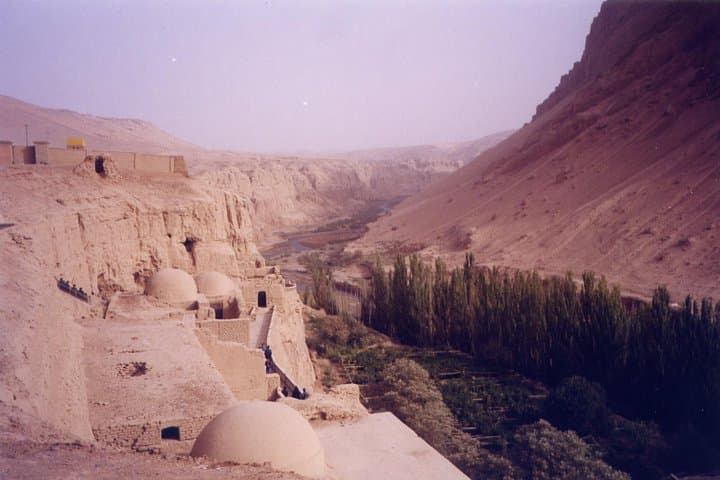
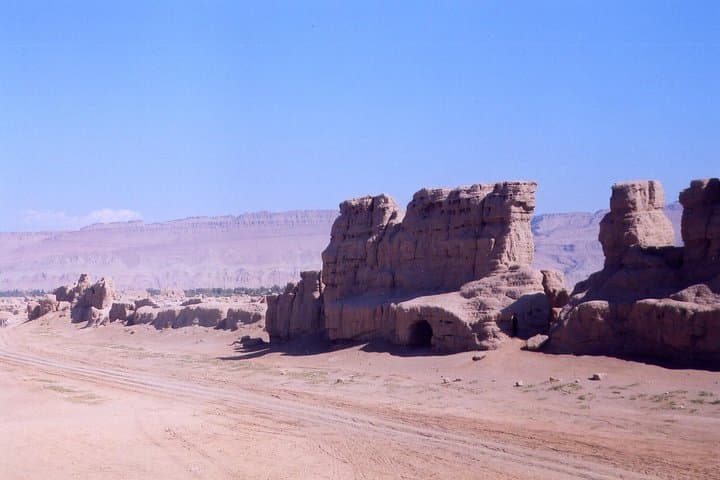
Begin at Bezklik’s thousand-year ruins: faded frescoes and broken Buddhas that still suggest the site’s role on the Silk Road. The ruined walls of Gaochang come next — a spread of mud-brick streets, temple platforms and stupas where caravan traffic once threaded between empires. At the Emin Minaret you’ll see late-18th-century Uyghur brickwork and patterned reliefs; nearby, the karez irrigation tunnels reveal an ingenious solution to desert farming, channeling mountain meltwater under the sun-baked surface.
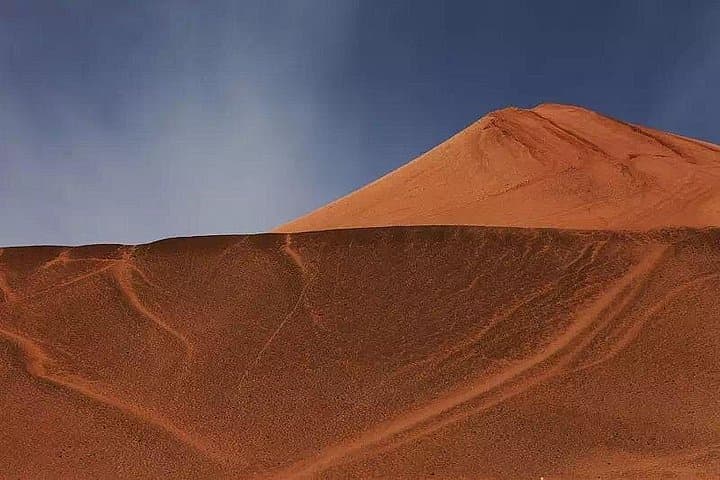
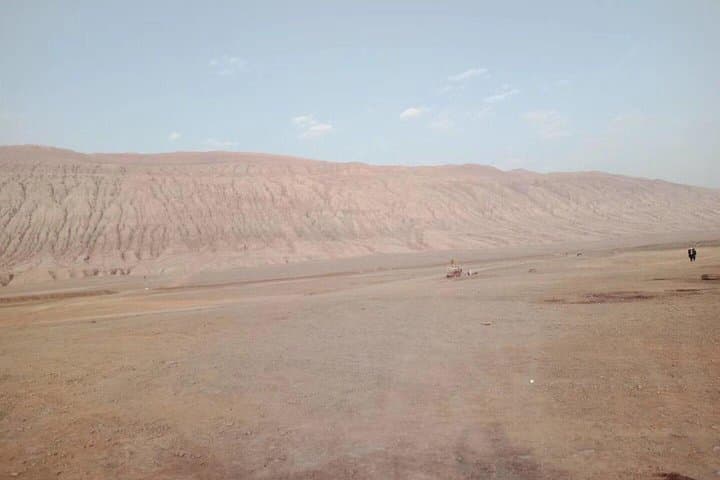
Geology here is blunt and revealing: salt pans, basalt outcrops, and the encircling Tianshan that feed seasonal melt. Culturally, Turpan is Uyghur country — language, food and mosque silhouettes mark the landscape.
Practical side: this is a long day (roughly 12–13 hours including driving). Expect short, uneven walks between ruins and paved courtyard areas at monuments. Bring water, sun protection and comfortable shoes; the karez visit involves stairs and narrow passages. Midday heat can be intense in summer, so schedule photographs for morning and late afternoon. Your guide handles admissions and logistics, but wear layers for wind and cool evening returns to Urumqi. The trip pairs history with terrain — dry, dramatic, and quietly engineered — a day that trades elevation for deep cultural perspective.
easy.
12–13 hours.
Suitable for most travelers who can handle several short walks and a long day in a vehicle; no strenuous climbing required.
The tour runs about 12–13 hours total with roughly 3 hours each way driving between Urumqi and Turpan; site visits occupy the remainder of the day.
Yes — entrance fees to the highlighted sites and a local lunch are included as part of the private tour package.
Children can join but infants must sit on laps; sites have uneven ground and steps, so limited mobility may restrict access to some areas like the karez tunnels or higher viewpoints.
Spring (April–June) and fall (September–October) offer milder temperatures and clearer skies, while summer can be very hot and winter cold at night.
Turpan was a major Silk Road hub and a melting point of Uyghur, Persian and Han influences; its towns and irrigation systems record centuries of caravan trade and agricultural ingenuity.
Water management is critical—karez systems are fragile and rely on maintenance; visitors should avoid littering and respect restricted areas to protect archaeological and hydrological features.
SilkRoadTrips operates guided outdoor trips and adventures with an emphasis on safety, stewardship, and memorable experiences.
You step into the van in Urumqi as the city thins and the Tianshan ridges push back the horizon. The road hums for three hours past wind farms and salt flats, then opens into the low, baked sweep of the Turpan Depression — a basin that sits roughly 150 meters below sea level where heat and history press close.
You step into the van in Urumqi as the city thins and the Tianshan ridges push back the horizon. The road hums for three hours past wind farms and salt flats, then opens into the low, baked sweep of the Turpan Depression — a basin that sits roughly 150 meters below sea level where heat and history press close.
Begin at Bezklik’s thousand-year ruins: faded frescoes and broken Buddhas that still suggest the site’s role on the Silk Road. The ruined walls of Gaochang come next — a spread of mud-brick streets, temple platforms and stupas where caravan traffic once threaded between empires. At the Emin Minaret you’ll see late-18th-century Uyghur brickwork and patterned reliefs; nearby, the karez irrigation tunnels reveal an ingenious solution to desert farming, channeling mountain meltwater under the sun-baked surface.
Geology here is blunt and revealing: salt pans, basalt outcrops, and the encircling Tianshan that feed seasonal melt. Culturally, Turpan is Uyghur country — language, food and mosque silhouettes mark the landscape.
Practical side: this is a long day (roughly 12–13 hours including driving). Expect short, uneven walks between ruins and paved courtyard areas at monuments. Bring water, sun protection and comfortable shoes; the karez visit involves stairs and narrow passages. Midday heat can be intense in summer, so schedule photographs for morning and late afternoon. Your guide handles admissions and logistics, but wear layers for wind and cool evening returns to Urumqi. The trip pairs history with terrain — dry, dramatic, and quietly engineered — a day that trades elevation for deep cultural perspective.